ChatGPT Share Link Can Run Code in Logged-In Sessions
The 30-Second Skim
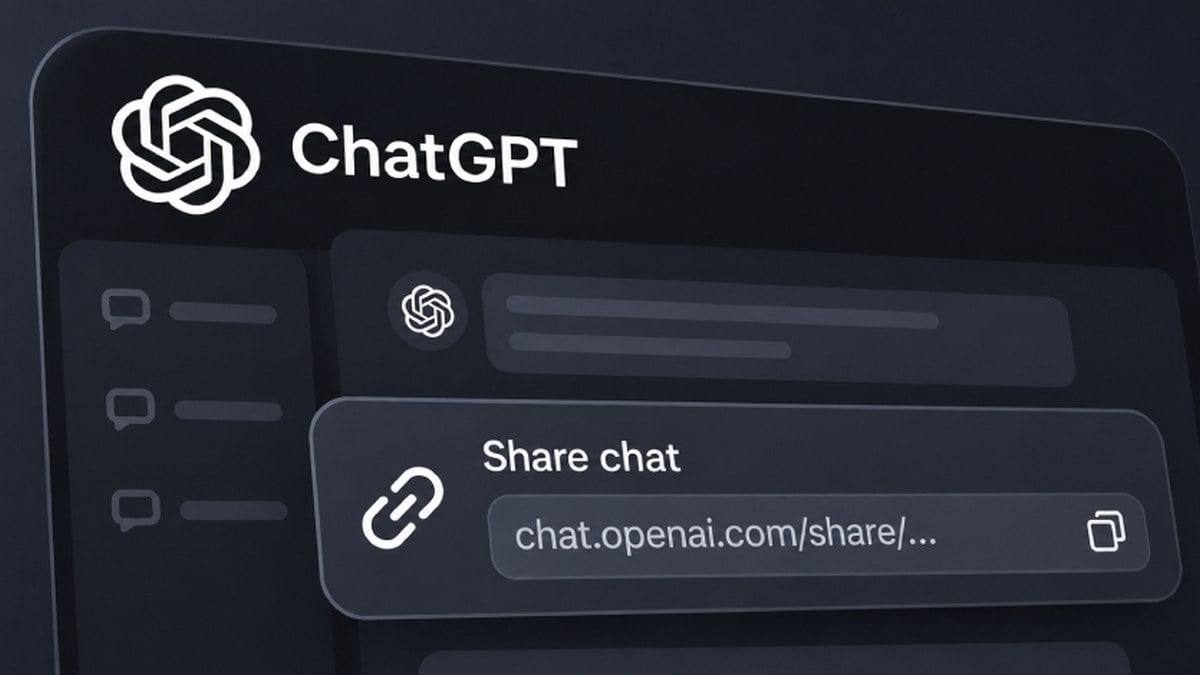
- What happened: Researchers at security firm Parameter demonstrated that a malicious ChatGPT share link could execute attacker code inside a recipient’s logged-in session, giving the attacker access to the recipient’s private conversations.
- Key facts & numbers: Parameter researchers showed that a malicious ChatGPT share link could run an attacker’s code. The logged-in session of anyone who opened the link was exposed to the attacker’s code. The flaw allowed the attacker to read the private conversations belonging to the person whose session ran the code.
- What happens next: The buried detail: Parameter reported the flaw through OpenAI’s bug bounty on October 18—a concrete disclosure trail that the headline leaves out.
- Parameter researchers showed that a malicious ChatGPT share link could run an attacker’s code.
- The logged-in session of anyone who opened the link was exposed to the attacker’s code.
- The flaw allowed the attacker to read the private conversations belonging to the person whose session ran the code.
- OpenAI received the flaw report through its bug bounty program on October 18.
Why It Matters
ChatGPT users who open shared links stand to lose private-conversation confidentiality because attacker code can enter their logged-in sessions, while attackers gain access to those chats. The disclosure reached OpenAI through its bug bounty program on October 18, tying a named reporting date to the session-level execution and private-data exposure.
Sources Cited
Related Coverage
Ask SkimNews