CISA Slashes Critical Bug Patch Deadline to 3 Days
The 30-Second Skim
- What happened: CISA issued a binding directive compressing the federal civilian patch deadline for the most critical software vulnerabilities from 15 days to just 3, driven by AI's acceleration of vulnerability discovery and exploitation.
- Key facts & numbers: CISA released a new binding operational directive requiring federal civilian agencies to patch the most critical software vulnerabilities within three days, down from the 15-day deadline set in 2019 and 2021 directives. The directive's urgency rubric uses four criteria — public exposure, listing in CISA's Known Exploited Vulnerabilities Catalog, whether exploitation can be fully automated, and the access level an attacker would gain — and a bug meeting all four triggers the three-day turnaround plus a mandatory forensic triage for compromise. Chris Butera, CISA's acting executive assistant director for cybersecurity, said AI now lets threat actors 'find and exploit vulnerabilities' in federal assets far faster, adding that 'defenders cannot afford to take weeks to patch systems that can be autonomously exploited en masse.'
- What happens next: The 3-day mandate is aggressive, but the real story is the expert pull-quote: patching faster on a broken architecture is just a faster treadmill.
- CISA released a new binding operational directive requiring federal civilian agencies to patch the most critical software vulnerabilities within three days, down from the 15-day deadline set in 2019 and 2021 directives.
- The directive's urgency rubric uses four criteria — public exposure, listing in CISA's Known Exploited Vulnerabilities Catalog, whether exploitation can be fully automated, and the access level an attacker would gain — and a bug meeting all four triggers the three-day turnaround plus a mandatory forensic triage for compromise.
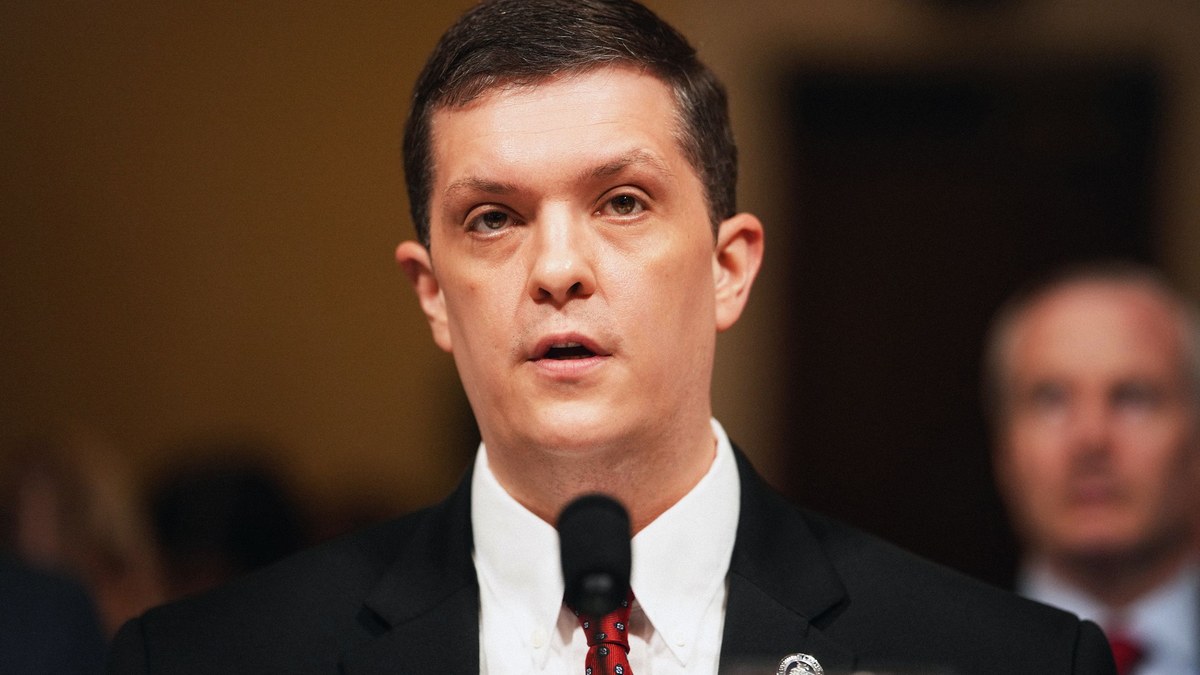
- Chris Butera, CISA's acting executive assistant director for cybersecurity, said AI now lets threat actors 'find and exploit vulnerabilities' in federal assets far faster, adding that 'defenders cannot afford to take weeks to patch systems that can be autonomously exploited en masse.'
- Butera defended the three-day floor over a 24-hour mandate, noting federal cybersecurity still 'lags' due to funding shortfalls and competing priorities that would make shorter deadlines infeasible for most agencies.
Why It Matters
Federal civilian agencies now face a fivefold compression of their critical-patch window — from 15 days to 3 — which forces security teams to triage and remediate against the same four-factor urgency rubric, with non-compliance effectively mandated through a binding operational directive. The shift acknowledges that AI-assisted vulnerability discovery and automated exploitation are shrinking the defender's window faster than staffing and budgets can scale to match.
Sources Cited
Related Coverage
Ask SkimNews