ShadowPrompt: Zero-Click XSS Flaw Hit Claude Extension
The 30-Second Skim
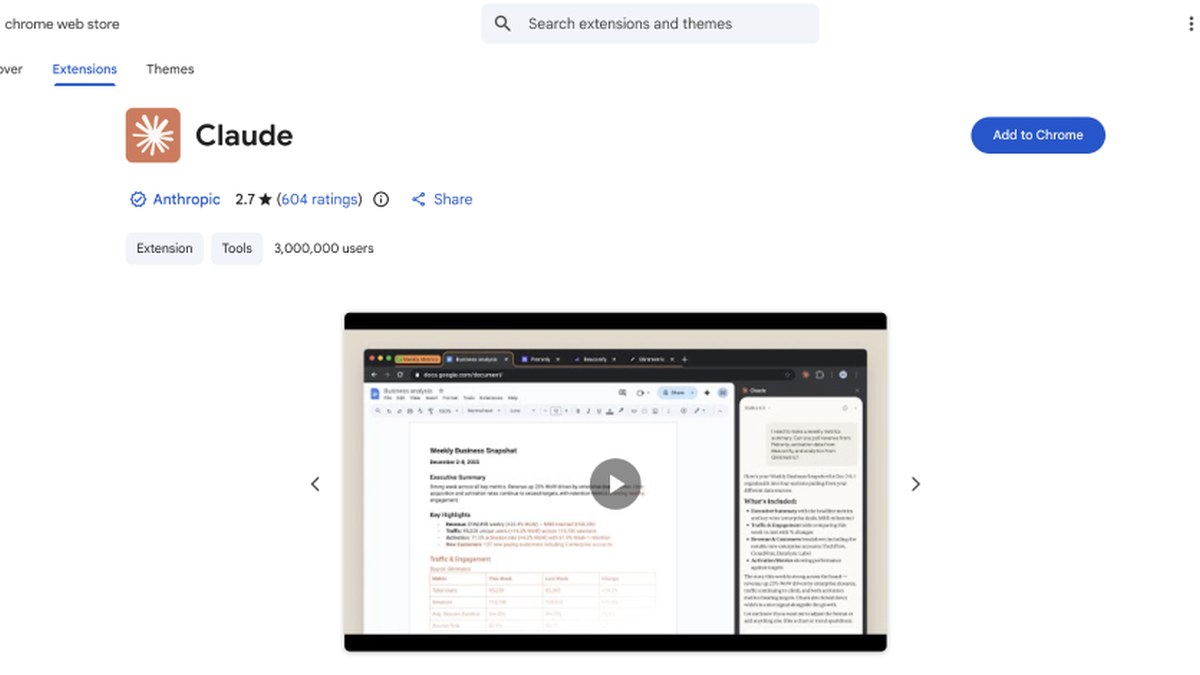
- What happened: Koi Security disclosed a zero-click vulnerability in Anthropic's Claude Chrome Extension that let any visited website silently inject prompts into the assistant and potentially steal tokens, conversation history, or impersonate users.
- Key facts & numbers: Koi Security disclosed a vulnerability codenamed ShadowPrompt in Anthropic's Claude Google Chrome Extension that let any website silently inject prompts simply by being visited — no clicks, no permission prompts. Oren Yomtov of Koi Security explained the flaw chained an overly permissive origin allowlist (
*.claude.ai) with a DOM-based XSS vulnerability in an Arkose Labs CAPTCHA component hosted ona-cdn.claude[.]ai. The attack embeds the vulnerable Arkose component in a hidden iframe, sends an XSS payload via postMessage, and the injected script fires a prompt to the Claude extension — Yomtov noted the victim sees nothing. - What happens next: The angle most coverage misses: the XSS actually lived in Arkose Labs' CAPTCHA, not Anthropic's own code. It was a two-vendor trust-boundary failure.
- Koi Security disclosed a vulnerability codenamed ShadowPrompt in Anthropic's Claude Google Chrome Extension that let any website silently inject prompts simply by being visited — no clicks, no permission prompts.
- Oren Yomtov of Koi Security explained the flaw chained an overly permissive origin allowlist (
*.claude.ai) with a DOM-based XSS vulnerability in an Arkose Labs CAPTCHA component hosted ona-cdn.claude[.]ai. - The attack embeds the vulnerable Arkose component in a hidden iframe, sends an XSS payload via postMessage, and the injected script fires a prompt to the Claude extension — Yomtov noted the victim sees nothing.
- Successful exploitation could let attackers steal access tokens, access conversation history with the AI agent, send emails impersonating the victim, and request confidential data.
Why It Matters
This was a two-vendor trust-boundary failure: Anthropic's subdomain allowlist trusted any *.claude.ai origin, and an Arkose Labs CAPTCHA component on that subdomain introduced the XSS. Chaining them turned the Claude extension into an autonomous attack surface capable of stealing tokens and impersonating users in conversations until Anthropic shipped v1.0.41 in late 2025 and Arkose closed its side in February 2026.
Sources Cited
Related Coverage
- Anthropic’s Claude Code source leaked via npm map fileThe Hacker News
- Anthropic Model Chained Flaws Into Working ExploitsThe Hacker News
- SharedRoot Flaw Let Claude Cowork Escape Mac SandboxThe Hacker News
- Official Claude Code Extension on Cursor Marketplace Trojanized with Persistent SSH BackdoorThe Hacker News
Ask SkimNews