CPUID Site Hacked to Push STX RAT via Fake CPU-Z, HWMonitor
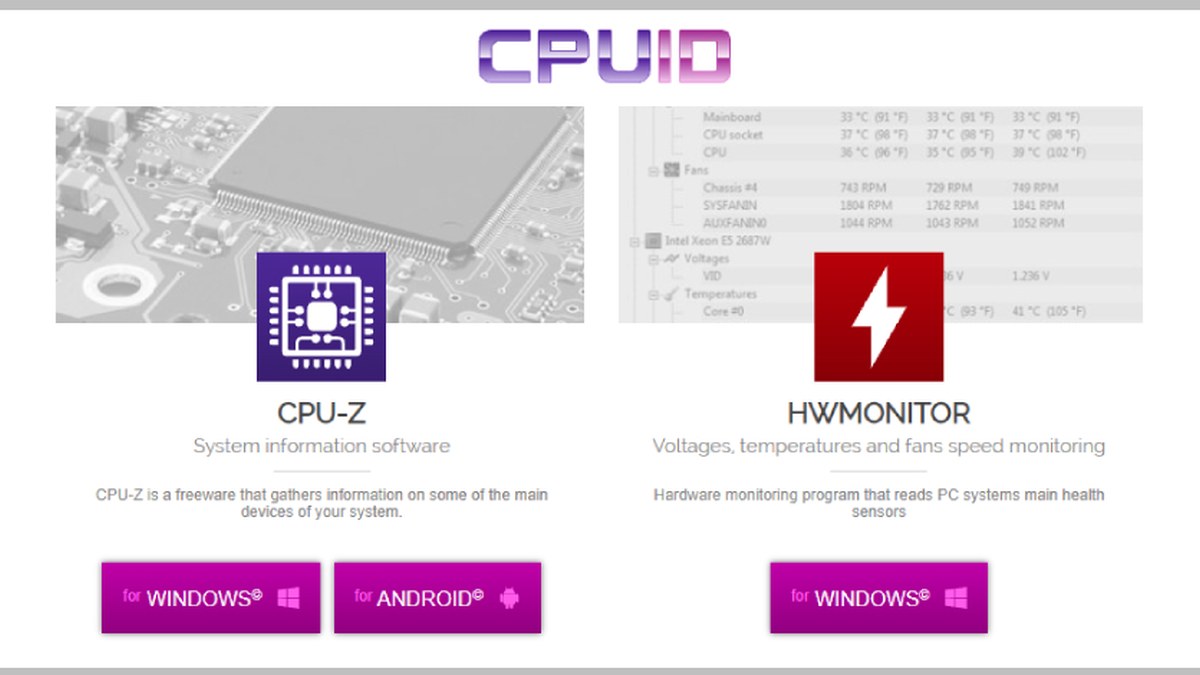
The 30-Second Skim
- What happened: Hackers compromised CPUID's website for under 24 hours, swapping download links for CPU-Z, HWMonitor, and related tools with trojanized versions that deployed STX RAT malware onto at least 150 victims across Brazil, Russia, China, and beyond.
- Key facts & numbers: CPUID confirmed attackers compromised cpuid[.]com from ~April 9, 15:00 UTC to ~April 10, 10:00 UTC — under 24 hours — by exploiting a "secondary feature (basically a side API)" to randomly display malicious download links for CPU-Z, HWMonitor, HWMonitor Pro, and PerfMonitor. STX RAT was the end payload, a remote access trojan with HVNC and broad infostealer capabilities that Kaspersky said was delivered via trojanized ZIP archives and standalone installers pairing legitimate signed executables with a malicious 'CRYPTBASE.dll' using DLL side-loading. Kaspersky identified more than 150 victims — mostly individuals, plus organizations in retail, manufacturing, consulting, telecommunications, and agriculture — with infections concentrated in Brazil, Russia, and China.
- What happens next: The attackers' undoing was their own laziness — they reused the same C2 from a FileZilla campaign Malwarebytes caught last month.
- CPUID confirmed attackers compromised cpuid[.]com from ~April 9, 15:00 UTC to ~April 10, 10:00 UTC — under 24 hours — by exploiting a "secondary feature (basically a side API)" to randomly display malicious download links for CPU-Z, HWMonitor, HWMonitor Pro, and PerfMonitor.
- STX RAT was the end payload, a remote access trojan with HVNC and broad infostealer capabilities that Kaspersky said was delivered via trojanized ZIP archives and standalone installers pairing legitimate signed executables with a malicious 'CRYPTBASE.dll' using DLL side-loading.
- Kaspersky identified more than 150 victims — mostly individuals, plus organizations in retail, manufacturing, consulting, telecommunications, and agriculture — with infections concentrated in Brazil, Russia, and China.
- Breakglass Intelligence tied the breach to a 10-month campaign dating to July 2025 (earliest sample "superbad.exe" hitting C2 95.216.51[.]236) and assessed the operator is a Russian-speaking threat actor, either financially motivated or working as an initial access broker.
Why It Matters
CPUID tools are downloaded by millions for routine hardware diagnostics, so a single compromised page turned trusted software into a remote-access trojan with credential-stealing and HVNC capabilities. The 10-month, 150+ victim footprint shows deliberate infrastructure-building — and the attackers' own C2 reuse from a prior FileZilla campaign is what exposed them, per Kaspersky.
Sources Cited
Related Coverage
- Hackers Hijack HBO Max’s Reddit Account to Spread Crypto-Stealing MalwareDecrypt
- Beware! This "Windows 11 24H2" update download can quietly steal your sensitive data - NeowinGoogle News Technology
- GlassWorm Uses Zig Dropper in Fake WakaTime ExtensionThe Hacker News
- Axios npm package compromised in supply chain attackTechMeme
Ask SkimNews