Databricks, Infosys urge unified data stack for AI
The 30-Second Skim
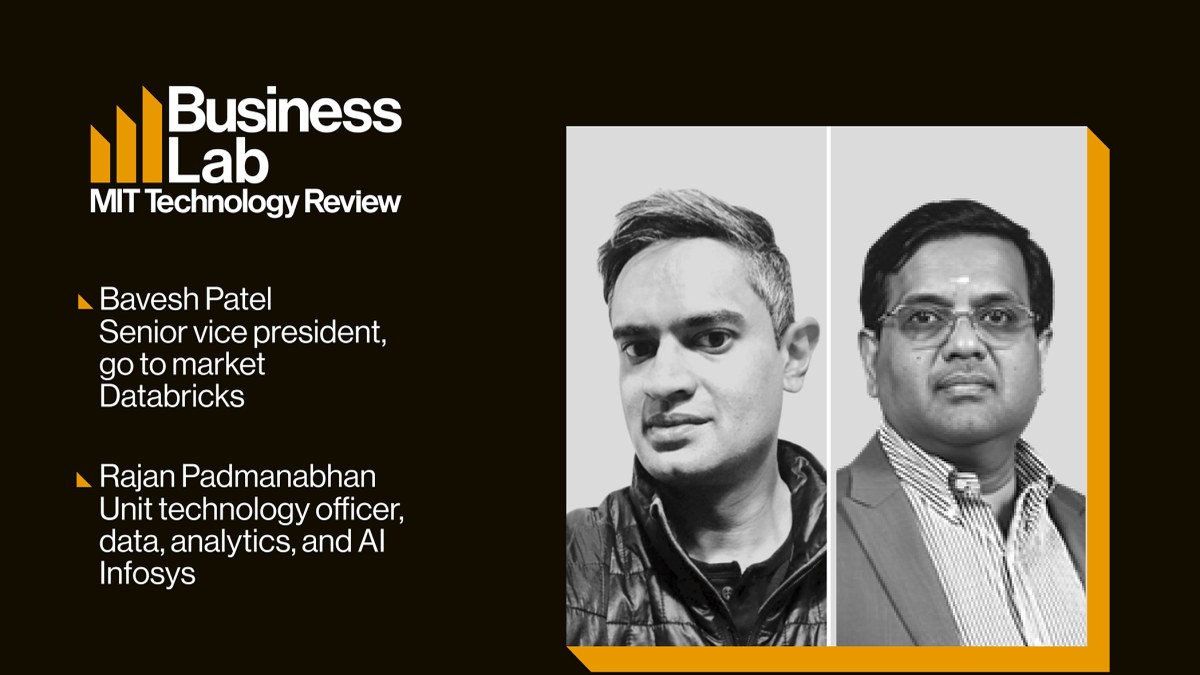
- What happened: Enterprise AI can only deliver high‑accuracy results when data is unified, governed, and accessible. Databricks’ Bavesh Patel and Infosys’ Rajan Padmanabhan argue that fragmented legacy silos produce unreliable AI, urging a shift to open, real‑time data architectures that tie AI outcomes to business metrics.
- Key facts & numbers: Databricks senior VP Bavesh Patel warns that fragmented legacy systems produce 'terrible AI' and calls for unified, open data architecture. Infosys unit technology officer Rajan Padmanabhan says AI projects must be tied to measurable business metrics and governed to discard underperforming initiatives quickly. Infosys Topaz is highlighted as a partner in the push for unified data governance, emphasizing open formats and real‑time context for AI workloads.
- What happens next: Databricks and Infosys are basically saying your AI hype is useless until you clean up your data mess—time to finally retire those legacy silos.
- Databricks senior VP Bavesh Patel warns that fragmented legacy systems produce 'terrible AI' and calls for unified, open data architecture.
- Infosys unit technology officer Rajan Padmanabhan says AI projects must be tied to measurable business metrics and governed to discard underperforming initiatives quickly.
- Infosys Topaz is highlighted as a partner in the push for unified data governance, emphasizing open formats and real‑time context for AI workloads.
Why It Matters
Not enough in the article to say why this matters.
Background & Timeline
- Editor context: The shift to open, real-time data architectures for AI effectively transforms data infrastructure from a static repository into a dynamic, continuously optimizing feedback loop for business operations.
Sources Cited
- MIT Technology Review — Rebuilding the data stack for AI
- TechMeme — TechMeme
Related Coverage
Ask SkimNews