Democrats' Midterm Win Sparks Data Center Backlash
The 30-Second Skim
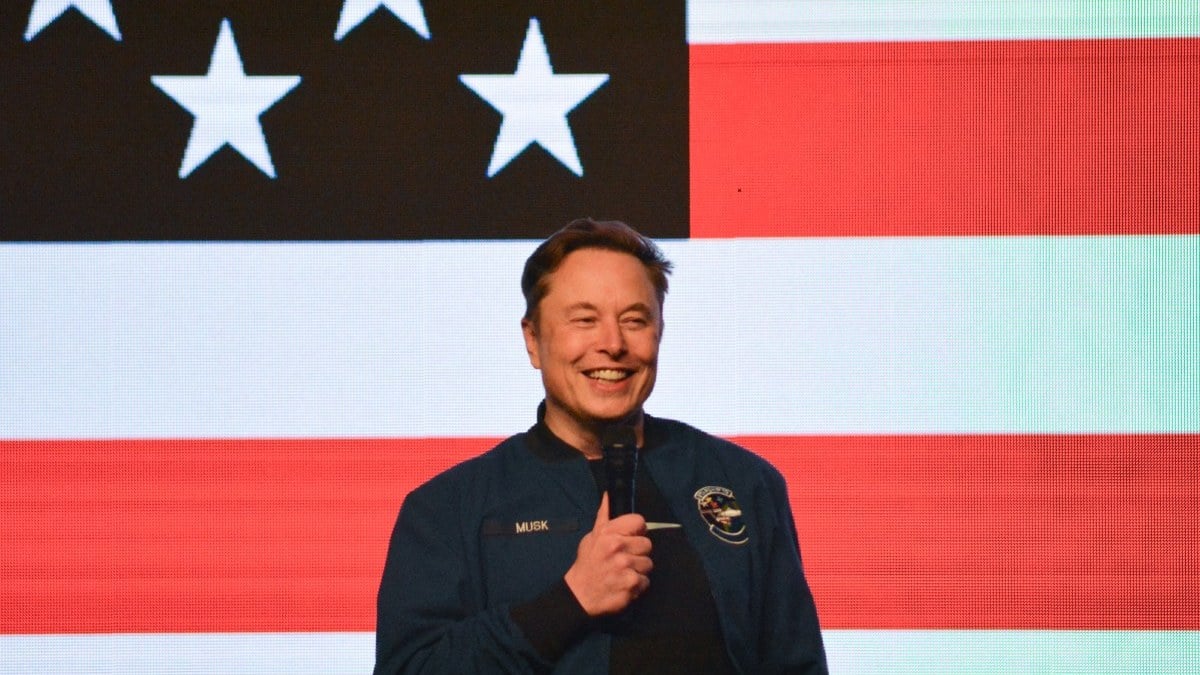
- What happened: Voters in multiple states rejected data center expansions through ballot measures, while electing officials like Texas governor-elect Gina Hinojosa, who campaigned on restricting such projects. Elon Musk's political donations failed to shield his companies from the resulting regulatory shift.
- Key facts & numbers: Elon Musk donated at least half a billion dollars to Republican candidates, yet his companies now operate in a significantly bluer Texas. In dozens of local votes, measures restricting data centers passed, reflecting broad bipartisan concern over environmental and transparency issues.
- What happens next: Governor-elect Gina Hinojosa will take office in January 2027 and is expected to advance campaign promises to impose data center moratoriums, particularly in environmentally sensitive areas of Texas.
Why It Matters
The midterm results signal growing bipartisan skepticism toward unchecked data center expansion, driven by environmental concerns and corporate secrecy. This shift could delay AI infrastructure growth and force hyperscalers to adopt more transparent, sustainable practices to maintain public and regulatory approval.
OpenAI’s policy reversal—dropping NDAs and rebranding facilities as 'compute campuses'—shows early corporate adaptation. However, with financial markets also questioning massive compute spending, tech firms may face dual pressure: regulatory barriers from newly empowered Democrats and tighter capital from cautious investors.
How Outlets Are Framing It
- [TechCrunch / Tech Industry Lens]: Focuses on Musk’s failed political gamble and internal tech sector debates over data center transparency, framing the backlash as a consequence of poor corporate engagement.
- [Yahoo Finance / Financial Lens]: Emphasizes OpenAI’s continued investment despite political headwinds, highlighting CFO statements that financial strategy remains intact amid regulatory uncertainty.
- [Grassroots Environmental Press / Regional Lens]: Stresses local opposition in water-scarce areas, framing data centers as environmental threats enabled by non-disclosure agreements with officials.
Background & Timeline
- November 2026: Midterm elections resulted in Democratic gains and passage of numerous local measures restricting data center development across the U.S.
- October 2026: OpenAI began drafting its 'compute campus' policy blueprint in response to rising public scrutiny over data center environmental impacts.
Sources Cited
Related Coverage
Ask SkimNews