Danijar Hafner builds AI agents that plan ahead
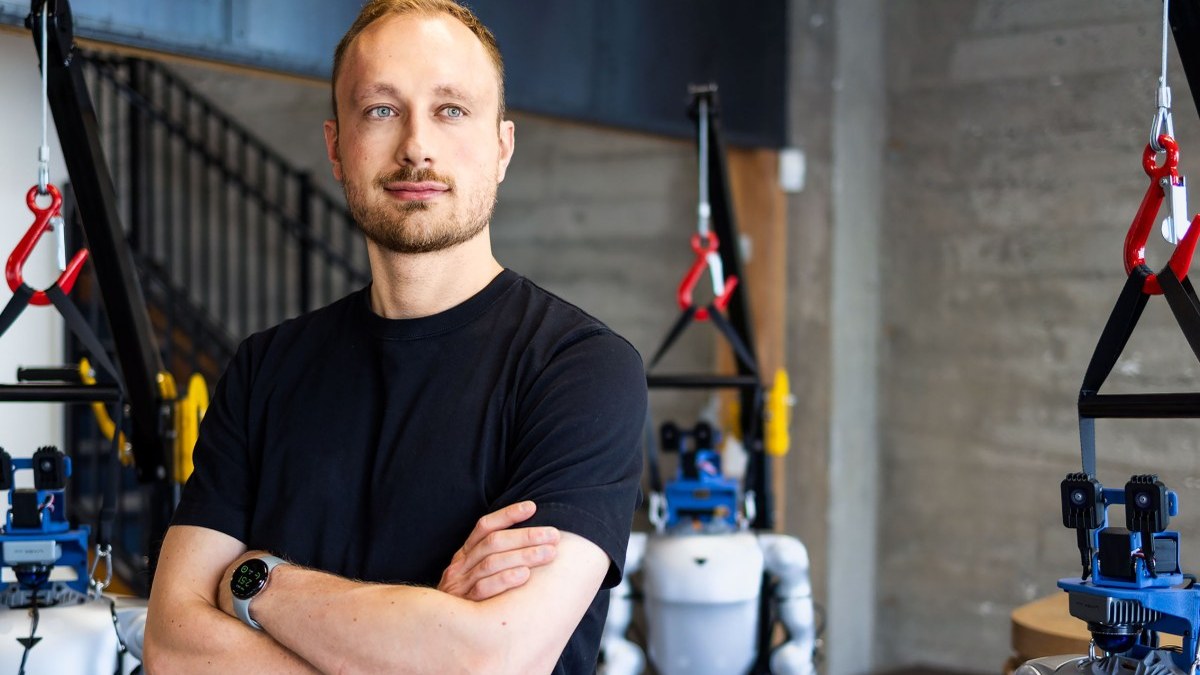
The 30-Second Skim
- What happened: Danijar Hafner, a former Google DeepMind researcher, has launched a stealth AI startup in San Francisco focused on building agents that can plan and adapt in unfamiliar environments using model-based reinforcement learning.
- Key facts & numbers: Danijar Hafner founded a stealth AI startup in San Francisco in fall 2025, aiming to develop agents that can navigate novel physical environments using advanced world models. Danijar Hafner employs model-based reinforcement learning to train AI agents, enabling them to simulate and predict outcomes in unseen scenarios—effectively allowing robots to 'dream' or imagine future actions before executing them. Danijar Hafner demonstrated the power of his approach through a series of AI agents—PlaNet, Dreamer 2, Dreamer 3, and Dreamer 4—that achieved human-level performance in Atari games and autonomously mined diamonds in Minecraft using only offline data.
- What happens next: While others chase chatbots, Hafner's quietly teaching AI to think ahead—his agents don’t just react, they plan, dream, and recover when shoved over.
- Danijar Hafner founded a stealth AI startup in San Francisco in fall 2025, aiming to develop agents that can navigate novel physical environments using advanced world models.
- Danijar Hafner employs model-based reinforcement learning to train AI agents, enabling them to simulate and predict outcomes in unseen scenarios—effectively allowing robots to 'dream' or imagine future actions before executing them.
- Danijar Hafner demonstrated the power of his approach through a series of AI agents—PlaNet, Dreamer 2, Dreamer 3, and Dreamer 4—that achieved human-level performance in Atari games and autonomously mined diamonds in Minecraft using only offline data.
- Danijar Hafner transitioned his work from virtual simulations to physical robotics with the DayDreamer project, where robots used Dreamer algorithms to react to real-world disruptions like being pushed over without specific retraining.
Why It Matters
Hafner’s approach reduces the need for costly real-world trial-and-error training in robotics, making autonomous adaptation faster and more scalable. This could accelerate deployment of general-purpose robots in unstructured human environments like homes or hospitals, where flexibility is critical and pre-programming every scenario is impossible.
Sources Cited
- MIT Technology Review — This AI entrepreneur is developing agents that can plan ahead for the unexpected
Related Coverage
Ask SkimNews