GIMLI to Map a Lunar Lava Tube Near Marius Hills
The 30-Second Skim
- What happened: NASA’s uncrewed GIMLI mission will probe a suspected lunar lava tube for Artemis, but NASA’s first south-polar base is unlikely to occupy such a shelter because suitable volcanic terrain has not been confirmed.
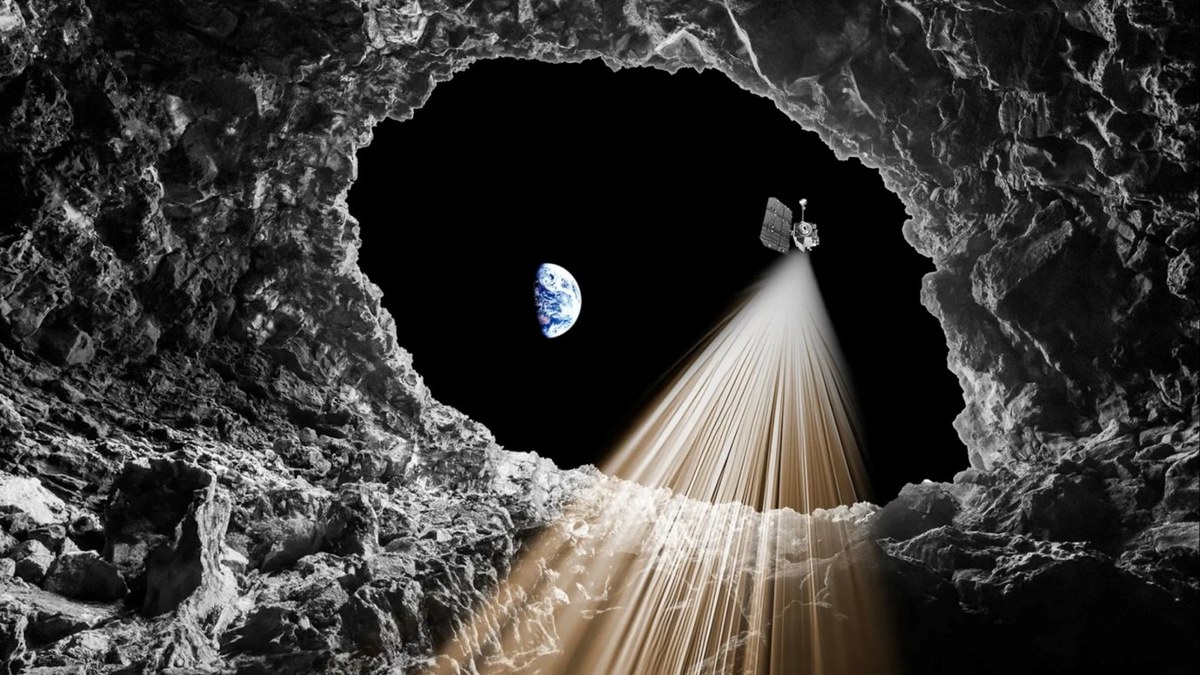
- Key facts & numbers: NASA selected three uncrewed lunar science missions for Artemis: a seismometer for moonquakes and meteorite impacts, an ice-hunting mission for potential water, oxygen and rocket fuel, and GIMLI to investigate a subterranean lava tube. GIMLI (Geophysical Instruments for Marius Lunar pit Investigation) is a joint effort by the Planetary Science Institute, NASA, the Norwegian Space Agency and Honeybee Robotics, a Blue Origin subsidiary; it will land beside the Marius Hills pit rather than descend into it, and no launch date is set. Marius Hills pit is thought to be a natural skylight into a lava tube and the target of the first planned lunar lava-tube exploration; GIMLI will use cameras, ground-penetrating radar, seismic sensors and a gravity-field device to map the pit walls and hidden subsurface.
- What happens next: The catch: GIMLI has no launch date, won’t enter the pit, and the first south-polar Artemis base probably won’t sit inside a lava tube.
- NASA selected three uncrewed lunar science missions for Artemis: a seismometer for moonquakes and meteorite impacts, an ice-hunting mission for potential water, oxygen and rocket fuel, and GIMLI to investigate a subterranean lava tube.
- GIMLI (Geophysical Instruments for Marius Lunar pit Investigation) is a joint effort by the Planetary Science Institute, NASA, the Norwegian Space Agency and Honeybee Robotics, a Blue Origin subsidiary; it will land beside the Marius Hills pit rather than descend into it, and no launch date is set.
- Marius Hills pit is thought to be a natural skylight into a lava tube and the target of the first planned lunar lava-tube exploration; GIMLI will use cameras, ground-penetrating radar, seismic sensors and a gravity-field device to map the pit walls and hidden subsurface.
- Nathaniel Putzig said the lack of volcanic terrain evidence makes a lava-tube base unlikely at NASA’s south-pole site, but “other outposts may well be established elsewhere” where lava tubes are identified.
Why It Matters
NASA’s three selected lunar missions add data on moonquakes, ice and underground shelter to Artemis planning, with GIMLI testing whether a Marius Hills tube is roomy and stable enough for a habitat or small reactor. The south-pole constraint matters: NASA’s first base is planned for the region’s putative water reservoirs, where Putzig sees little evidence of suitable lava terrain.
Sources Cited
Related Coverage
Ask SkimNews