ESP32 dongle blocks 537K domains in 4MB flash
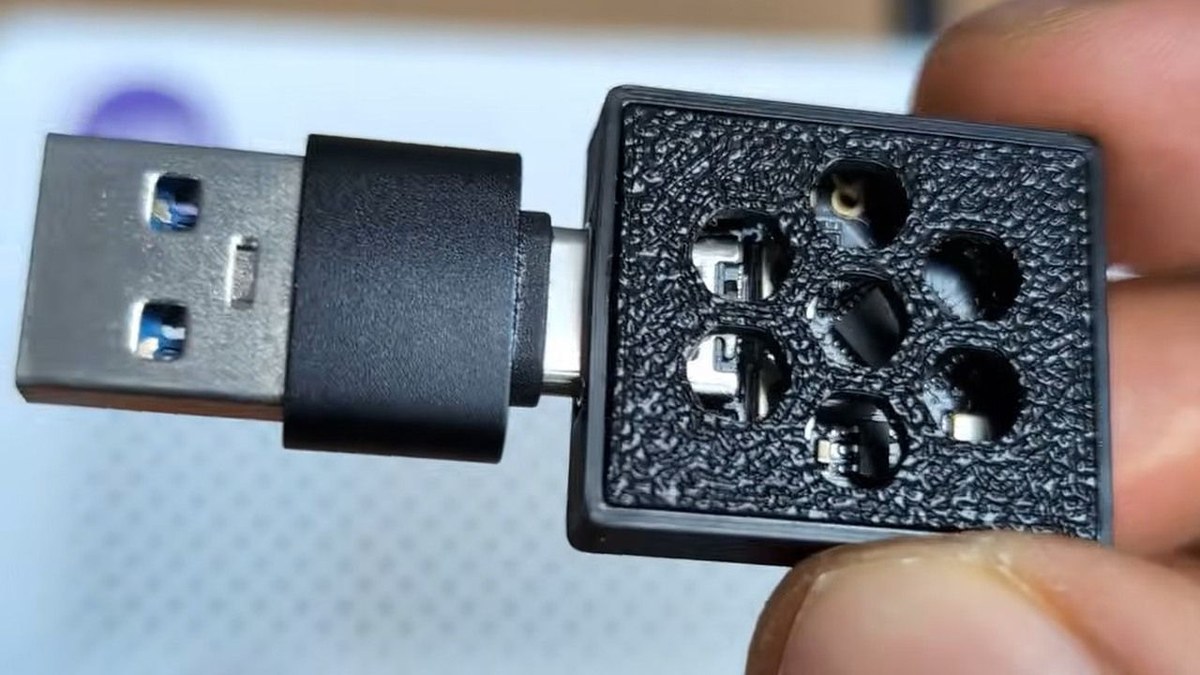
The 30-Second Skim
- What happened: Egyptian developer ZedAxis built a $5 ESP32-C3 'SuperMini' dongle that stores 537,000 blocked domains in 4MB of flash using 40-bit FNV-1a hashes, answering filtered DNS lookups in roughly 10 milliseconds with around 50KB of RAM.
- Key facts & numbers: ZedAxis (@M-Abozaid) built a DNS-based ad blocker on a $5 ESP32-C3 SuperMini board with 400KB of RAM and 4MB of flash, filling it with roughly 537,000 blocked domains fetched from public blocklists. The build compresses domains using 40-bit FNV-1a hashes — 32-bit produced too many collisions while 64-bit wasted space — then sorts the resulting list and writes it directly to flash for a binary search on each query. Finished firmware uses only around 50KB of RAM and answers blocked DNS lookups in roughly 10 milliseconds, forwarding non-blocked queries to an upstream resolver.
- What happens next: The wire is doing nothing. Five volts from the router's USB port, that's it. Best hardware hack footnote I've read this month.
- ZedAxis (@M-Abozaid) built a DNS-based ad blocker on a $5 ESP32-C3 SuperMini board with 400KB of RAM and 4MB of flash, filling it with roughly 537,000 blocked domains fetched from public blocklists.
- The build compresses domains using 40-bit FNV-1a hashes — 32-bit produced too many collisions while 64-bit wasted space — then sorts the resulting list and writes it directly to flash for a binary search on each query.
- Finished firmware uses only around 50KB of RAM and answers blocked DNS lookups in roughly 10 milliseconds, forwarding non-blocked queries to an upstream resolver.
- The design reclaims the ESP32's second firmware partition (normally reserved for over-the-air updates), nearly doubling blocklist capacity from about 250,000 with OTA support enabled to roughly 537,000 without it.
Why It Matters
In an era where a Raspberry Pi costs a couple hundred dollars, this $5 device runs on a router's USB port, sips a few dozen milliamps, and keeps network-wide ad filtering alive when a Pi-hole reboots or goes offline. It is explicitly not a Pi-hole or AdGuard Home replacement — it lacks the dashboards and per-client analytics — but it lowers the cost of a fallback filtered DNS to roughly the price of a fast-food lunch.
Sources Cited
Related Coverage
Ask SkimNews