Hackers Deploy AI Agents to Auto-Exploit Software Patches
The 30-Second Skim
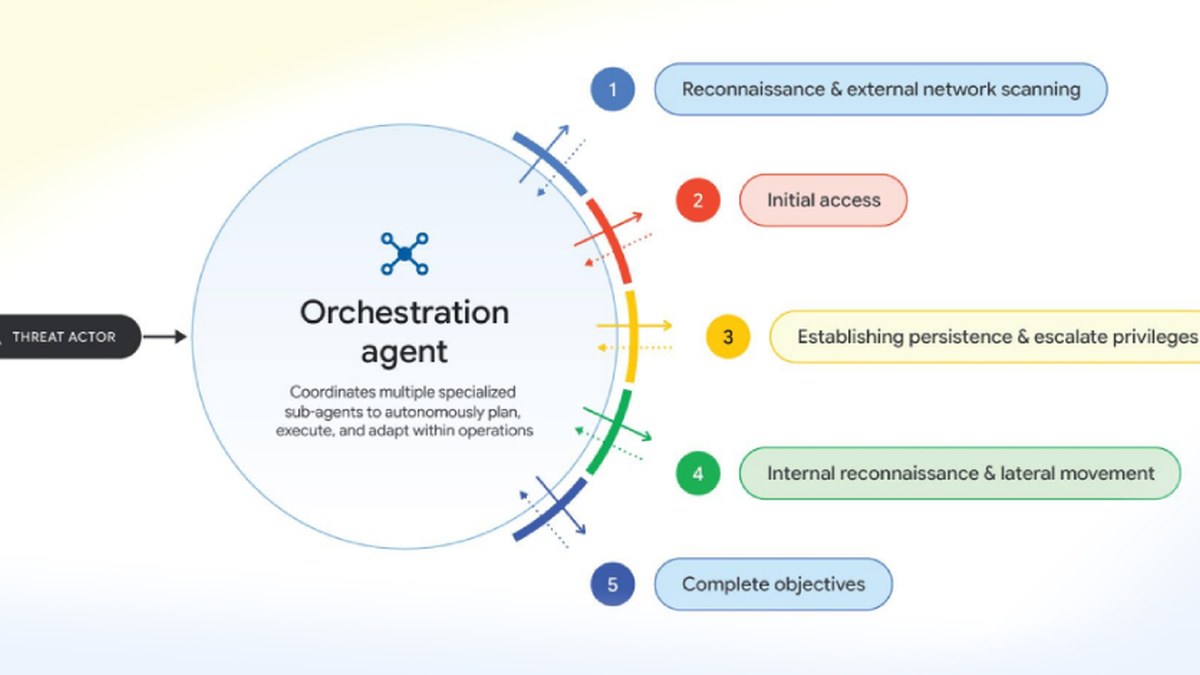
- What happened: Google identified threat actors using autonomous AI frameworks to generate and deploy cyberattacks based on software patches. These systems analyze updates and create working exploits without manual input, enabling rapid, self-directed intrusions.
- Key facts & numbers: Google's GTIG unit detected AI agents including ARTEX, CAIRN, CyberStrikeAI, and PentAGI in active use by hackers as of November 16, 2026. The systems can autonomously reverse-engineer patches and deploy exploits within hours of patch release.
- What happens next: Security teams must prepare for near-instantaneous exploit deployment post-patch, requiring automated defense systems and faster patch validation processes to counter AI-driven attack cycles.
Why It Matters
This development marks a turning point in cybersecurity, where AI no longer merely assists attackers but operates autonomously to scale and accelerate exploits. As low-skill actors gain access to AI-powered attack frameworks, the volume and speed of breaches could surge, overwhelming traditional defense models reliant on human analysis and response cycles.
Enterprises and governments must now prioritize AI-augmented defense systems, zero-trust architectures, and real-time patch validation. The commoditization of AI-driven offensive tools may force a fundamental redesign of software development and disclosure practices, with implications for liability, regulation, and cyber insurance markets.
How Outlets Are Framing It
- [The Hacker News / Technical Threat Focus]: Emphasizes the technical sophistication of AI agents like ARTEX and PentAGI, framing the story around the evolution of offensive cyber tooling and its implications for red teaming and exploit development.
- [Security Affairs / Cybercrime Trend Lens]: Highlights how AI agents lower the barrier to entry for cybercrime, focusing on credential theft and the automation of end-to-end attacks by less-skilled threat actors.
- [NewsCord / Media Comparison Angle]: Stresses the consensus across 16 outlets on the emergence of 'exploit_agent' systems, framing it as a systemic shift validated by broad investigative alignment.
Background & Timeline
- November 2025: Early prototypes of AI-assisted exploit generation emerged, requiring significant human oversight and prompting.
- March 2026: First reports surfaced of AI models reverse-engineering patch notes, signaling the move toward autonomous vulnerability discovery.
Sources Cited
- The Hacker News — Google Finds Hackers Using AI Agents to Build and Run Exploits From Software Patches
- TradingView — Google says hackers use AI agents to find and exploit software flaws
- Techloy — Google Says Hackers Used AI to Fully Automate a Cyberattack
- Security Affairs — Google GTIG Warns AI Agents Automate Exploits, Steal Credentials and Scale Cybercrime
- NewsCord — Google GTIG Warns exploit_agent Automates Vulnerability Research and Exploits From Patches: 16 outlets compared
Related Coverage
Ask SkimNews