Malicious JetBrains Plugins Steal AI API Keys as Chrome Extensions Capture Chatbot Chats
The 30-Second Skim
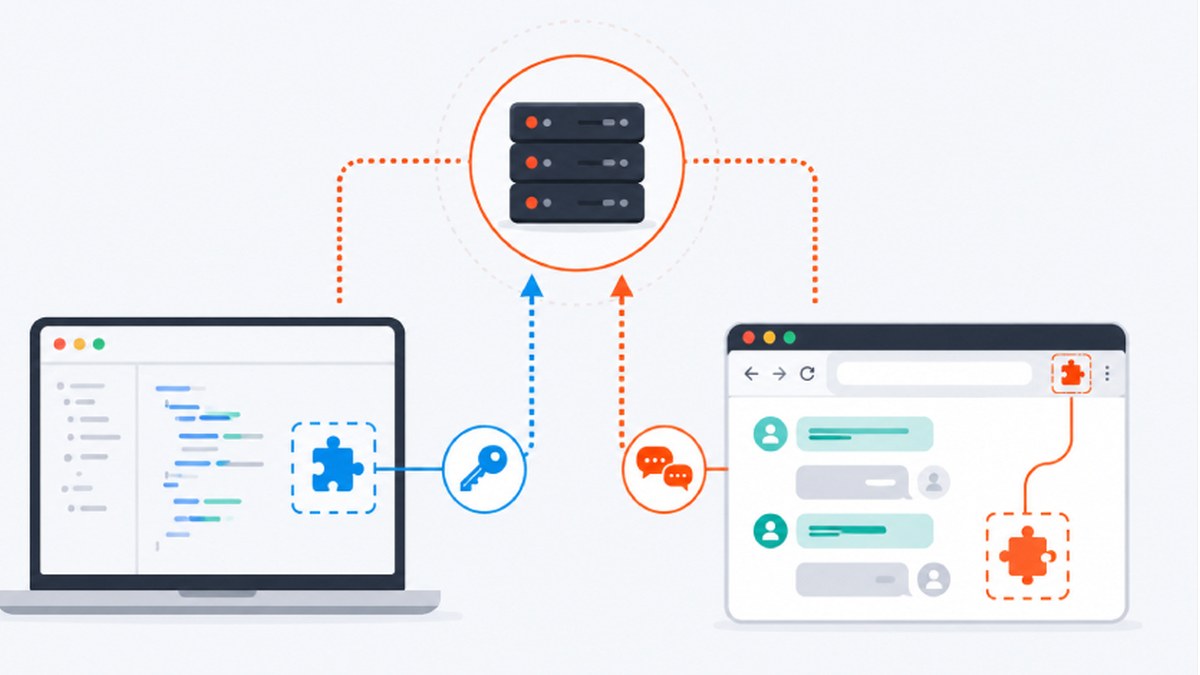
- What happened: Security researchers have uncovered two coordinated malware campaigns: 15 malicious JetBrains plugins exfiltrating AI provider API keys to an attacker server, and two Chrome ad-blocker extensions capturing user conversations with ChatGPT, Claude, Gemini, and other major AI chatbots.
- Key facts & numbers: Aikido Security identified 15 malicious plugins on the JetBrains Marketplace that pose as AI coding assistants built on DeepSeek and other LLMs, exfiltrating user-entered API keys for OpenAI, SiliconFlow, and DeepSeek to an attacker-controlled server at IP 39.107.60[.]51 over plaintext HTTP. The JetBrains campaign has been active since late October 2025, with new plugins released as recently as June 10, 2026; two plugins — CodeGPT AI Assistant and DeepSeek AI Assist — each show over 25,000 downloads, though Aikido notes the counts may be inflated to fake popularity. The JetBrains plugins implement a paid tier where users pay a small donation fee and receive a working API key back, suggesting the operators are monetizing stolen credentials by reselling access to victims' paid AI services while the legitimate key owners pay the bill.
- What happens next: Wildest detail: those 15 JetBrains plugins don't just steal your AI key — they resell access to it. You pay a fee, get a stolen key, and the real account holder foots the bill.
- Aikido Security identified 15 malicious plugins on the JetBrains Marketplace that pose as AI coding assistants built on DeepSeek and other LLMs, exfiltrating user-entered API keys for OpenAI, SiliconFlow, and DeepSeek to an attacker-controlled server at IP 39.107.60[.]51 over plaintext HTTP.
- The JetBrains campaign has been active since late October 2025, with new plugins released as recently as June 10, 2026; two plugins — CodeGPT AI Assistant and DeepSeek AI Assist — each show over 25,000 downloads, though Aikido notes the counts may be inflated to fake popularity.
- The JetBrains plugins implement a paid tier where users pay a small donation fee and receive a working API key back, suggesting the operators are monetizing stolen credentials by reselling access to victims' paid AI services while the legitimate key owners pay the bill.
- Researcher Jean-Marie R. uncovered a separate operation codenamed PromptSnatcher involving two Chrome extensions — "Smart Adblocker" (90,000 users, published October 2022) and "Adblock for Browser" (10,000 users, published August 2023) — that capture conversation data from ChatGPT, Claude, Gemini, Copilot, Perplexity, DeepSeek, Grok, and Meta AI.
Why It Matters
Developers who entered API keys into these 15 JetBrains plugins are unknowingly funding a resale scheme — the operator collects user fees while the original key holder pays for all the AI usage, Aikido warned. Meanwhile, roughly 100,000 Chrome users of the two fake ad blockers have had their AI conversations — potentially including proprietary code or sensitive business prompts — siphoned to unknown operators, with both extensions still live on the Chrome Web Store.
Sources Cited
- The Hacker News — Malicious JetBrains Plugins Steal AI API Keys as Chrome Extensions Capture Chatbot Chats
- BleepingComputer — Malicious JetBrains Marketplace plugins steal AI API keys from developers
- SC Media — Malicious JetBrains plugins steal AI API keys from developers | brief | SC Media
- Infosecurity Magazine — Fifteen JetBrains Marketplace Plugins Found Stealing API Keys
- Hackread — 15 Malicious JetBrains Plugins Caught Stealing DeepSeek, OpenAI API Keys
Related Coverage
- Malicious JetBrains Marketplace plugins steal AI API keys from developers - BleepingComputerGoogle News Technology
- Microsoft: AI Chatbots Now Serving Cryptojacking LinksThe Hacker News
- Malicious npm package exfiltrates OpenAI Codex tokensThe Hacker News
- Malicious Claude Code Extension Hit 5,000 Cursor UsersWired
Ask SkimNews