Meta's Muse vs. OpenAI's Dots: The AI Agent Race
The 30-Second Skim
- What happened: Meta's Muse and OpenAI's Dots are racing to become consumers' always-on AI personal assistants, but both inherit the privacy flaws of the OpenClaw approach they were modeled on.
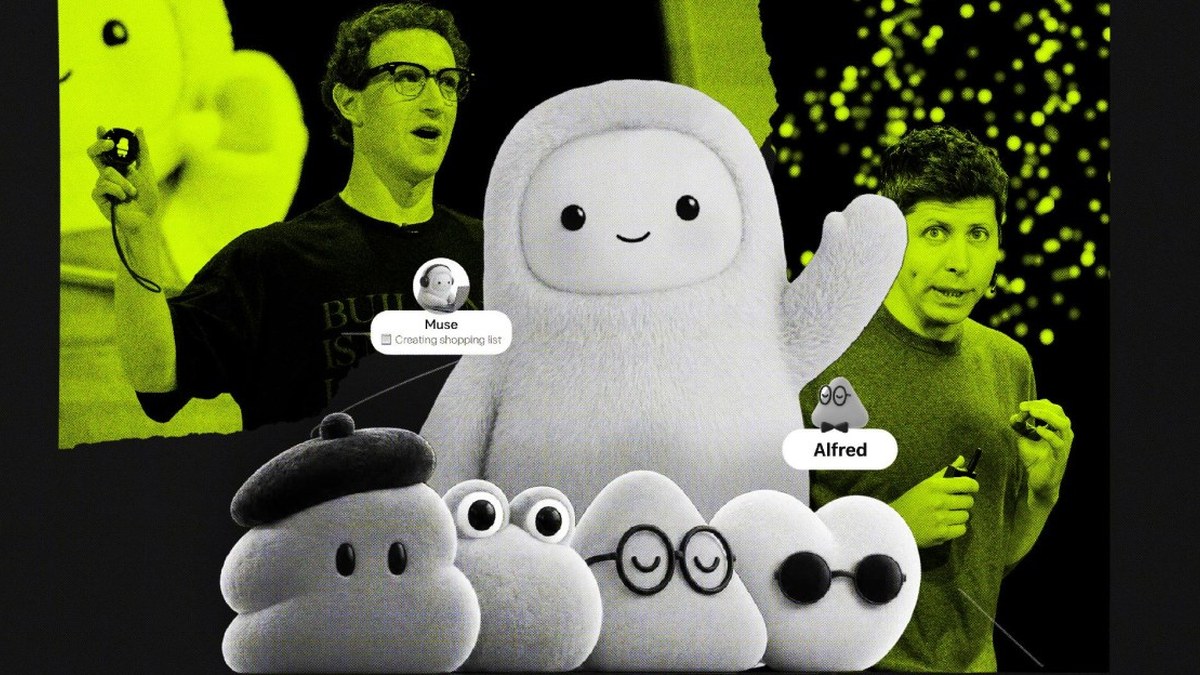
- Key facts & numbers: Meta's Muse and OpenAI's Dots launched weeks apart — Muse at Meta Connect, Dots at OpenAI DevDay — as always-on, autonomous AI agents pitched to mainstream users via cute animated mascots. Both agents descend from OpenClaw, a weekend project by Peter Steinberger that paired a model with a harness controlling a browser; OpenAI hired Steinberger and Meta said it was 'inspired by' the approach while building from scratch. Muse is free while Dots is not, and Meta is aggressively pushing one-tap distribution — including pop-ups on Instagram profiles — to make agent use feel as normal as opening Instagram.
- What happens next: Both Muse and Dots descend from OpenClaw, a weekend project with known security flaws. Your credit card is now in a reskinned version of that.
- Meta's Muse and OpenAI's Dots launched weeks apart — Muse at Meta Connect, Dots at OpenAI DevDay — as always-on, autonomous AI agents pitched to mainstream users via cute animated mascots.
- Both agents descend from OpenClaw, a weekend project by Peter Steinberger that paired a model with a harness controlling a browser; OpenAI hired Steinberger and Meta said it was 'inspired by' the approach while building from scratch.
- Muse is free while Dots is not, and Meta is aggressively pushing one-tap distribution — including pop-ups on Instagram profiles — to make agent use feel as normal as opening Instagram.
- OpenAI's Dots offers specialist agents for marketing, legal, and accounting work, positioning the product as more enterprise-friendly than Meta's strictly consumer-facing Muse.
Why It Matters
Meta and OpenAI are converging on the same OpenClaw-derived architecture, so the race is no longer about whose agent works — it's about who gets users to hand over credit card numbers and email inboxes first. Meta's free, Instagram-driven distribution gives it a consumer-data advantage, while OpenAI's paid, specialist-tilted Dots bets enterprise customers will pay to avoid that trust gap. Whoever normalizes always-on agent access to personal data sets the default for every consumer AI product that follows.
Sources Cited
Related Coverage
Ask SkimNews