Microsoft Builds AI Agents Into Windows OS
The 30-Second Skim
- What happened: Microsoft is rebuilding Windows around AI agents — giving them OS-level identities, a registry for tool discovery, sandboxed execution, and local model support — in a bid to win back developers who've drifted to macOS and Linux.
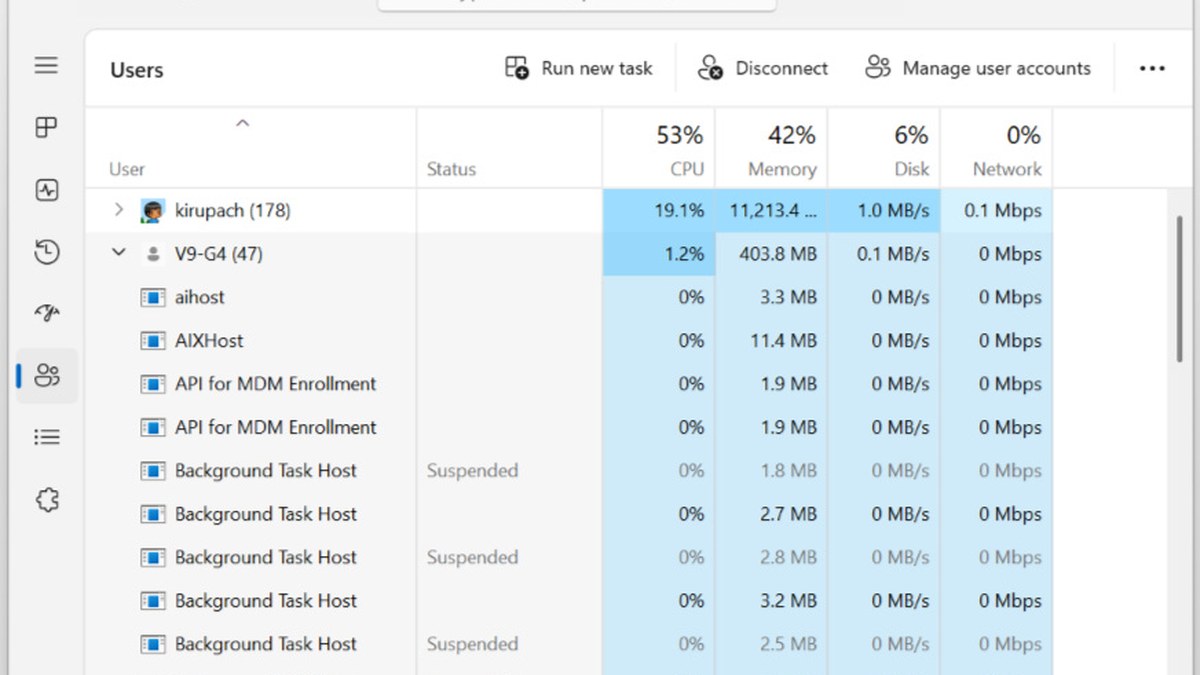
- Key facts & numbers: Microsoft is building native agent identity into Windows via Entra ID, so agents appear as distinct users (e.g., "V9-G4") alongside humans in Task Manager, with Microsoft Defender becoming "agent aware" and scanning for rogue agent activity like malware. Windows On Device Agent Registry (ODR) is a centralized, OS-level registry where agents discover and register locally available MCP tools; reverse engineering by Origin Technology suggests ODR proxies between MCP clients and servers to inspect payloads, though Microsoft has not confirmed this. Microsoft Execution Containers (MXC) is a new in-development sandboxing technology that lets developers run agent tools in isolated environments governed by JSON-based containment policies covering network, filesystem, UI, and execution restrictions.
- What happens next: Microsoft now treats AI agents as OS-level users with their own Task Manager entries — and Defender scans for rogue agents like malware. The OS literally treats AI as a new identity class.
- Microsoft is building native agent identity into Windows via Entra ID, so agents appear as distinct users (e.g., "V9-G4") alongside humans in Task Manager, with Microsoft Defender becoming "agent aware" and scanning for rogue agent activity like malware.
- Windows On Device Agent Registry (ODR) is a centralized, OS-level registry where agents discover and register locally available MCP tools; reverse engineering by Origin Technology suggests ODR proxies between MCP clients and servers to inspect payloads, though Microsoft has not confirmed this.
- Microsoft Execution Containers (MXC) is a new in-development sandboxing technology that lets developers run agent tools in isolated environments governed by JSON-based containment policies covering network, filesystem, UI, and execution restrictions.
- WindowsML is a new hardware abstraction layer for running local AI models across GPU, NPU, and CPU, with Microsoft aiming to ship Small Language Models (SLMs) without requiring an NPU, demonstrated locally on a Surface laptop running NVIDIA chips.
Why It Matters
Microsoft is betting that making Windows the natural home for AI agents — with OS-level identity, tool discovery, sandboxing, and local model runtime — can reverse years of developer defection to macOS and Linux. If the bet lands, Windows repositions from a declining dev platform to the default OS for agentic AI; if it doesn't, the developer share erosion noted in the Pragmatic Engineer survey continues, and Microsoft loses relevance in the AI tooling stack.
Sources Cited
- The Pragmatic Engineer — How will AI change operating systems? Part 2: Windows
Related Coverage
Ask SkimNews