Microsoft's Maia 300 Chip Cuts Reliance on Nvidia GPUs
The 30-Second Skim
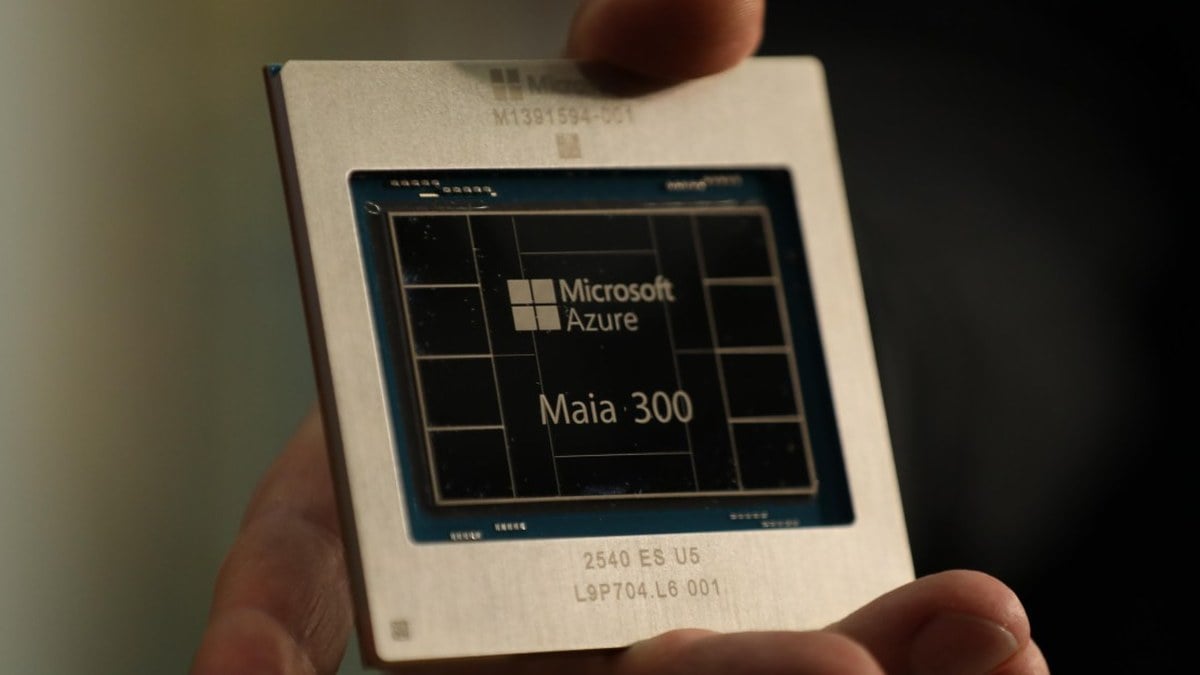
- What happened: Microsoft unveiled its third-generation Maia 300 AI chip, designed to become the primary inference system across its products and services starting in 2027, reducing the company's dependence on Nvidia and AMD GPUs.
- Key facts & numbers: Microsoft announced Maia 300, its third-generation in-house AI chip, with production rollout to AI workloads beginning in 2027 and plans to make it the "primary AI inference system" for Microsoft products and services. Maia 300 delivers 40% more tokens per megawatt than leading GPU-based systems, and in a 96-accelerator configuration achieves up to 7x the rack-scale token throughput of its predecessor Maia 200, according to Microsoft cloud EVP Scott Guthrie. Microsoft will scale its Azure Maia family to multi-gigawatt deployments starting in 2027, shifting the bulk of its AI workloads off Nvidia and AMD silicon.
- What happens next: Maia 200 only shipped in January and already powers Copilot + GitHub Copilot. Microsoft isn't dabbling — it's stockpiling chips to wean itself off Nvidia at gigawatt scale.
- Microsoft announced Maia 300, its third-generation in-house AI chip, with production rollout to AI workloads beginning in 2027 and plans to make it the "primary AI inference system" for Microsoft products and services.
- Maia 300 delivers 40% more tokens per megawatt than leading GPU-based systems, and in a 96-accelerator configuration achieves up to 7x the rack-scale token throughput of its predecessor Maia 200, according to Microsoft cloud EVP Scott Guthrie.
- Microsoft will scale its Azure Maia family to multi-gigawatt deployments starting in 2027, shifting the bulk of its AI workloads off Nvidia and AMD silicon.
- Maia 300 uses a chiplet architecture built on TSMC's N2P process node, separating compute, memory controller, and I/O functions so each can use the best-suited silicon technology, per Microsoft's Azure hardware and infrastructure team.
Why It Matters
Microsoft is making a multi-gigawatt, multi-year bet on its own silicon that pulls AI inference workloads off Nvidia and AMD starting in 2027, with the 40% efficiency gain and 7x rack-scale throughput claims over Maia 200 setting the bar Microsoft must clear to credibly run its own models on homegrown chips.
Sources Cited
Related Coverage
Ask SkimNews