Nvidia and Paradromics Team Up to Shrink Brain-Computer
The 30-Second Skim
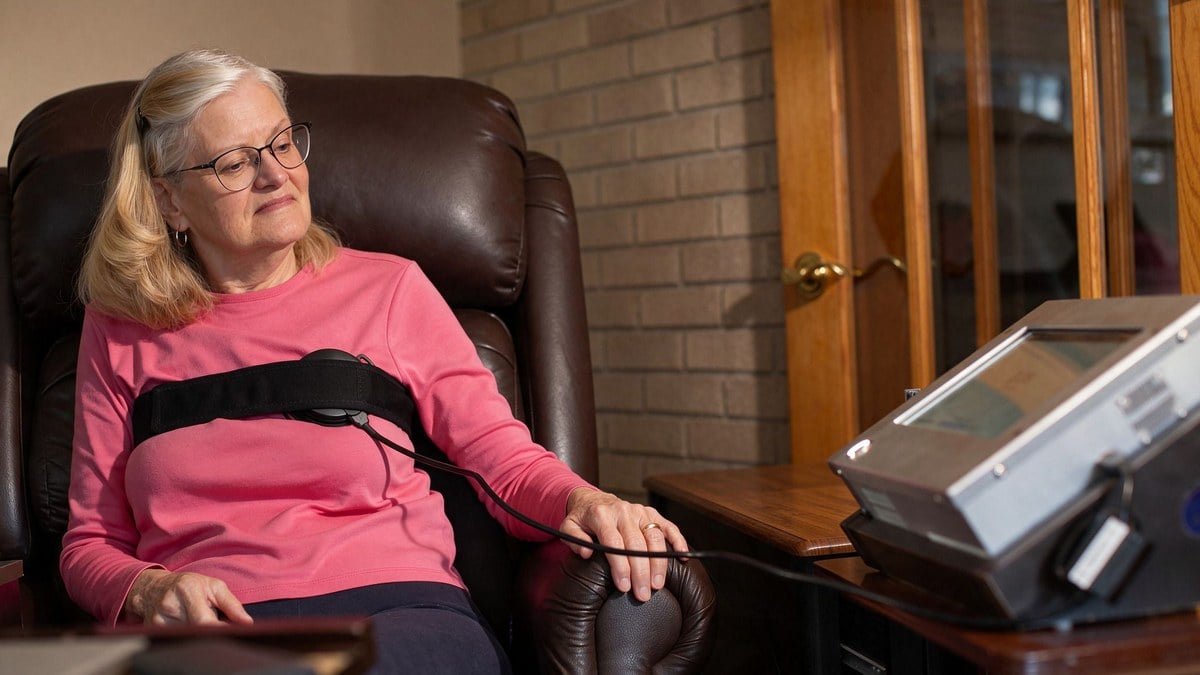
- What happened: Austin-based Paradromics has teamed up with Nvidia to process brain-computer interface data using compact, low-power hardware. The collaboration aims to replace bulky external electronics with a portable device, improving mobility for users like Mary, a Michigan woman with motor neuron disease.
- Key facts & numbers: The Paradromics implant uses over 400 electrodes to capture neural signals linked to speech attempts. Nvidia’s Jetson module and Holoscan software will enable on-device AI processing, reducing reliance on large external computing carts by 2027.
- What happens next: Paradromics plans to deploy a wheelchair-mounted processing unit within a year, with future iterations targeting smartphone-sized devices. The goal is fully portable, internet-independent brain-computer interfaces with real-time, adaptive AI models.
Why It Matters
This partnership accelerates the shift from lab-bound to consumer-ready brain-computer interfaces, potentially transforming care for paralysis and neurodegenerative diseases. Portable, low-latency systems could restore natural communication, reducing patient dependency on caregivers and fixed infrastructure.
By enabling on-device AI, Nvidia strengthens its foothold in medical edge computing while avoiding cloud privacy risks. As competitors like Synchron also adopt its platform, Nvidia could become the de facto hardware standard in neural interfaces—expanding its influence beyond data centers into human-machine integration.
How Outlets Are Framing It
- [Wired / Tech Innovation Lens]: Focuses on the technical leap in edge computing, highlighting Nvidia’s Jetson and Holoscan as enablers of real-time, portable neural decoding for natural conversation.
- [BioSpace / Biotech Advancement Lens]: Emphasizes Paradromics’ progress in high-performance AI for medical neurotechnology, framing it as a milestone in treating speech-disabled patients.
- [MassDevice / Medical Device Lens]: Stresses the engineering challenge of miniaturization and power reduction, positioning the Nvidia tie-up as critical for clinical portability and usability.
Background & Timeline
- Nov 2026: Paradromics announces partnership with Nvidia to integrate Jetson and Holoscan into its brain-computer interface for portable speech decoding.
- 2025: Early prototypes required cart-sized electronics, limiting patient mobility and restricting use to controlled environments near power sources.
Sources Cited
- Wired — Nvidia Is Powering Brain-Computer Interfaces Now
- Superpower Daily — Paradromics partners with Nvidia to shrink brain-implant speech hardware
- BioSpace — Paradromics Advances High-Performance AI Computing for Brain-Computer Interfaces with NVIDIA
- MassDevice — Paradromics taps Nvidia to bring on-device speech AI to brain-computer interfaces
- Crypto Briefing — Paradromics taps Nvidia to shrink its brain-computer interface hardware
Related Coverage
- Memories.ai Teams with Nvidia on Visual Memory ModelTechCrunch
- Microsoft Debuts RTX Dev Box; Nvidia Unveils AI ChipsGoogle News Technology
- Nvidia Partners with Dell, Lenovo, Asus for AI LaptopsGoogle News Technology
- Nvidia unveils the Jetson Orin Nano 2 edge AI computer that it says doubles inference performance, with 78 TOPS of AI compute and an eight-core Arm CPU (Eugene Demaitre/The Robot Report)TechMeme
Ask SkimNews