Nvidia DLSS 5 AI Graphics Draw Artist, Critic Backlash
The 30-Second Skim
- What happened: Nvidia's DLSS 5 AI graphics tool, rolling out this autumn, has drawn pushback from critics and concept artists who say AI-rendered characters look "uncanny" and hollow — even as major publishers back the technology.
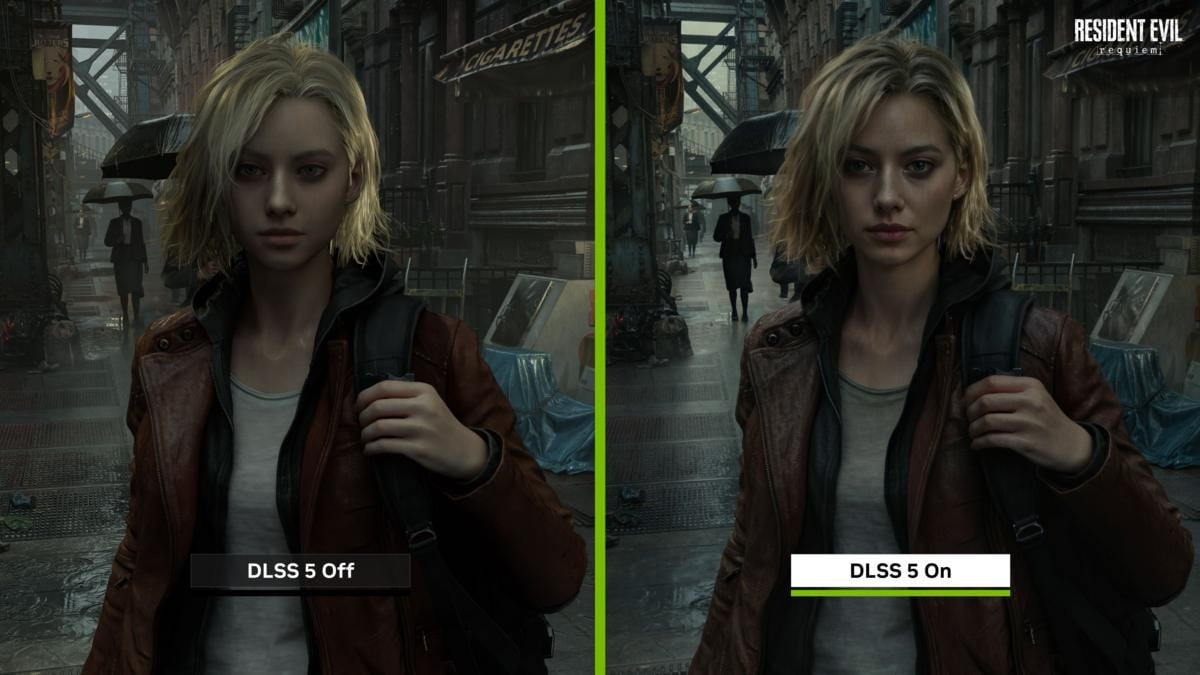
- Key facts & numbers: Nvidia unveiled DLSS 5 at its annual Silicon Valley conference, calling it the most significant computer-graphics breakthrough since real-time ray tracing in 2018, with rollout planned for this autumn. DLSS 5 uses AI to generate photoreal hair, fabric, skin, and environmental lighting; Nvidia showed dramatic before-and-after transformations of characters in Resident Evil Requiem and Hogwarts Legacy. Concept artist Jeff Talbot of Gunfire Games posted that "each DLSS 5 shot looked worse and had less character than the original," while critic Alex Donaldson praised the environments but called the character rendering "uncanny & weird."
- What happens next: Headline calls it a 'gamer backlash' but quoted critics are industry pros, not players. The pro-publisher split is the real story.
- Nvidia unveiled DLSS 5 at its annual Silicon Valley conference, calling it the most significant computer-graphics breakthrough since real-time ray tracing in 2018, with rollout planned for this autumn.
- DLSS 5 uses AI to generate photoreal hair, fabric, skin, and environmental lighting; Nvidia showed dramatic before-and-after transformations of characters in Resident Evil Requiem and Hogwarts Legacy.
- Concept artist Jeff Talbot of Gunfire Games posted that "each DLSS 5 shot looked worse and had less character than the original," while critic Alex Donaldson praised the environments but called the character rendering "uncanny & weird."
- Bethesda, CAPCOM, and Warner Bros. Games are among the major publishers Nvidia said support DLSS 5.
Why It Matters
For Nvidia, DLSS 5 is a high-stakes test of whether its AI-first identity — built on data-center chips — translates back to the gaming community that made it a household name. The split between publisher enthusiasm (Bethesda, CAPCOM, Warner Bros. Games) and artist/critic hostility means the tech arrives with its creative-industry credibility unresolved, and studios face a new flashpoint in the broader AI-in-games fight.
Sources Cited
Related Coverage
Ask SkimNews