Plants can speak using electricity, so this startup built an AI model to decipher their language
The 30-Second Skim7 points
- What happenedElectric Plant raised $11.2 million to build Bombadil, an AI model trained on electrical signals from about 125 plant species, with cheap iPhone-sized sensors that aim to give farmers real-time crop insight.
- Key facts & numbersElectric Plant raised an $11.2 million seed round led by Onto Ventures and Climactic, with participation from Ponderosa, Endeavor Catalyst, Ludlow, Michigan Rise, The Fund, Schox VC, and Dug Song. Bombadil — co-founded by Justin Mast and DARPA-experienced neuroscientist Lee von Kraus — deciphers microvolt-level electrical signals through plant stems, with Mast framing the work as "listening more than we're speaking." The Bombadil model spans about 125 species from ferns and redwoods to tomatoes and dahlias, which Mast called "the most diverse model ever created on biological electrical signals."
- What happens nextThe "AI speaks to plants" hook is cute, but the real story is a $30 sensor replacing thousand-dollar gear — that's what would actually change farming.
- Electric Plant raised an $11.2 million seed round led by Onto Ventures and Climactic, with participation from Ponderosa, Endeavor Catalyst, Ludlow, Michigan Rise, The Fund, Schox VC, and Dug Song.
- Bombadil — co-founded by Justin Mast and DARPA-experienced neuroscientist Lee von Kraus — deciphers microvolt-level electrical signals through plant stems, with Mast framing the work as "listening more than we're speaking."
- The Bombadil model spans about 125 species from ferns and redwoods to tomatoes and dahlias, which Mast called "the most diverse model ever created on biological electrical signals."
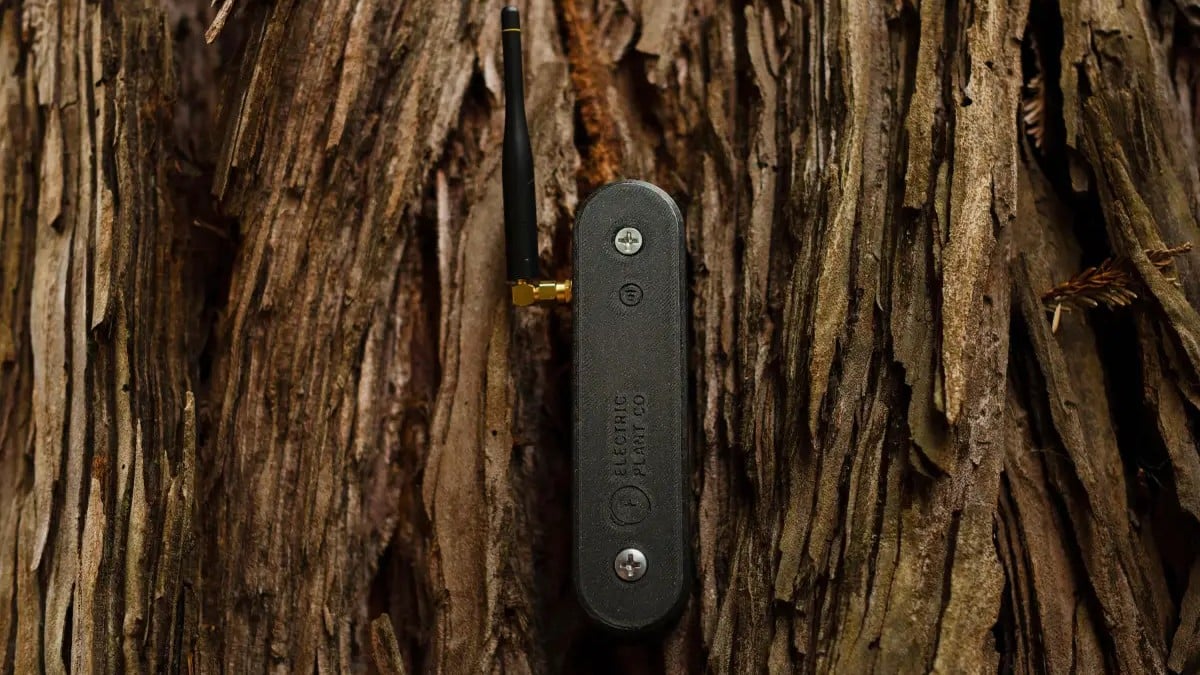
- Electric Plant's sensors, roughly iPhone-sized, clip on with stainless steel screws that penetrate the cambium and cost "tens of dollars" versus thousands for soil probes, spectroscopes, and similar gear.
Why It Matters
If the system performs as claimed, growers could monitor what crops actually need in real time for tens of dollars per sensor instead of investing in thousands-of-dollar equipment. The 125-species breadth also means a single model could serve both row-crop agriculture and forestry rather than requiring species-specific tools.
Sources Cited
Related Coverage
Ask SkimNews
The day’s news in one short email, every morning.
Free. One email a day. Unsubscribe in one click.