3 GW Virginia AI outage was an architecture failure
The 30-Second Skim
- What happened: On July 22, 2026, a transmission fault in Ashburn, Virginia knocked 3+ gigawatts of data center load off the grid — and ON.energy argues it was an architecture failure, proposing medium-voltage inline UPS systems as the fix.
- Key facts & numbers: A July 22, 2026 transmission fault in Ashburn, Virginia — the heart of the world's largest data center cluster — knocked more than 3 gigawatts of load off the grid in seconds, while a similar 2024 surge arrester failure had dropped roughly 60 facilities and 1,500 MW. AI data centers can swing 70% of their load in milliseconds during training runs, then trip offline at the first sign of upstream trouble to protect compute — behavior the grid was built to absorb from steel mills and houses, not gigawatt-scale campuses. The standard data center power stack breaks at AI scale in three places, per ON.energy: UPS batteries are an undersized spare tire; converters run in bypass mode letting raw grid transients reach the racks; and protection logic written for 50 MW loads counts voltage dips and disconnects on the third.
- What happens next: Sponsored content from ON.energy — the 'solution' is literally their product. Also: those 2026 outage dates read as illustrative, not reported events.
- A July 22, 2026 transmission fault in Ashburn, Virginia — the heart of the world's largest data center cluster — knocked more than 3 gigawatts of load off the grid in seconds, while a similar 2024 surge arrester failure had dropped roughly 60 facilities and 1,500 MW.
- AI data centers can swing 70% of their load in milliseconds during training runs, then trip offline at the first sign of upstream trouble to protect compute — behavior the grid was built to absorb from steel mills and houses, not gigawatt-scale campuses.
- The standard data center power stack breaks at AI scale in three places, per ON.energy: UPS batteries are an undersized spare tire; converters run in bypass mode letting raw grid transients reach the racks; and protection logic written for 50 MW loads counts voltage dips and disconnects on the third.
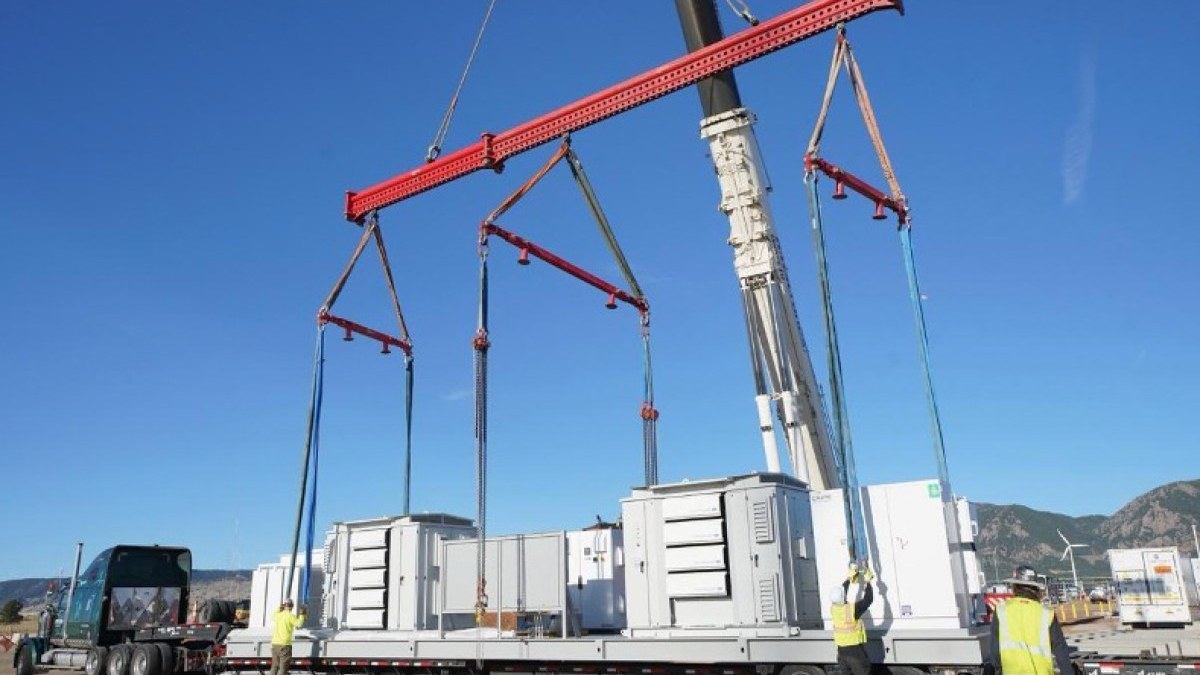
- ON.energy's proposed fix moves power protection up to medium voltage (13.8 kV and higher), out of the data hall into modular enclosures near the substation, and into the power path as an inline system every electron runs through, eliminating the bypass route.
Why It Matters
ON.energy reframes the AI-grid debate from generation (more turbines, solar, transmission) to the UPS architecture inside the data center fence — a spending shift toward medium-voltage inline systems if hyperscalers and utilities adopt the model. For utilities, certifying one medium-voltage box per site instead of every component could compress permitting timelines on the next gigawatt-scale wave, while turning a 70% load-swing liability into a grid asset that earns money in demand response.
Sources Cited
- MIT Technology Review — Powering AI is an architecture problem
- TechMeme — TechMeme
- The Verge — The Verge
Related Coverage
Ask SkimNews