Reliable Robotics raises $115M, crosses $1B valuation
The 30-Second Skim
- What happened: SpaceX alumni–led Reliable Robotics raised $115 million and surpassed a $1 billion valuation, buying more time to certify its autonomous flight system for existing aircraft with the FAA.
- Key facts & numbers: Reliable Robotics raised $115 million in a Series D extension — $90 million in equity led by Nimble Partners and $25 million in debt from Silicon Valley Bank — bringing the round to $275 million and pushing its valuation past the $1 billion mark. Reliable Robotics is pursuing FAA certification on four tracks, with CEO Robert Rose targeting approval of its continuous autopilot engagement system — which handles startup, taxiing, takeoff and landing — within 18 to 24 months. Robert Rose, a former SpaceX director of flight software who also had stints at Tesla and Google, co-founded Reliable with CTO Juerg Frefel, a fellow SpaceX veteran who spent nearly a decade there as an engineer.
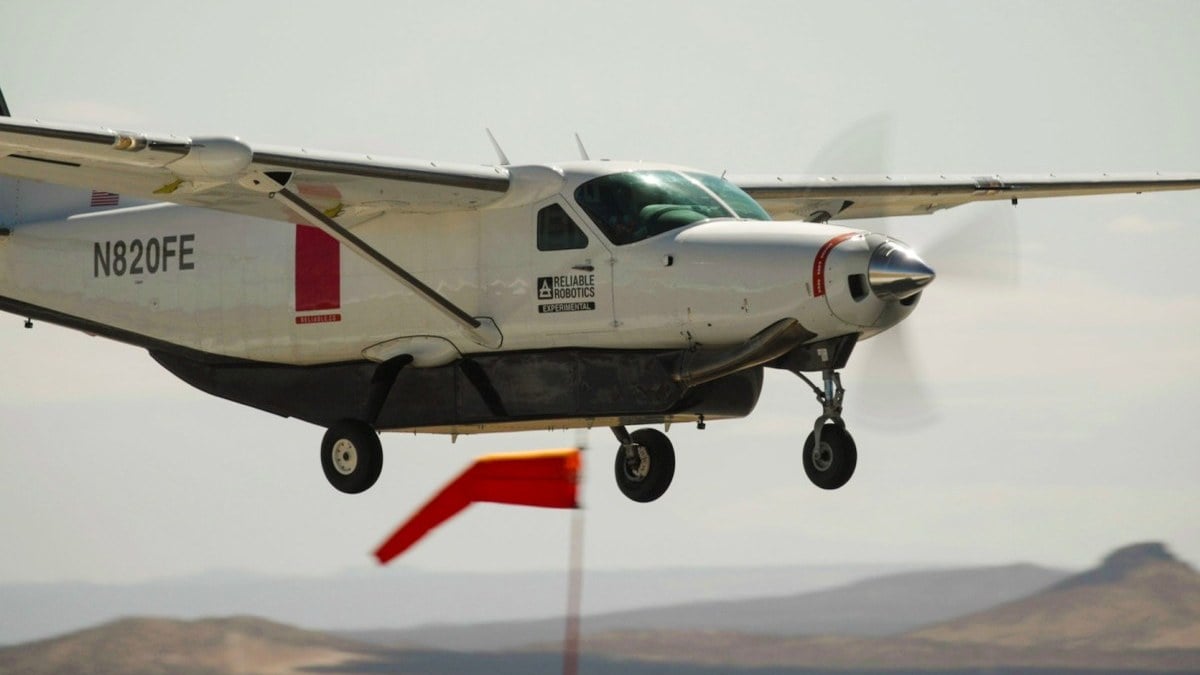
- What happens next: Beyond the funding headline, this startup is already an airline — flying six Cessna Caravans out of Albuquerque while it chases FAA certification on four fronts at once.
- Reliable Robotics raised $115 million in a Series D extension — $90 million in equity led by Nimble Partners and $25 million in debt from Silicon Valley Bank — bringing the round to $275 million and pushing its valuation past the $1 billion mark.
- Reliable Robotics is pursuing FAA certification on four tracks, with CEO Robert Rose targeting approval of its continuous autopilot engagement system — which handles startup, taxiing, takeoff and landing — within 18 to 24 months.
- Robert Rose, a former SpaceX director of flight software who also had stints at Tesla and Google, co-founded Reliable with CTO Juerg Frefel, a fellow SpaceX veteran who spent nearly a decade there as an engineer.
- Reliable Robotics built its own solid-state collision-avoidance radar in-house after legacy suppliers declined to take on the project; Rose says it scans at longer range and higher resolution than conventional systems and expects FAA certification by the end of 2027.
Why It Matters
Crossing $1B on $115M of new capital backs Reliable's autonomy-retrofit strategy for existing airframes, with FAA clocks already set: 18 to 24 months for the first autopilot, end of 2027 for the in-house solid-state radar. Nimble Partners' John Burbank argues that once that first approval lands, aviation follows the same autonomous arc the auto industry is on.
Sources Cited
Related Coverage
Ask SkimNews