This ‘adversarial’ pattern can prevent surveillance cameras from detecting you
The 30-Second Skim7 points
- What happenedCybersecurity researcher Bill Swearingen spent a year running 31 million tests to develop computer-generated patterns that scramble surveillance cameras' detection algorithms, successfully defeating systems from Flock, Axon, and Clearview AI in a real-world demo at Def Con.
- Key facts & numbersBill Swearingen ran 31 million tests over a year to develop computer-generated patterns through his noRecognition project that scramble surveillance cameras' object and face detection without blocking recording. The reinforcement learning model trains itself on which patterns succeed, generating new batches every minute that are "mathematically better than the last" and defeated all 11 open-source detection algorithms Swearingen tested. Swearingen's patterns were proven effective against software powering Flock license plate readers, Axon body-worn cameras, and cameras running Clearview AI facial recognition.
- What happens next31 million tests and the wheels still gave it away — adversarial fashion has a few blind spots left.
- Bill Swearingen ran 31 million tests over a year to develop computer-generated patterns through his noRecognition project that scramble surveillance cameras' object and face detection without blocking recording.
- The reinforcement learning model trains itself on which patterns succeed, generating new batches every minute that are "mathematically better than the last" and defeated all 11 open-source detection algorithms Swearingen tested.
- Swearingen's patterns were proven effective against software powering Flock license plate readers, Axon body-worn cameras, and cameras running Clearview AI facial recognition.
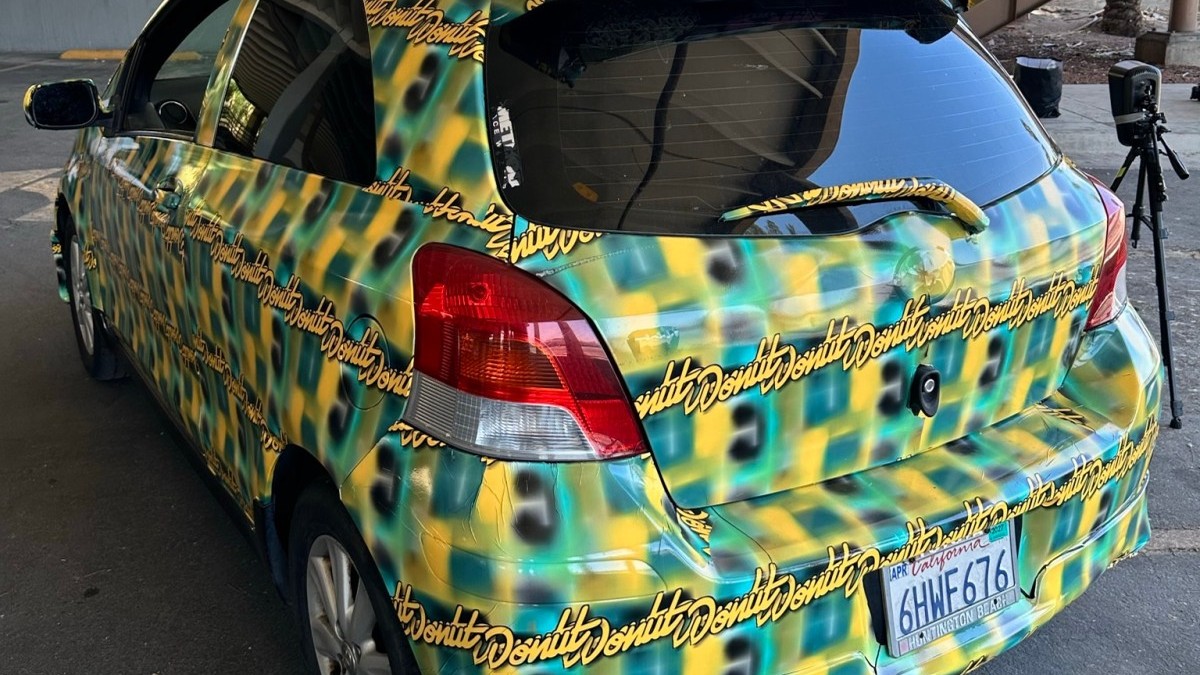
- Swearingen demonstrated the technology publicly at the Def Con cybersecurity conference in Las Vegas, covering a 2009 Toyota Yaris in one of his patterns and evading detection by a Flock camera, though the vehicle's wheels remained a challenge.
Why It Matters
The tool gives citizens a way to opt out of algorithmic surveillance that powers license plate readers, AI body cameras, and facial recognition used by law enforcement, but the real-world test showed the car's wheels were still detectable — proving evasion works against software but isn't yet seamless on vehicles.
Sources Cited
Related Coverage
Ask SkimNews
The day’s news in one short email, every morning.
Free. One email a day. Unsubscribe in one click.