Rivian rolls out RivianOS 2 unifying R1 and R2 software
The 30-Second Skim
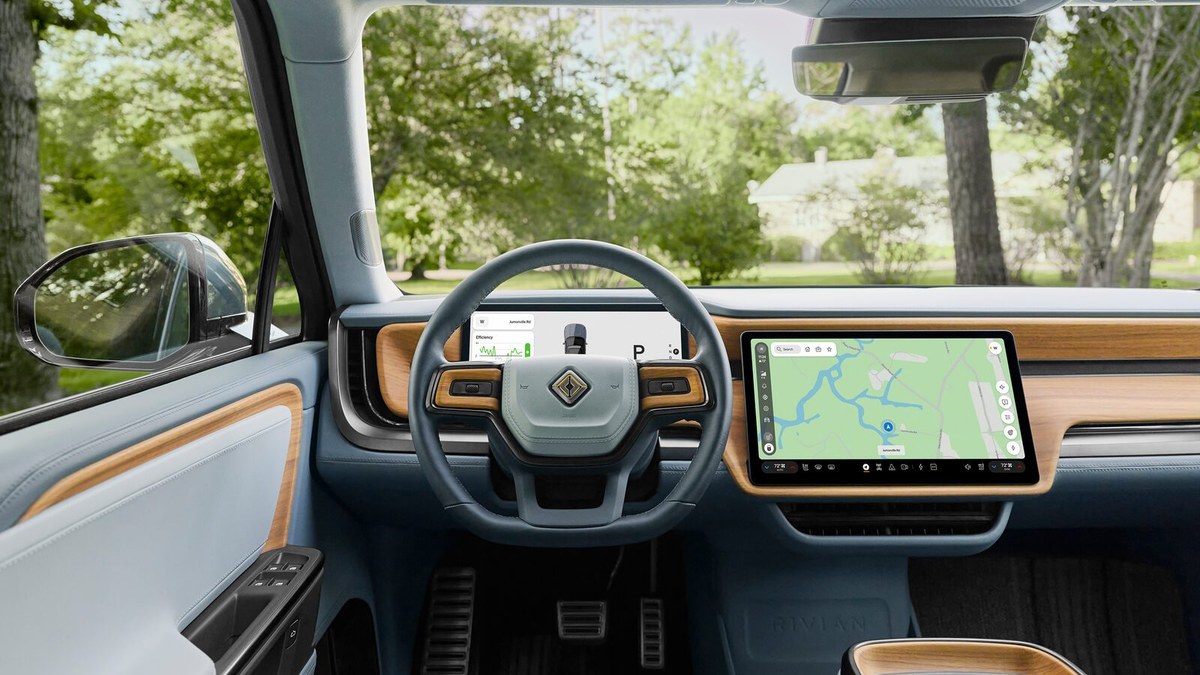
- What happened: Rivian is pushing RivianOS 2 (version 2026.31) to its vehicles, unifying first-gen R1s, second-gen R1s, and the R2 on a single software stack with Unreal Engine 5 graphics, AI-powered features, and a rebuilt interface.
- Key facts & numbers: Rivian rolled out RivianOS 2 (version 2026.31), its biggest in-car software overhaul since the R1 first shipped, putting first-gen R1, second-gen R1, and R2 vehicles on a single software stack RivianOS 2 uses Unreal Engine 5 for real-time 3D visualizations on the R2 and Gen 2 R1, while Gen 1 R1s stay on Unreal Engine 4 to keep screens responsive on older computing hardware Navigation now includes Real-Time Route Alerts folding police and speed-camera data into Google Maps, sourced from local authorities, third-party sources, and community contributions — a Waze-style approach
- What happens next: One stack, two graphics engines — Rivian unified the code while quietly leaving Gen 1 R1s on Unreal Engine 4. The Waze-style alerts via Google Maps are the sleeper hit.
- Rivian rolled out RivianOS 2 (version 2026.31), its biggest in-car software overhaul since the R1 first shipped, putting first-gen R1, second-gen R1, and R2 vehicles on a single software stack
- RivianOS 2 uses Unreal Engine 5 for real-time 3D visualizations on the R2 and Gen 2 R1, while Gen 1 R1s stay on Unreal Engine 4 to keep screens responsive on older computing hardware
- Navigation now includes Real-Time Route Alerts folding police and speed-camera data into Google Maps, sourced from local authorities, third-party sources, and community contributions — a Waze-style approach
- Connect+ subscription ($14.99/month or $149.99/year) gates two new features: a dedicated weather app with air quality and 10-day forecast, and Mobile Live Trips for managing active trips from the Rivian phone app
Why It Matters
The R2 is Rivian's volume play in a price range where buyers compare it to gas-powered rivals, so software polish is now existential rather than cosmetic — unifying the stack across Gen 1 R1, Gen 2 R1, and R2 means every vehicle benefits from the same feature pipeline, but older R1 owners are kept on Unreal Engine 4 and miss the visual upgrade.
Sources Cited
Related Coverage
Ask SkimNews