States Push AI Laws Forward Despite Trump's Executive
The 30-Second Skim
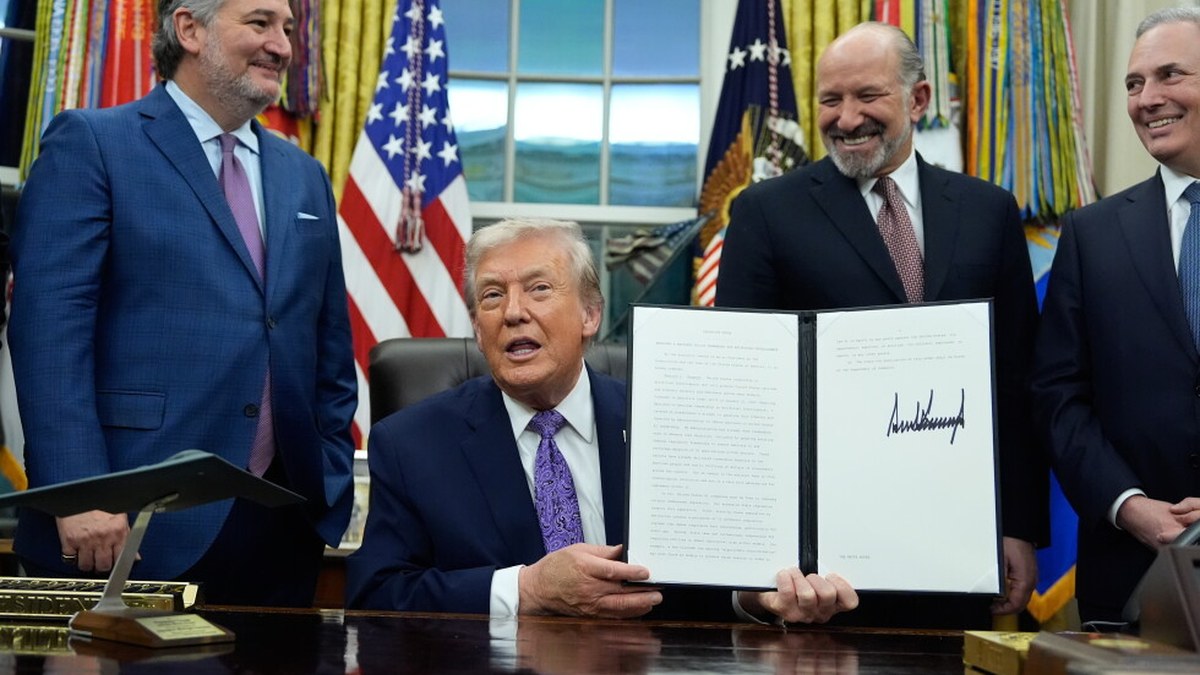
- What happened: Six months after President Trump issued an executive order to curb state AI regulation, states have introduced more AI bills than last year — with Illinois, Colorado, and Connecticut passing targeted laws on chatbot safety, catastrophe prevention, and algorithmic transparency.
- Key facts & numbers: Trump issued an executive order directing the attorney general to create a task force challenging state AI laws deemed "minimally burdensome" and threatened to restrict federal broadband and grant funding to states with AI laws, but the White House has taken no visible enforcement action. Illinois sent legislation to Democratic Gov. JB Pritzker's desk requiring AI developers to create catastrophe-prevention protocols and submit to independent auditor review of their own compliance — a step analysts call a move toward greater developer accountability. Colorado, Connecticut, Idaho, Iowa, Nebraska, and Oregon passed laws this year restricting how AI chatbots interact with people, especially minors; Connecticut's companion chatbot law bars bots from interacting with anyone under 18 unless programmed to discourage self-destructive behavior.
- What happens next: Trump's AI executive order had teeth on paper. Six months in, states are passing more bills than before, and the WH hasn't sued anyone. The deregulatory bluff got called.
- Trump issued an executive order directing the attorney general to create a task force challenging state AI laws deemed "minimally burdensome" and threatened to restrict federal broadband and grant funding to states with AI laws, but the White House has taken no visible enforcement action.
- Illinois sent legislation to Democratic Gov. JB Pritzker's desk requiring AI developers to create catastrophe-prevention protocols and submit to independent auditor review of their own compliance — a step analysts call a move toward greater developer accountability.
- Colorado, Connecticut, Idaho, Iowa, Nebraska, and Oregon passed laws this year restricting how AI chatbots interact with people, especially minors; Connecticut's companion chatbot law bars bots from interacting with anyone under 18 unless programmed to discourage self-destructive behavior.
- Colorado in May required companies using AI in employment, education, housing, or banking to notify people when AI influences a consequential decision about them, though the law was watered down from a stronger 2024 anti-discrimination measure under pressure from Democratic Gov. Jared Polis.
Why It Matters
Trump's executive order aimed to centralize AI rulemaking and protect an industry spending trillions, but the absence of federal action and any visible enforcement has left a vacuum that states — including Republican-led ones — are filling with fragmented but substantive rules on chatbot safety, hiring decisions, and catastrophe prevention.
Sources Cited
Related Coverage
Ask SkimNews