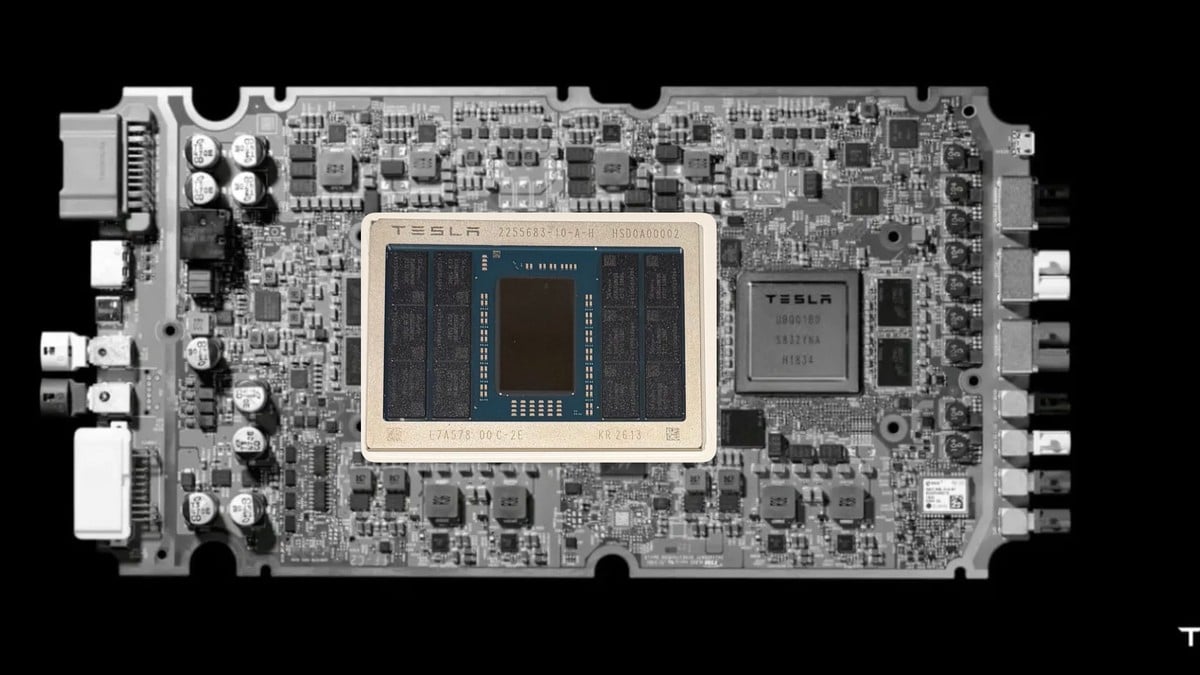
Tesla AI5 chip delayed for cars due to TSMC 3nm shortage
The 30-Second Skim3 points
- What happenedTesla will not deploy its next-generation AI5 chip in vehicles until 2028 due to constrained access to TSMC’s 3nm production, with initial chips directed to Optimus robots instead.
- Key facts & numbersTSMC’s 3nm capacity is prioritized for Google’s Axion and Microsoft’s server chips through 2027. Tesla’s AI5 supply will only support low-volume Optimus deployment before 2028.
- What happens nextTesla plans to begin using AI5 in Optimus robots around April 2027, with large-scale car integration expected after TSMC expands 3nm capacity in 2028.
Why It Matters
The bottleneck underscores how even well-funded tech leaders like Tesla are subject to semiconductor supply constraints, forcing strategic trade-offs. Prioritizing Optimus over cars reveals that robot development is now a critical path for Tesla’s AI ambitions, despite its smaller unit volume.
For cloud giants, securing early access to cutting-edge nodes reinforces their compute dominance. Tesla’s inability to secure wafers at scale highlights the growing power of TSMC and its design partners in shaping who gets to deploy next-gen AI hardware — and when.
How Outlets Are Framing It
- ElectrekFrames Musk’s claim that AI4 is 'enough' as a narrative cover for supply constraints, emphasizing Tesla’s chip rationing and cost-cutting as evidence of scarcity
Background & Timeline
Sources Cited
Related Coverage
Ask SkimNews
The day’s news in one short email, every morning.
Free. One email a day. Unsubscribe in one click.