Tesla App Code Hints at FSD Driver Identity Check
The 30-Second Skim
- What happened: Code strings in Tesla's latest iOS app update suggest the company is building a cabin-camera identity check that would block Full Self-Driving from engaging unless the person behind the wheel matches an authorized profile.
- Key facts & numbers: Tesla's iOS app version 4.58.5, built June 27, contains code strings (
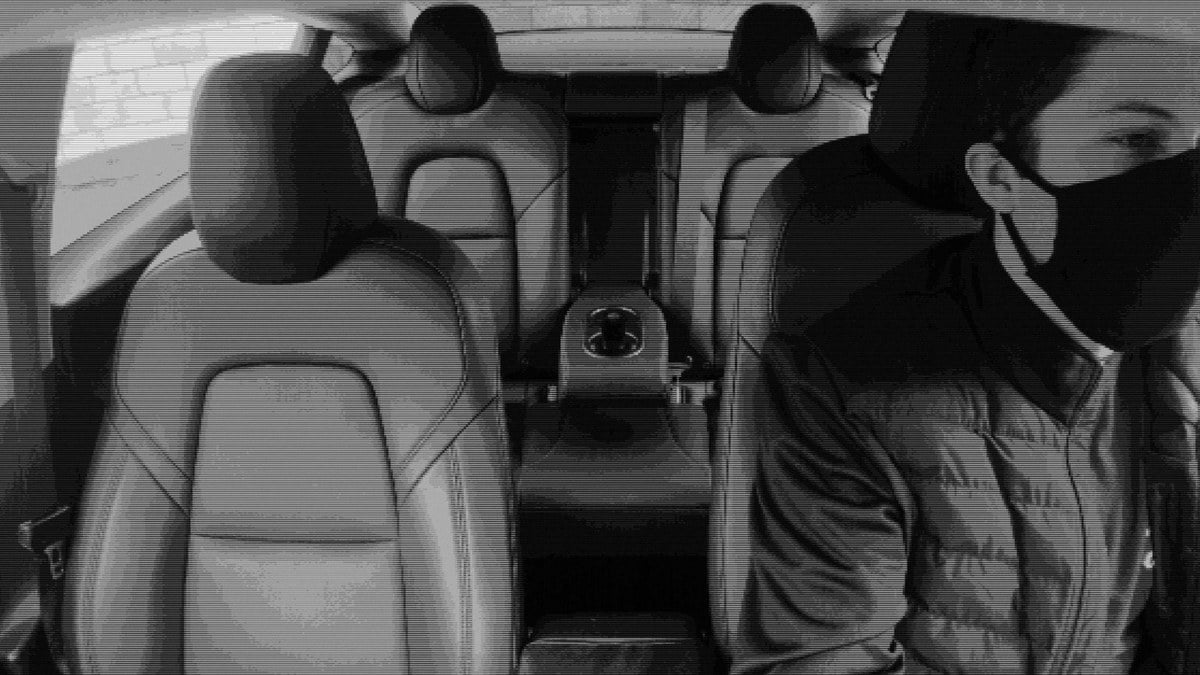
fsdIdentityCheckFailedTitleandshowFsdIdentityCheckFailedDialog) describing a flow where the cabin camera performs an identity check and blocks FSD on a mismatch, surfaced via an error dialog in the phone app. The findings come from a decompile published by @Tesla_App_iOS, which tracks new versions of the Tesla and Robotaxi apps; the strings are code rather than a shipped feature, and a live rollout would also require a corresponding vehicle firmware update. Tesla activated cabin-camera driver monitoring in 2021 and made the camera above the rearview mirror the primary attention monitor with FSD v12.4 in 2024, tracking face and eyes instead of steering-wheel torque — but identity verification is a different job, a permission gate rather than a safety nag. - What happens next: App code strings like
fsdIdentityCheckFailedTitlehint FSD could soon refuse to start unless the face behind the wheel matches the account holder. - Tesla's iOS app version 4.58.5, built June 27, contains code strings (
fsdIdentityCheckFailedTitleandshowFsdIdentityCheckFailedDialog) describing a flow where the cabin camera performs an identity check and blocks FSD on a mismatch, surfaced via an error dialog in the phone app. - The findings come from a decompile published by @Tesla_App_iOS, which tracks new versions of the Tesla and Robotaxi apps; the strings are code rather than a shipped feature, and a live rollout would also require a corresponding vehicle firmware update.
- Tesla activated cabin-camera driver monitoring in 2021 and made the camera above the rearview mirror the primary attention monitor with FSD v12.4 in 2024, tracking face and eyes instead of steering-wheel torque — but identity verification is a different job, a permission gate rather than a safety nag.
- FSD is now sold as a subscription, and tying activation to an authorized profile would let Tesla lock the paid feature to the account holder — relevant for rentals, shared and fleet vehicles, and keeping unauthorized drivers from switching the system on.
Why It Matters
The code reframes FSD activation from a safety question (is the driver watching the road?) to a permissions question (is this person authorized?) — which lets Tesla enforce its subscription model across rentals, fleets, and a future Robotaxi service. Because the cabin camera is standard RGB hardware with the same lighting-and-obstruction blind spots Tesla's own manual flags, the gate may be soft in practice, limiting how effectively it can restrict access to the feature.
Sources Cited
Related Coverage
Ask SkimNews