Only 2.2% of consumers pay for AI
The 30-Second Skim
- What happened: The latest wave of consumer AI products — Meta's Muse, OpenAI's Dots, and Instinct — is winning users, but industry data shows only 2.2% of consumers pay for AI services, and the technology's high operating costs leave enterprise as the only viable path to profitability.
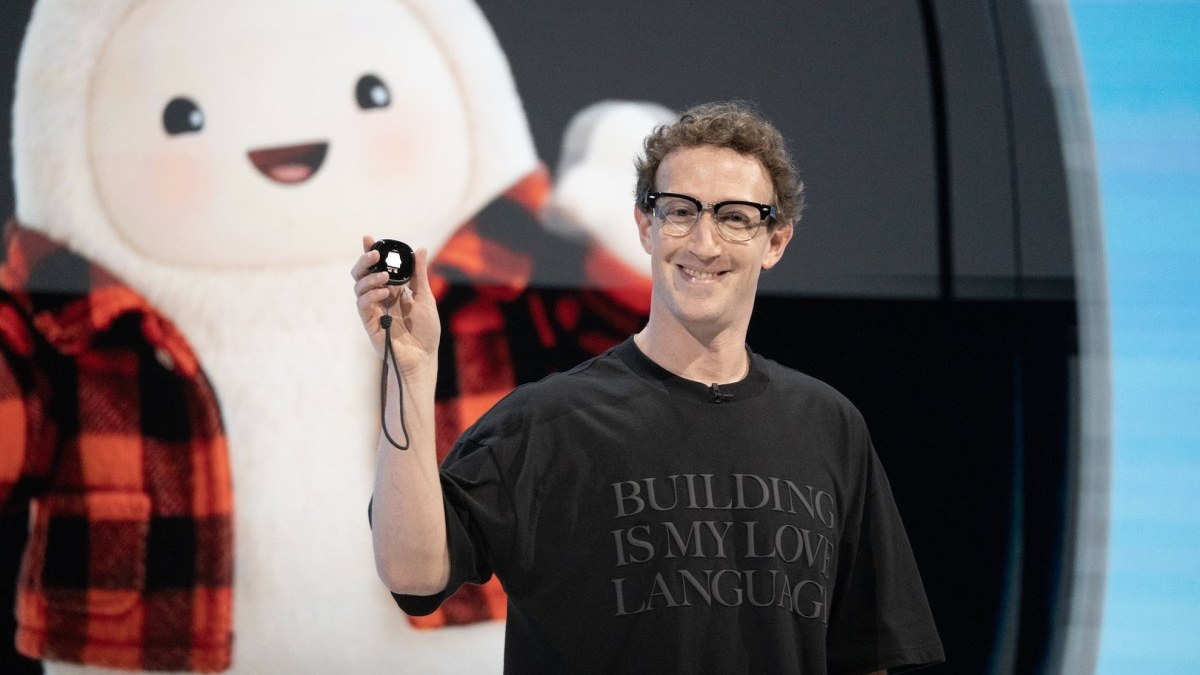
- Key facts & numbers: Meta's Muse personal AI assistant and its plush mascot Jolly have become surprise hits, while the newly launched Dots from OpenAI appears to chase the same cartoony personal assistant concept Instinct assistant reached a $10 billion valuation on the strength of agentic errand-running — booking travel, making restaurant reservations, and cancelling subscriptions PNC research cited in Andreessen Horowitz's semiannual State of Markets report found that as of May, just 2.2% of consumers paid for AI at an average of $31 per month, with growth tracking linearly rather than accelerating
- Meta's Muse personal AI assistant and its plush mascot Jolly have become surprise hits, while the newly launched Dots from OpenAI appears to chase the same cartoony personal assistant concept
- Instinct assistant reached a $10 billion valuation on the strength of agentic errand-running — booking travel, making restaurant reservations, and cancelling subscriptions
- PNC research cited in Andreessen Horowitz's semiannual State of Markets report found that as of May, just 2.2% of consumers paid for AI at an average of $31 per month, with growth tracking linearly rather than accelerating
- Bank of America reported in March that roughly 3% of US consumers paid for AI, up 40% from the previous year
Why It Matters
With only 2.2-3% of consumers paying for AI and unusually expensive operating costs, pure consumer plays max out around $11B annually — less than a third of OpenAI's operating costs. Whoever cracks enterprise (OpenAI), personalized ads (Meta), or transaction cuts (Instinct) breaks through the ceiling; everyone else burns capital chasing a consumer market that doesn't pay.
Sources Cited
- TechCrunch — The ugly economics of consumer AI
Related Coverage
Ask SkimNews