Tribeca AI Films Show Bespoke Models Beat Vanilla
The 30-Second Skim7 points
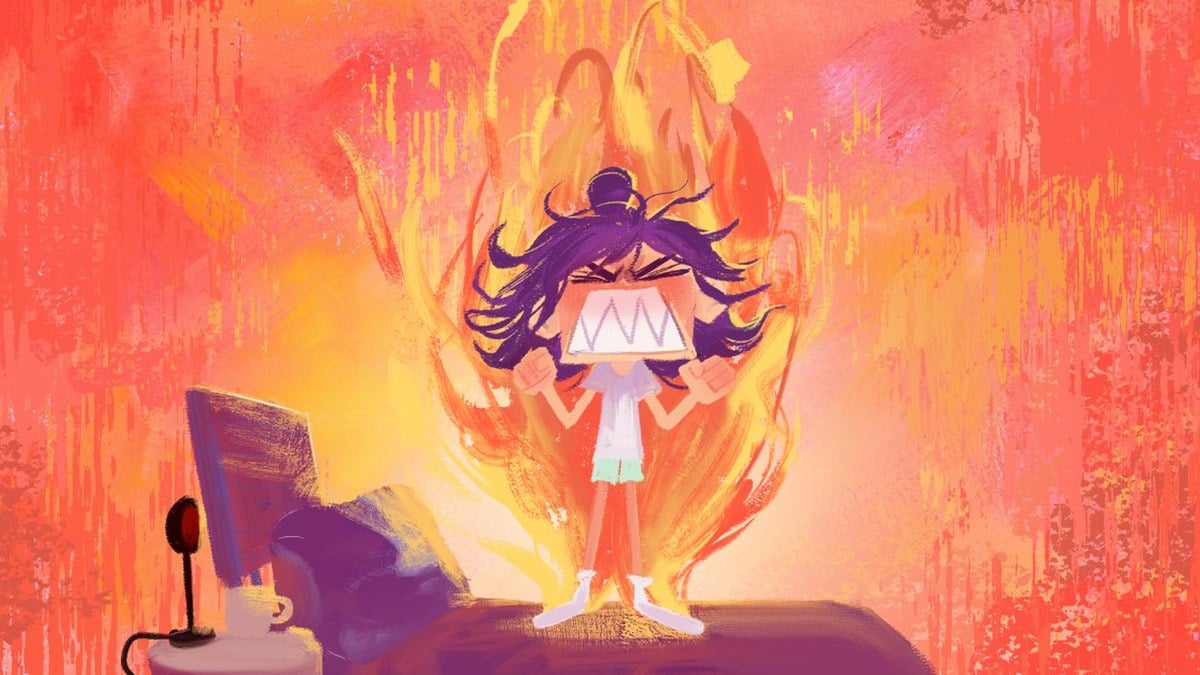
- What happenedAI-powered films at this year's Tribeca Film Festival showed that generative video's real promise for Hollywood lies in bespoke, human-guided workflows rather than vanilla prompt-to-video models, with Google DeepMind's 'Dear Upstairs Neighbors' standing out as the strongest case study.
- Key facts & numbersGoogle DeepMind's "Dear Upstairs Neighbors" — written and directed by Pixar veteran Connie Qin He — used custom versions of Veo and Imagen trained on production designer Yingzong Xin's concept art, combined with Autodesk Maya roughs, to produce visually consistent footage that vanilla models could not. OpenAI's Tribeca films "Smoked" and "Mauvais Soleil" exposed the visual limitations of off-the-shelf gen AI video: wide shots in the Palisades Fire recreation looked cartoony, and most Mauvais Soleil shots last only a few seconds, though the source notes those constraints sometimes read as deliberate artistic choices. OpenAI recently shut down Sora entirely, a move that caused the feature-length AI film "Critterz" to miss its planned debut at the Cannes Film Festival, hinting at a strategic pullback from video applications.
- What happens nextGoogle DeepMind's Tribeca short worked because they trained custom models on one artist's concept art. The slop everyone else made? Prompt-and-pray. That's the whole story.
- Google DeepMind's "Dear Upstairs Neighbors" — written and directed by Pixar veteran Connie Qin He — used custom versions of Veo and Imagen trained on production designer Yingzong Xin's concept art, combined with Autodesk Maya roughs, to produce visually consistent footage that vanilla models could not.
- OpenAI recently shut down Sora entirely, a move that caused the feature-length AI film "Critterz" to miss its planned debut at the Cannes Film Festival, hinting at a strategic pullback from video applications.
- Ash Koosha's "Dreams of Violets" — a docudrama about nationwide protests in Iran — was produced singlehandedly in a few weeks for roughly $2,000 in computing costs using Kling AI, Claude, Gemini, and Nano Banana.
- Illuminai Studios' "Roar" and Asteria Film Co.'s "ChikaBOOM!" illustrated the pitfalls of AI-forward production pipelines, reading more like disorienting montages of generated clips than cohesive cinema.
Why It Matters
The Tribeca results undercut the premise that off-the-shelf gen AI video tools can produce watchable cinema, and OpenAI's shuttering of Sora signals that even the biggest labs are struggling to commercialize raw prompt-to-video. Studios that want generative video will likely have to pay for customized models and human-led workflows, giving firms like Google DeepMind a structural advantage as indispensable infrastructure partners rather than plug-and-play vendors.
Sources Cited
Related Coverage
Ask SkimNews
The day’s news in one short email, every morning.
Free. One email a day. Unsubscribe in one click.