Trump Pushes AI Hub in Philippines Amid Land Rights Clash
The 30-Second Skim
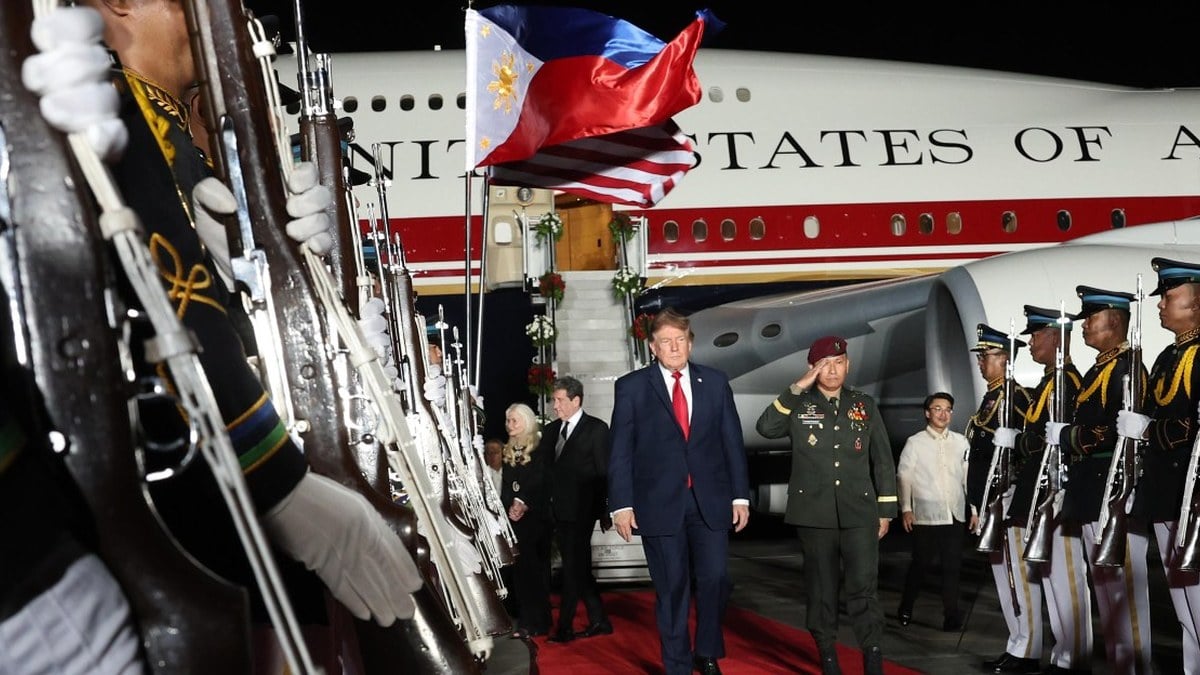
- What happened: President Donald Trump visited the Philippines to promote a joint AI and semiconductor hub at the former Clark Air Base, part of the US-led Pax Silica initiative. The project faces backlash from Indigenous groups and farmers fearing displacement and environmental harm.
- Key facts & numbers: The proposed hub spans 1,620 hectares (4,000 acres) on public land once part of a US military base. BCDA projects $1 billion USD in lease revenue over 25 years, with a framework deal expected by year-end 2026.
- What happens next: A framework agreement between the US and Philippines for the Pax Silica Economic Security Zone is expected by the end of 2026, pending final negotiations and corporate commitments under non-disclosure agreements.
Why It Matters
This project reflects a growing trend of wealthier nations outsourcing high-tech infrastructure to lower-income countries, raising ethical and environmental justice concerns. The displacement of Indigenous communities and use of unproven 'clean' tech claims echo historical patterns from Silicon Valley’s polluting past.
The hub could reshape US-Philippine economic and security ties, but its success hinges on transparency and consent. If local opposition grows, it may fuel regional resistance to Pax Silica, undermining US efforts to build a China-resistant tech supply chain through diplomatic and corporate leverage.
How Outlets Are Framing It
- [The Verge / Tech Ethics Lens]: Focuses on colonial echoes, environmental risks, and corporate opacity, framing the hub as a modern land grab masked as technological progress.
- [MIT Technology Review / Geopolitical Tech Lens]: Emphasizes supply chain resilience and US-China tech rivalry, positioning Pax Silica as strategic infrastructure for AI dominance.
- [Regional Human Rights Press / Justice Lens]: Highlights Indigenous displacement and broken land rights promises, stressing that 'development' must not override ancestral sovereignty.
Background & Timeline
- July 2026: BCDA President Joshua Bingcang revealed talks with 30 companies for the Clark AI hub, citing interest from US tech and energy firms under NDA.
- 1994: The Aeta Hungey tribe began seeking legal recognition of their ancestral domain, a claim still unresolved as of 2026.
Sources Cited
- The Verge — Trump’s latest land grab is an AI hub in the Philippines
- MIT Technology Review — MIT Technology Review
Related Coverage
Ask SkimNews