Uber's AV Lab collects robotaxi data from ridehail trips
The 30-Second Skim
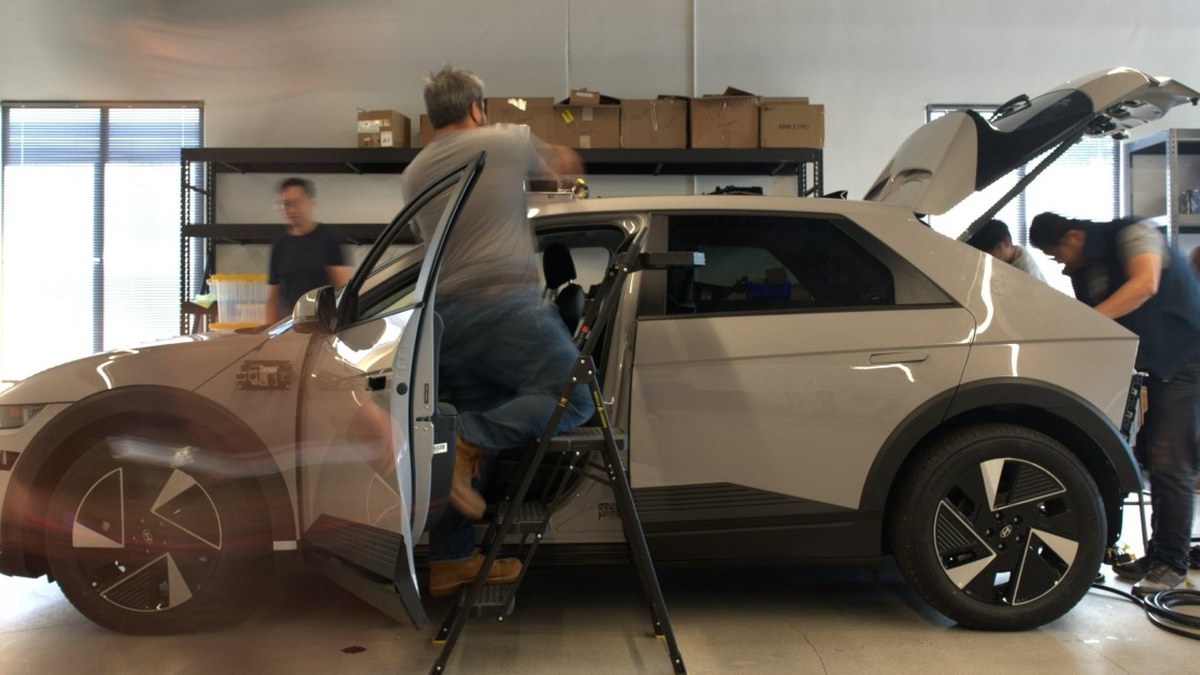
- What happened: Uber is deploying its own sensor-equipped vehicles on its ridehail network to collect autonomous-driving data for its robotaxi partners, marking a return to the road for Uber's self-driving cars — though the cars will be manually driven and will not operate as robotaxis themselves.
- Key facts & numbers: Uber launched its AV Lab, putting sensor-equipped vehicles (cameras, lidar, radar) on its ridehail network to gather data for its dozens of robotaxi partners; the cars are manually driven, complete regular Uber trips, and generate revenue along the way. Balaji Krishnamurthy, Uber's CFO, said on X the fleet will produce at least 2 million miles of data per month by year's end, scaling further in 2027, and theorized that AV operators need at least 10 million miles to reach their first public driverless launch. Uber sold its AV division in 2020 after one of its self-driving cars killed a woman in Tempe, Arizona, then pivoted to acting as a platform for AV startup partners rather than developing the technology itself.
- What happens next: Uber's own AVs are back on the road five years after the Tempe fatality — but this time they're cargo, not the product. Free data for the little guys.
- Uber launched its AV Lab, putting sensor-equipped vehicles (cameras, lidar, radar) on its ridehail network to gather data for its dozens of robotaxi partners; the cars are manually driven, complete regular Uber trips, and generate revenue along the way.
- Balaji Krishnamurthy, Uber's CFO, said on X the fleet will produce at least 2 million miles of data per month by year's end, scaling further in 2027, and theorized that AV operators need at least 10 million miles to reach their first public driverless launch.
- Uber sold its AV division in 2020 after one of its self-driving cars killed a woman in Tempe, Arizona, then pivoted to acting as a platform for AV startup partners rather than developing the technology itself.
- The AV Lab data will be provided free to partners including Wayve, WeRide, Nuro, and Waabi, a move the source frames as an acknowledgment that many AV developers lack the cash reserves of leaders like Waymo and Tesla.
Why It Matters
Uber's return to running its own autonomous-equipped vehicles is a sharp strategic reversal after exiting AV development in 2020 following the Tempe fatality. By providing free, high-volume driving data (targeting 2 million miles monthly) to cash-constrained partners like Wayve, WeRide, Nuro, and Waabi, Uber cements itself as the indispensable platform layer in robotaxi — earning revenue from ridehail trips on the same fleet that subsidizes partners competing with Waymo and Tesla.
Sources Cited
Related Coverage
Ask SkimNews