Ann Arbor installs solar + batteries on 150 homes
The 30-Second Skim7 points
- What happenedAnn Arbor’s city‑run Sustainable Energy Utility is piloting a first‑of‑its‑kind residential solar‑plus‑battery program, installing systems on 150 homes in the Bryant neighborhood to slash utility costs and boost grid resilience. The initiative, powered by FranklinWH and coordinated by Texture, aims to scale to 1,000 homes by 2027, offering a template for other cities.
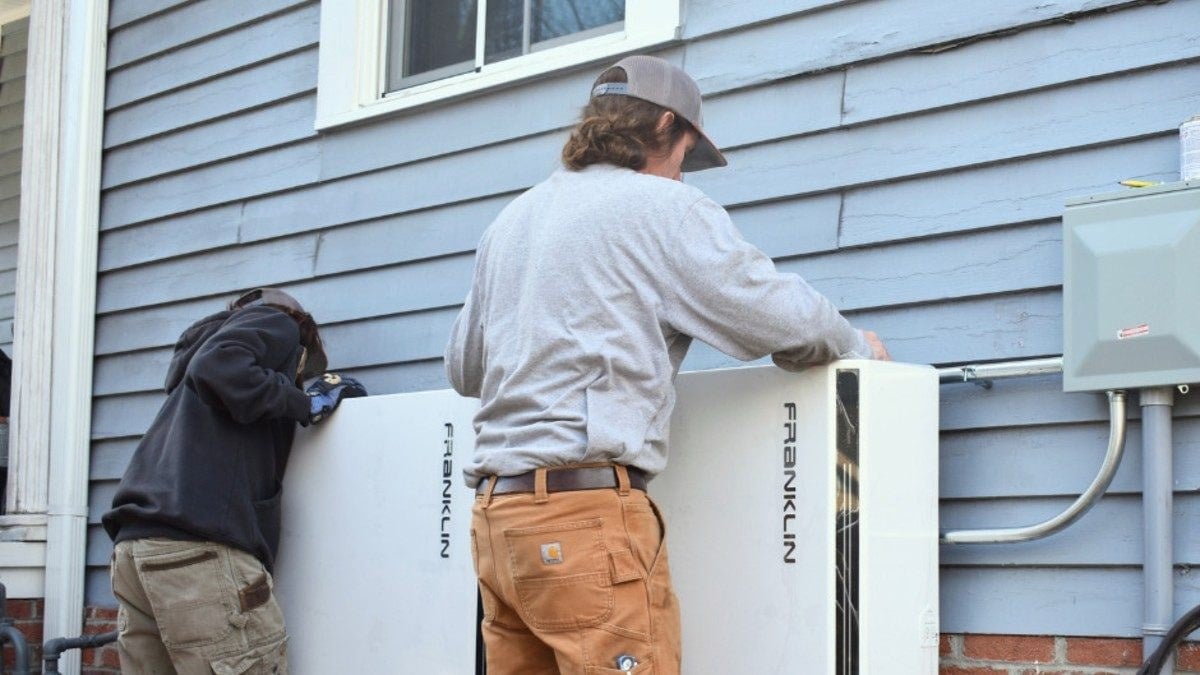
- Key facts & numbersAnn Arbor launches a city-owned utility pilot installing solar and battery systems on 150 homes in the Bryant neighborhood, targeting low‑income households that spend over a third of income on utility bills. A2SEU plans to expand the program to 1,000 homes by 2027 and eventually several thousand homes annually, creating a scalable model for other municipalities. FranklinWH will provide the solar‑plus‑storage hardware, including its aPower S battery, and will manage the coordinated virtual power plant via its distributed energy management software.
- What happens nextA city actually buying and installing solar + batteries for its own residents? That’s a real‑world VPP in the making.
- Ann Arbor launches a city-owned utility pilot installing solar and battery systems on 150 homes in the Bryant neighborhood, targeting low‑income households that spend over a third of income on utility bills.
- A2SEU plans to expand the program to 1,000 homes by 2027 and eventually several thousand homes annually, creating a scalable model for other municipalities.
- FranklinWH will provide the solar‑plus‑storage hardware, including its aPower S battery, and will manage the coordinated virtual power plant via its distributed energy management software.
- Texture will link the installed systems into a unified resource that can support grid reliability and demand response, leveraging its software platform.
Why It Matters
Low‑income Ann Arbor residents will see bills drop as 150 homes gain solar‑plus‑battery kits, while the city’s grid gains distributed storage that can shave peak‑demand costs and improve outage resilience.
Background & Timeline
- Editor contextLocal energy utilities are leveraging residential solar-plus-battery installations as a distributed, community-level approach to grid modernization and cost reduction, rather than relying solely on large-scale infrastructure projects.
Sources Cited
- Solar Power WorldAnn Arbor utility deploying solar + storage systems on local homes
Related Coverage
Ask SkimNews