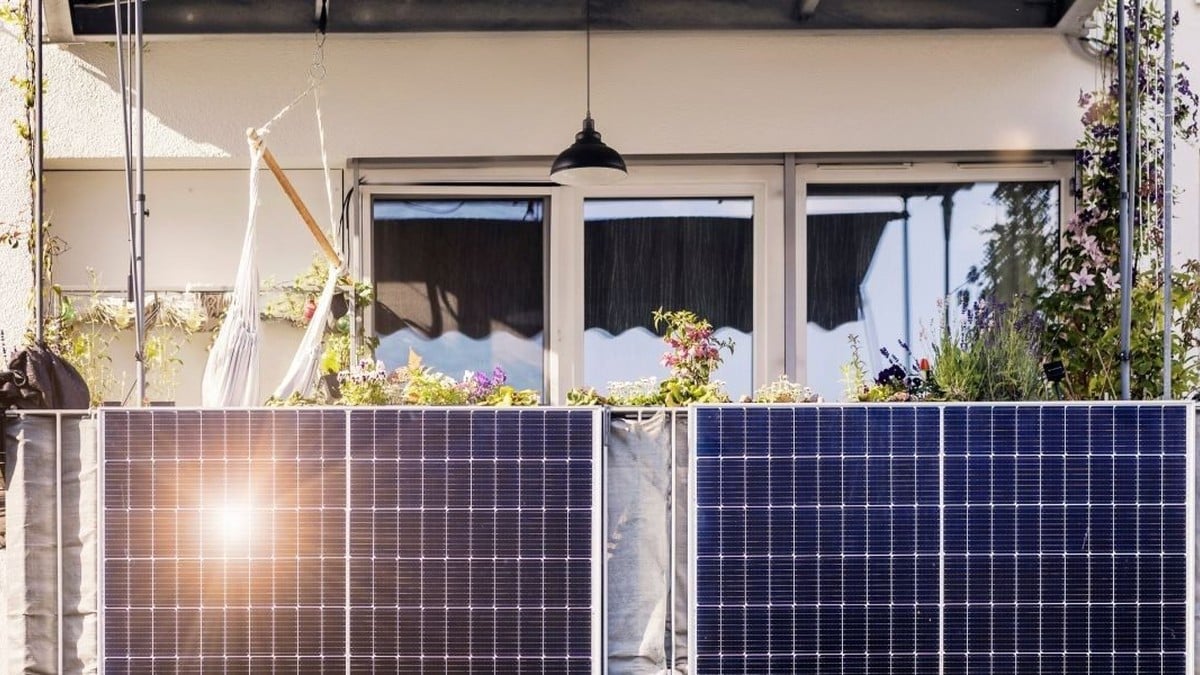
California legalizes plug-in balcony solar
The 30-Second Skim7 points
- What happenedCalifornia Governor Gavin Newsom signed three home energy bills on September 30, legalizing plug-in balcony solar up to 1,200 watts per household, expanding virtual power plants, and requiring utilities to publish grid usage data to curb rising bills.
- Key facts & numbersGovernor Gavin Newsom signed three home energy bills on September 30, including SB 868 (Plug and Play Solar Act), SB 913 (Clean Local Power Act), and SB 905, expanding consumer solar access and grid efficiency in California. SB 868, the Plug and Play Solar Act authored by state Senator Scott Wiener, legalizes balcony solar systems up to 1,200 watts AC per household that plug into standard 120v outlets, and bars utilities from requiring interconnection agreements, advance approval, or device-related fees (those exemptions expire January 1, 2030). Qualifying plug-in systems must be certified by Underwriters Laboratories or an equivalent testing lab, comply with electrical codes, and include anti-islanding protection to prevent feeding electricity into the grid during an outage.
- What happens nextThe 2030 sunset on the utility exemption is the buried detail—if balcony solar takes off, expect utilities to lobby hard before that deadline hits.
- Governor Gavin Newsom signed three home energy bills on September 30, including SB 868 (Plug and Play Solar Act), SB 913 (Clean Local Power Act), and SB 905, expanding consumer solar access and grid efficiency in California.
- SB 868, the Plug and Play Solar Act authored by state Senator Scott Wiener, legalizes balcony solar systems up to 1,200 watts AC per household that plug into standard 120v outlets, and bars utilities from requiring interconnection agreements, advance approval, or device-related fees (those exemptions expire January 1, 2030).
- Qualifying plug-in systems must be certified by Underwriters Laboratories or an equivalent testing lab, comply with electrical codes, and include anti-islanding protection to prevent feeding electricity into the grid during an outage.
- SB 913, the Clean Local Power Act by state Senator Josh Becker, directs California regulators to improve pathways for virtual power plants—coordinated home batteries, EVs, and smart thermostats—to count toward utilities' reliability requirements, with a compliance deadline of June 30, 2028.
Why It Matters
Renters and apartment dwellers—previously shut out of home solar—now have a low-friction path to generate up to 1,200 watts from a plug-in balcony system, with utilities stripped of approval and fee authority until 2030. The companion virtual power plant and grid transparency laws simultaneously force utilities to compete with home batteries and EVs for reliability obligations, potentially lowering bills for millions of Californians.
Sources Cited
Related Coverage
Ask SkimNews
The day’s news in one short email, every morning.
Free. One email a day. Unsubscribe in one click.