Congress Moves to Fast-Track Energy Projects Amid Climate
The 30-Second Skim
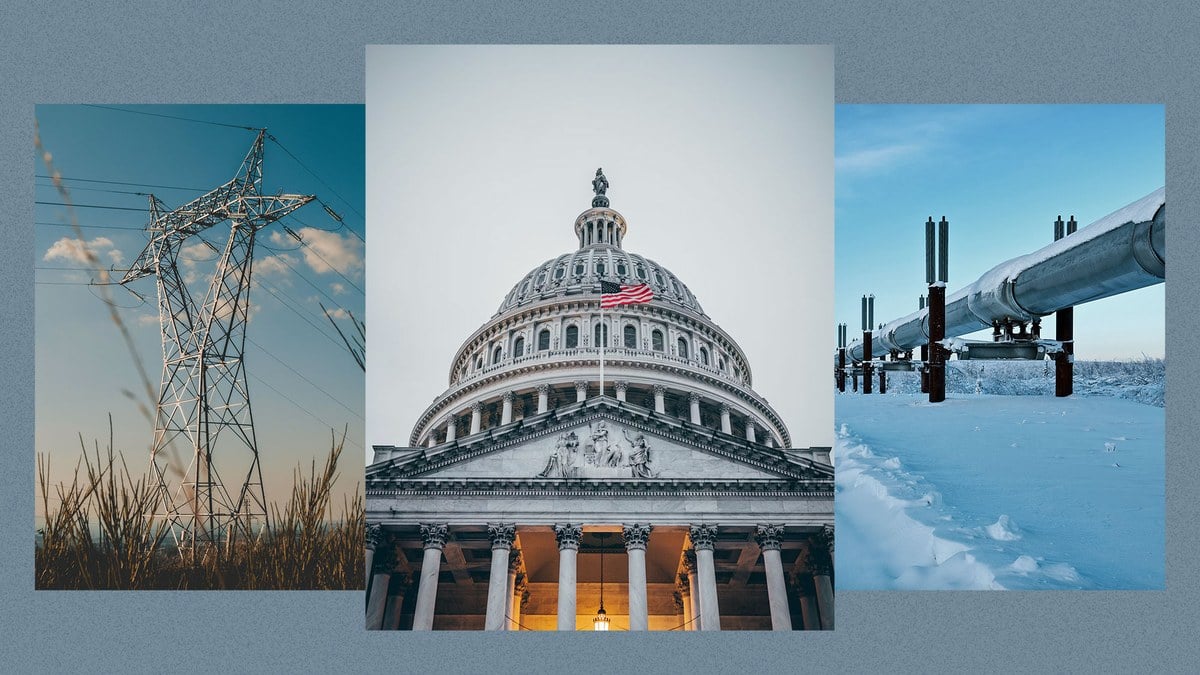
- What happened: The U.S. Senate advanced the Bipartisan American Affordability and Jobs Act (BAAJA), aimed at speeding federal permitting for energy and infrastructure projects. The bill would limit legal challenges, expedite reviews, and boost federal authority over interstate power lines.
- Key facts & numbers: The SunZia wind and transmission project in New Mexico took two decades to complete, with tribal concerns unresolved despite June 2026 completion. Rhodium Group projects renewable deployment will accelerate under BAAJA, with modest emissions reductions even if gas use continues.
- What happens next: The bill must pass the House and be signed by the president to become law. If approved, it would take effect in 2027, reshaping federal permitting for energy, transportation, and transmission projects nationwide.
Why It Matters
The bill could lower electricity costs and help states meet clean energy targets by expanding transmission and enabling renewable growth. Faster permitting may also encourage private investment in grid infrastructure, particularly benefiting solar and wind developers facing long delays.
However, limiting NEPA and Clean Water Act reviews risks marginalizing tribal sovereignty and environmental oversight. Critics warn it could entrench fossil fuel infrastructure and reduce accountability, making future climate policy harder to implement despite short-term emissions gains from renewables.
How Outlets Are Framing It
- [Grist / Climate & Equity Lens]: Focuses on trade-offs between climate progress and tribal rights, emphasizing risks of weakening NEPA and community input in permitting.
- [The Guardian / Political Process Lens]: Highlights Senate momentum and bipartisan support, framing the bill as a breakthrough in long-stalled infrastructure reform.
- [NYT / Economic & Tech Lens]: Stresses impacts on data centers, including new costs for grid use and opportunities for cleaner energy integration.
Background & Timeline
- June 2026: SunZia transmission line completed in New Mexico after two decades, yet legal disputes with tribes persist over historic site impacts.
- 1969: National Environmental Policy Act (NEPA) enacted, requiring federal environmental reviews that now underpin permitting delays and legal challenges.
Sources Cited
Related Coverage
Ask SkimNews