US bill aiming to boost clean energy could backfire
The 30-Second Skim
- What happened: A bipartisan permitting overhaul has won Senate approval and is headed to the House, where its clean-energy acceleration, fossil-fuel shortcuts and uncertain path under Trump’s likely veto define the next fight.
- Key facts & numbers: BAAJA passed the Senate and will go to the House; the 400-page bill is backed by Republicans, Trump and many Democrats, and author Sheldon Whitehouse calls it the country’s “biggest implemented climate bill.” Rawlins, Wyoming hosts a 600-turbine wind farm whose roads and pads are being built after 18 years of permitting, while even simpler projects now typically wait five years to connect to the grid. BAAJA would let the federal government override state objections and require the grid’s three regions to plan transmission jointly, while narrowing environmental challenges under laws such as the Clean Water Act and in some cases bypassing lower district courts.
- What happens next: The sleeper is that the “clean energy” bill is also a shortcut for gas, pipelines, coal mines and data centres, with weaker state and environmental checks built in.
- BAAJA passed the Senate and will go to the House; the 400-page bill is backed by Republicans, Trump and many Democrats, and author Sheldon Whitehouse calls it the country’s “biggest implemented climate bill.”
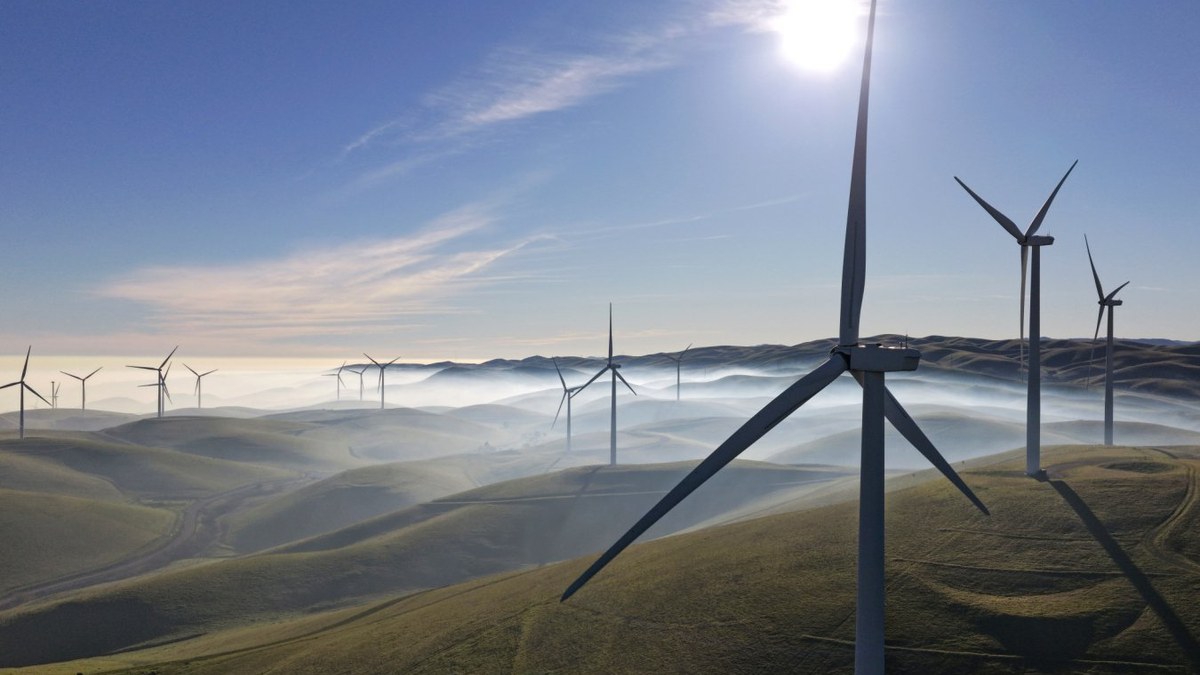
- Rawlins, Wyoming hosts a 600-turbine wind farm whose roads and pads are being built after 18 years of permitting, while even simpler projects now typically wait five years to connect to the grid.
- BAAJA would let the federal government override state objections and require the grid’s three regions to plan transmission jointly, while narrowing environmental challenges under laws such as the Clean Water Act and in some cases bypassing lower district courts.
- Al Gore called BAAJA a “serious mistake” as the climate movement split over the bill; the American Petroleum Institute separately sent a BAAJA-branded food truck to Capitol Hill to distribute free tacos.
Why It Matters
BAAJA’s proposed bargain gives renewable developers a faster route through a grid queue containing more than 2,000 gigawatts, most of it renewable, while gas, pipeline and coal interests gain parallel approval shortcuts and weaker state and environmental objections. The measurable divide is stark: Rhodium Group models a 0–4% emissions cut, while Purdue modelling finds a 2% increase.
Sources Cited
- New Scientist — US bill aiming to boost clean energy could backfire
Related Coverage
Ask SkimNews