Climate change hits Midlands with fires, drought, disease
The 30-Second Skim
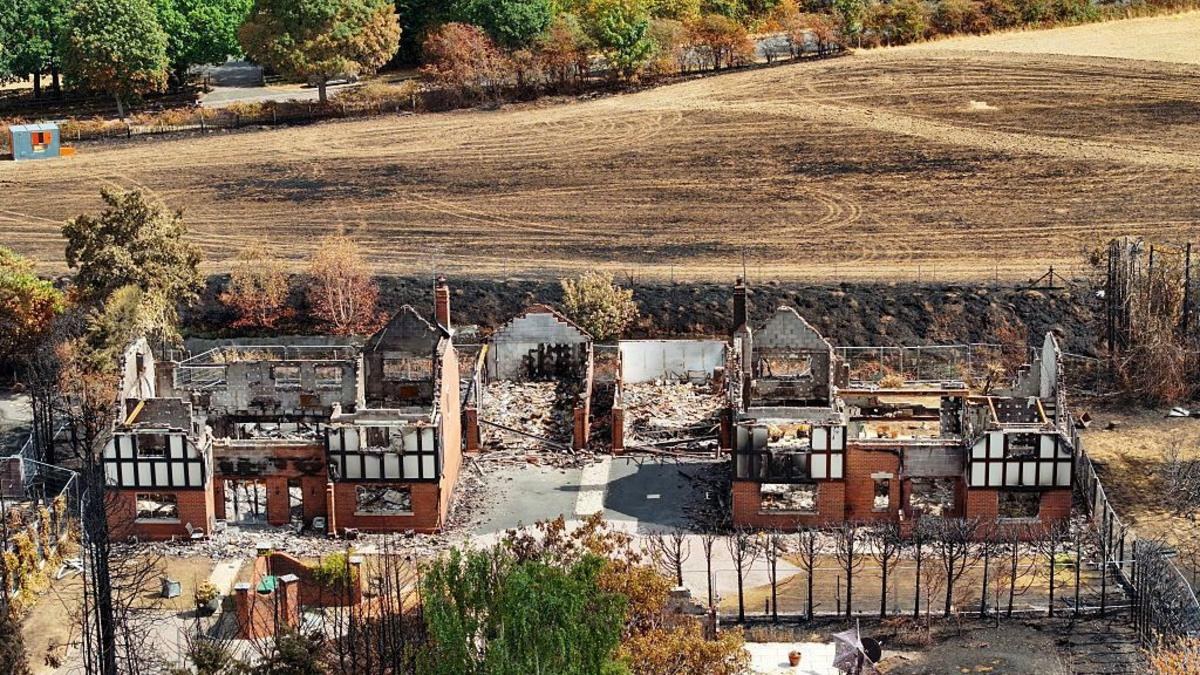
- What happened: In the Midlands, extreme weather and ecological disruptions in 2026 — from relentless rain to drought, wildfires, and disease-carrying midges — are making climate change feel viscerally real for residents, as communities and agencies respond to mounting environmental and economic costs.
- Key facts & numbers: Midlands experienced a winter of unrelenting rain followed by severe drought and repeated heatwaves in 2026, creating conditions for widespread wildfires and ecological damage Cannock Chase suffered wildfires that scorched vegetation, killed wildlife including adders and ground-nesting bird eggs, and altered soil chemistry, favoring invasive bracken over native heather and bilberry Bluetongue disease, carried by midges expanding north due to warming temperatures, reached the Midlands with 24 confirmed cases in Staffordshire and additional outbreaks across five counties by 2 September
- What happens next: Wildfires, poisoned soil, dead birds, livestock disease — this isn’t a forecast, it’s what already burned through the Midlands in 2026.
- Midlands experienced a winter of unrelenting rain followed by severe drought and repeated heatwaves in 2026, creating conditions for widespread wildfires and ecological damage
- Cannock Chase suffered wildfires that scorched vegetation, killed wildlife including adders and ground-nesting bird eggs, and altered soil chemistry, favoring invasive bracken over native heather and bilberry
- Bluetongue disease, carried by midges expanding north due to warming temperatures, reached the Midlands with 24 confirmed cases in Staffordshire and additional outbreaks across five counties by 2 September
- Farmers across the region are adapting to climate-driven threats by changing animal management practices and considering costly vaccinations against newly established diseases like bluetongue
Why It Matters
The cumulative effect of extreme weather, ecosystem disruption, and new agricultural threats is forcing local governments, farmers, and utilities in the Midlands to spend money and restructure operations now, confirming Met Office warnings that climate change impacts are no longer theoretical but actively reshaping regional infrastructure and ecology.
Sources Cited
- BBC Environment — How this summer may have been when climate change felt real
- BBC — How this summer may have been when climate change felt real
- bbc.com — The clues that hint our planet might be heating faster than we realised
- economist.com — The world may have less time than it thinks on climate change
- Le Monde.fr — Summer 2026 becomes, by far, the hottest ever recorded in France: 'Beating the record by almost 1°C in a single season is huge'
- MIT Technology Review — What’s behind this summer’s heat, and why 2027 could be worse
Related Coverage
Ask SkimNews