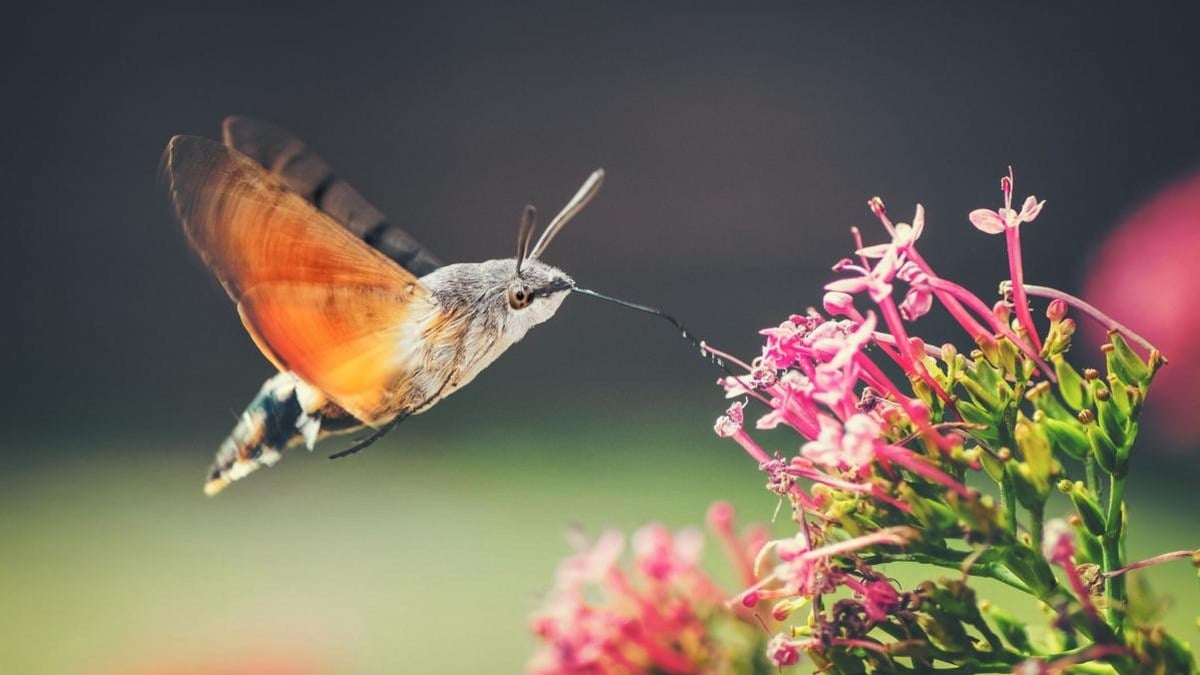
Hummingbird hawk moths boom in West Midlands as species push north
The 30-Second Skim7 points
- What happenedWarmer summers are pushing insect species like hummingbird hawk moths, ivy bees and wasp spiders further north into the West Midlands, with wildlife trusts documenting record sightings alongside declines in native butterflies and ladybirds.
- Key facts & numbersHummingbird hawk moths had a "record year" for sightings in the West Midlands in 2026, per Birmingham and Black Country Wildlife Trust's James Benwell, with the moths migrating from southern Europe and north Africa. Wasp spiders, one of the UK's largest spider species, were recorded in Worcestershire, Herefordshire and Warwickshire — more than 100 miles north of their usual habitat. Ivy bees, first recorded in the UK in 2001 and in Stourbridge in 2015, are spreading north and now common on ivy flowers in the Midlands, where they can be found nesting in buildings.
- What happens nextHummingbird hawk moths hit a 'record year' in the Midlands while the once-everywhere small tortoiseshell butterfly fades. Climate is reshuffling who's common.
- Hummingbird hawk moths had a "record year" for sightings in the West Midlands in 2026, per Birmingham and Black Country Wildlife Trust's James Benwell, with the moths migrating from southern Europe and north Africa.
- Wasp spiders, one of the UK's largest spider species, were recorded in Worcestershire, Herefordshire and Warwickshire — more than 100 miles north of their usual habitat.
- Ivy bees, first recorded in the UK in 2001 and in Stourbridge in 2015, are spreading north and now common on ivy flowers in the Midlands, where they can be found nesting in buildings.
- Clouded yellow butterflies, a European migratory species, could become permanent UK residents if temperatures keep rising, as most individuals currently cannot survive British winters.
Why It Matters
Range shifts in insects are among the earliest measurable signals of climate change in Britain, with regional wildlife trusts now simultaneously tracking the arrival of species like the wasp spider over 100 miles north of their usual range and documenting once-common native insects — the small tortoiseshell and two-spot ladybird — as future rarities.
Sources Cited
Related Coverage
Ask SkimNews
The day’s news in one short email, every morning.
Free. One email a day. Unsubscribe in one click.