Indigenous leaders link climate, conflict at UN Geneva
The 30-Second Skim
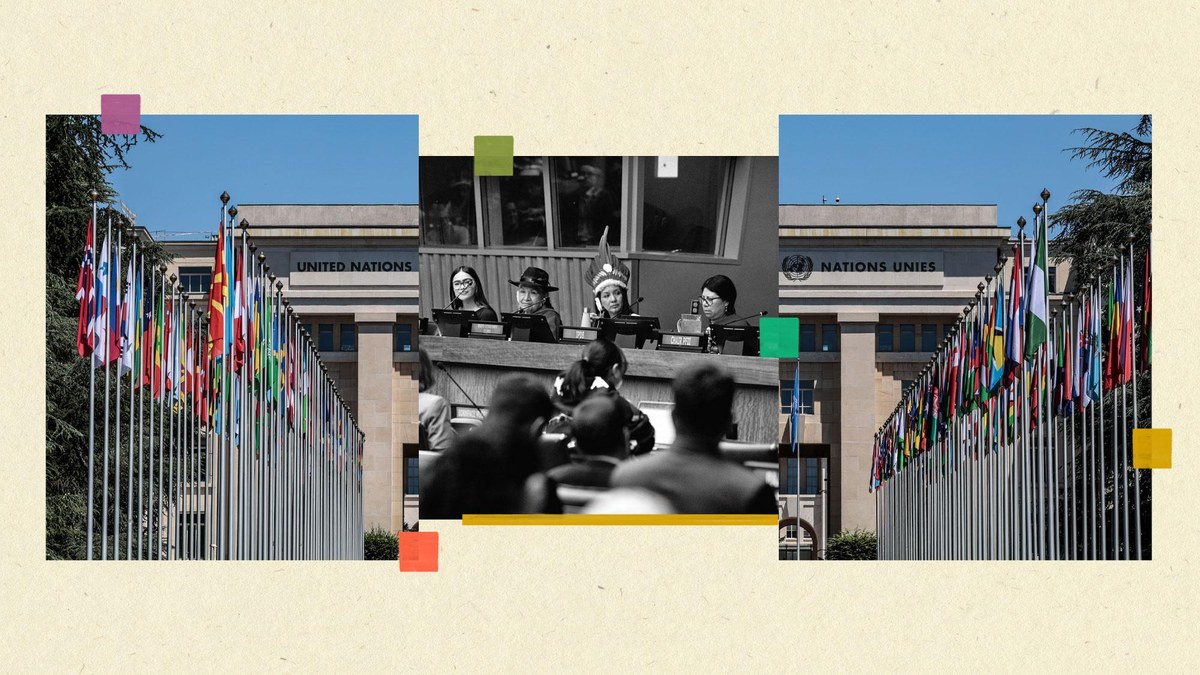
- What happened: Hundreds of Indigenous delegates gathered in Geneva this week for the UN's 19th Expert Mechanism on the Rights of Indigenous Peoples session, where leaders from the Pacific to Canada to Botswana confronted the overlapping crises of climate change, armed conflict, and resource extraction.
- Key facts & numbers: EMRIP's 19th annual session in Geneva convenes hundreds of Indigenous delegates alongside seven regional experts under the UN Human Rights Council to push implementation of the UN Declaration on the Rights of Indigenous Peoples, nearly 20 years after its 2007 adoption. Former EMRIP chair Binota Moy Dhamai of Bangladesh's Chittagong Hill Tracts said climate change, militarization, extractivism, and legal marginalization "reinforce one another," framing this year's agenda around their intersections. Pacific EMRIP member Valmaine Toki described the situation as a "lose-lose" for Indigenous peoples, who face dispossession from traditional lands during armed conflicts while being drawn into those same fights.
- What happens next: Most climate coverage treats displacement as a slow-moving threat. This piece reminds you it's also a fast-moving one — Indigenous leaders explicitly linking war, extraction, and erasure as one system.
- EMRIP's 19th annual session in Geneva convenes hundreds of Indigenous delegates alongside seven regional experts under the UN Human Rights Council to push implementation of the UN Declaration on the Rights of Indigenous Peoples, nearly 20 years after its 2007 adoption.
- Former EMRIP chair Binota Moy Dhamai of Bangladesh's Chittagong Hill Tracts said climate change, militarization, extractivism, and legal marginalization "reinforce one another," framing this year's agenda around their intersections.
- Pacific EMRIP member Valmaine Toki described the situation as a "lose-lose" for Indigenous peoples, who face dispossession from traditional lands during armed conflicts while being drawn into those same fights.
- New Caledonia's Kanak people are using a recent International Court of Justice advisory opinion holding climate-polluting countries accountable as a tool in their decolonization fight, 170 years after colonization began.
Why It Matters
Indigenous communities simultaneously face existential climate threats and active armed conflict while extractive industries continue operating on their lands — in Canada's case, over carbon-sink wetlands despite First Nations opposition. With UNDRIP's 20th anniversary approaching, this Geneva session tests whether two decades of rights declarations translate into enforcement against both longstanding threats like mining and emerging ones like AI.
Sources Cited
Related Coverage
Ask SkimNews