Indigenous Leaders Deliver 12-Point UN Action Plan
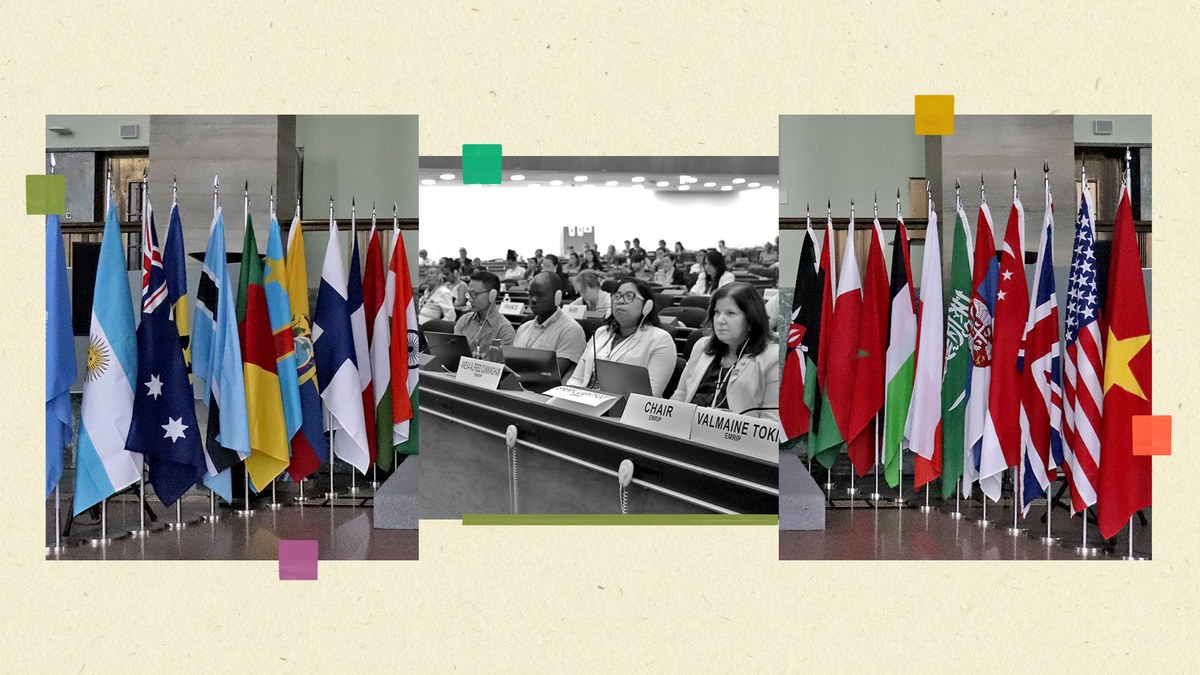
The 30-Second Skim
- What happened: Indigenous leaders have delivered a 12-point action plan to the UN demanding urgent protection of their rights, lands, and cultures, amid warnings that global inaction and funding cuts threaten both their survival and vital international advocacy platforms.
- Key facts & numbers: Indigenous members of EMRIP finalized a 12-point proposal for the UN Human Rights Council calling for sweeping protections for Indigenous lands, rights, and cultures, including greater autonomy for Indigenous women and girls Sheryl Lightfoot, Anishinaabe and EMRIP’s North America region expert, emphasized the urgency of the moment, stating there is 'clearly no shortage of work' as threats to Indigenous peoples intensify globally Albert Barume, UN special rapporteur on the rights of Indigenous peoples, reported a global trend of 'stagnation and regression' in Indigenous rights protections, with few states enacting new measures and some actively dismantling existing frameworks
- What happens next: The US doesn’t fund the UN’s Indigenous Voluntary Fund or Trust Fund—while Indigenous leaders warn their rights are regressing globally. The platforms meant to amplify them are being starved.
- Indigenous members of EMRIP finalized a 12-point proposal for the UN Human Rights Council calling for sweeping protections for Indigenous lands, rights, and cultures, including greater autonomy for Indigenous women and girls
- Sheryl Lightfoot, Anishinaabe and EMRIP’s North America region expert, emphasized the urgency of the moment, stating there is 'clearly no shortage of work' as threats to Indigenous peoples intensify globally
- Albert Barume, UN special rapporteur on the rights of Indigenous peoples, reported a global trend of 'stagnation and regression' in Indigenous rights protections, with few states enacting new measures and some actively dismantling existing frameworks
- Macy Duxfield, representing Māori nations in Aotearoa New Zealand, described her country’s Indigenous policies as regressive but affirmed the ongoing responsibility to continue ancestral advocacy work for future generations
Why It Matters
With only eight countries funding the UN’s Indigenous Voluntary Fund and key advocacy bodies like EMRIP facing potential cuts, the ability of Indigenous peoples to influence global policy is at risk—undermining both their self-determination and the implementation of international commitments like the UN Declaration on the Rights of Indigenous Peoples.
Sources Cited
Related Coverage
Ask SkimNews