Hawaii to Import Bio‑fuels for Shipping, Aviation
The 30-Second Skim
- What happened: Hawaii’s decarbonization plan separates domestic electricity, which will be solar‑driven and battery‑balanced, from cross‑ocean transport that will rely on imported bio‑fuels rather than LNG, reshaping energy imports and tourism costs.
- Key facts & numbers: Hawaii's domestic grid meets roughly 6,000 GWh of annual electricity demand, primarily from solar, with batteries, demand‑management, district cooling, modest onshore wind, and a small biomethane reserve for rare‑event firming. Shipping is moving toward hybrid battery‑plus‑biofuel designs, with studies showing LNG’s methane slip erodes its lifecycle GHG advantage, making biomethanol or ethanol a clearer low‑carbon option. Long‑haul aviation lacks a realistic electrification pathway, so Hawaii’s strategy focuses on sustainable aviation fuel, supported by a state SAF tax credit to encourage production, blending, and import.
- What happens next: The piece flags that Hawaii will import bio‑fuels for planes and ships, not build LNG plants – a nuance most headlines miss.
- Hawaii's domestic grid meets roughly 6,000 GWh of annual electricity demand, primarily from solar, with batteries, demand‑management, district cooling, modest onshore wind, and a small biomethane reserve for rare‑event firming.
- Shipping is moving toward hybrid battery‑plus‑biofuel designs, with studies showing LNG’s methane slip erodes its lifecycle GHG advantage, making biomethanol or ethanol a clearer low‑carbon option.
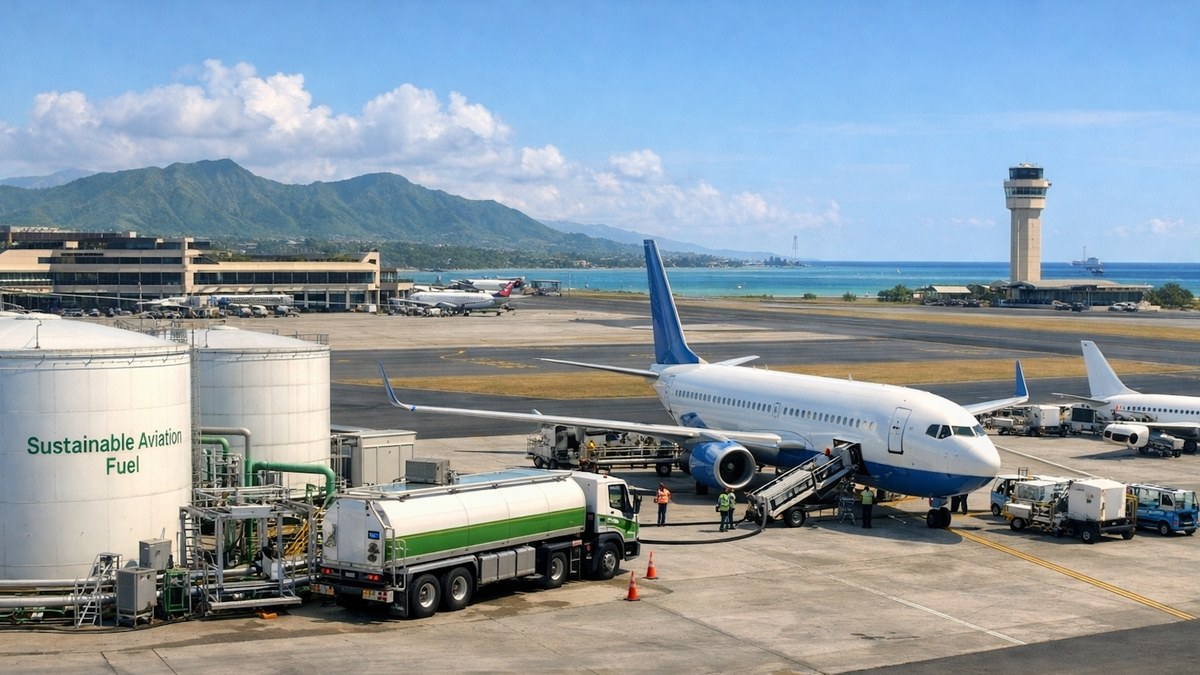
- Long‑haul aviation lacks a realistic electrification pathway, so Hawaii’s strategy focuses on sustainable aviation fuel, supported by a state SAF tax credit to encourage production, blending, and import.
- Biomethane from wastewater sludge, landfill gas, and food waste yields about 4–6 million therms annually (≈151 GWh gas energy, ≈68 GWh electricity), sufficient only for a modest domestic grid reserve.
Why It Matters
Hawaii’s tourism sector stands to gain from lower‑cost, low‑carbon aviation fuel, while shipping firms face only modest freight‑rate increases due to bio‑fuel imports; the state avoids costly LNG infrastructure and secures a small biomethane reserve for grid resilience and improves energy security.
Sources Cited
Related Coverage
Ask SkimNews