Solar Powers 25% of EU Electricity in June
The 30-Second Skim7 points
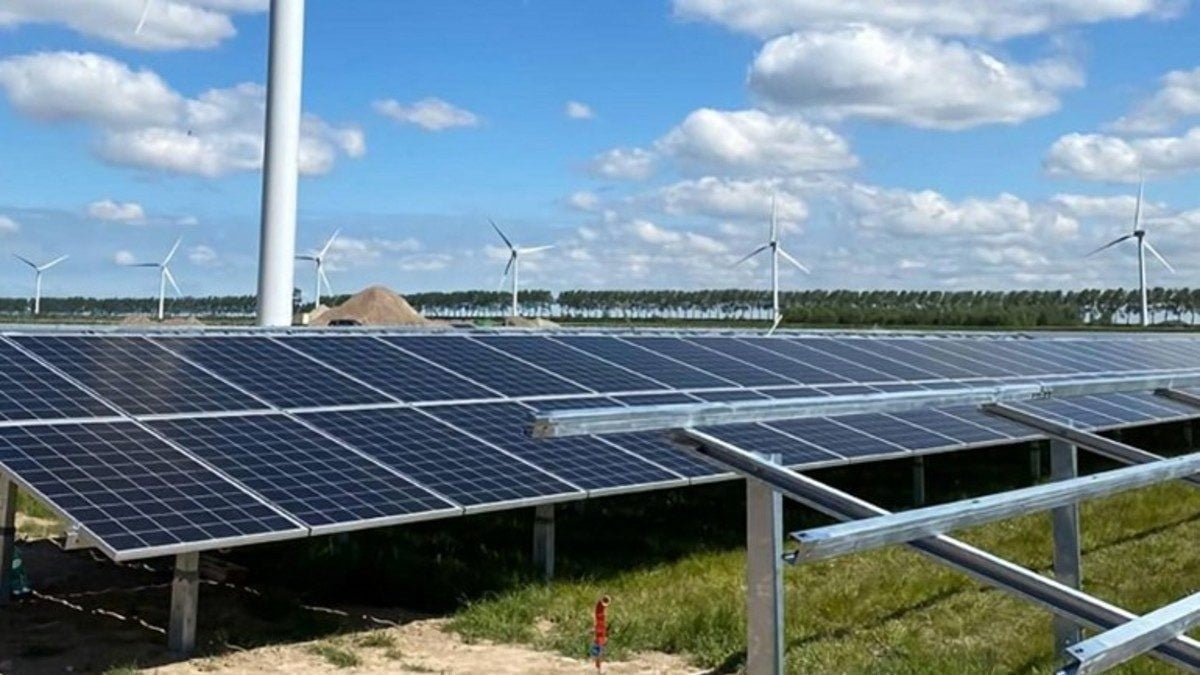
- What happenedSolar power generated 52 terawatt-hours in June 2026, supplying 25% of the European Union’s electricity and surpassing all other sources for the first time with a quarterly milestone.
- Key facts & numbersSolar power generated 52 terawatt-hours (TWh) of electricity in the European Union in June 2026, supplying 25% of the bloc’s total electricity use for the month. European Union saw solar become its largest electricity source in June 2026, ahead of nuclear (21%), gas (15%), wind (14%), hydro (12%), and coal (8%). Ember reported that solar generation has grown by more than 20% annually since 2021, with the EU adding 65.1 gigawatts of new solar capacity in 2025 alone.
- What happens nextSolar didn’t just beat nuclear in June—it became Europe’s workhorse, hitting 25% of all power with real savings for households, not just hype.
- Solar power generated 52 terawatt-hours (TWh) of electricity in the European Union in June 2026, supplying 25% of the bloc’s total electricity use for the month.
- European Union saw solar become its largest electricity source in June 2026, ahead of nuclear (21%), gas (15%), wind (14%), hydro (12%), and coal (8%).
- Ember reported that solar generation has grown by more than 20% annually since 2021, with the EU adding 65.1 gigawatts of new solar capacity in 2025 alone.
- Spain set a national record in June 2026 with solar providing 34% of its electricity, aided by renewable policies that saved households about €10 monthly during energy price spikes.
Why It Matters
Solar’s 25% share marks a structural shift in the EU’s power mix, displacing fossil fuels and nuclear as the top source. With 18 countries setting monthly solar records in 2026 and households saving on bills, the pace of deployment is outstripping earlier projections and reducing reliance on imported energy.
Sources Cited
Related Coverage
Ask SkimNews
The day’s news in one short email, every morning.
Free. One email a day. Unsubscribe in one click.