EU Wind and Solar Beat Fossil Fuels in 2025, Boosting Tidal Energy
The 30-Second Skim7 points
- What happenedEurope's wind and solar generation surpassed fossil fuels in 2025, spotlighting marine energy as a predictable renewable source to balance grid intermittency, with tidal projects in the UK and France advancing toward commercial scale.
- Key facts & numbersWind and solar power generated 30% of the EU's electricity in 2025, exceeding fossil fuels' 29% share, according to an Ember report analyzing full-year data across all 27 EU countries. Marine energy, particularly tidal power, is emerging as a predictable renewable source that can offset solar and wind intermittency, with proponents highlighting its potential for grid stability and hybrid microgrids. Tidal energy projects in Scotland’s Pentland Firth and the Morlais site off North Wales are progressing toward commercial operation, with the latter expected to launch the first commercial tidal farms from 2028.
- What happens nextWhile others focus on solar’s record year, the real story is tidal energy’s quiet march toward grid relevance—backed by standards, funding, and predictable output no battery can match.
- Wind and solar power generated 30% of the EU's electricity in 2025, exceeding fossil fuels' 29% share, according to an Ember report analyzing full-year data across all 27 EU countries.
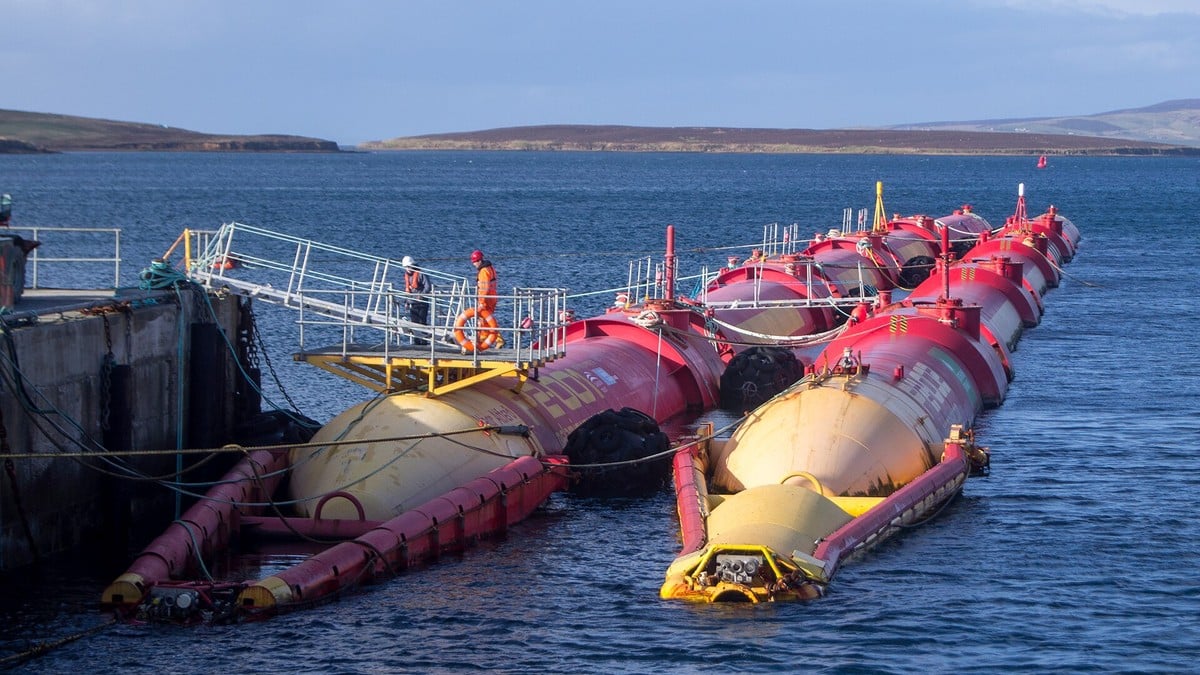
- Marine energy, particularly tidal power, is emerging as a predictable renewable source that can offset solar and wind intermittency, with proponents highlighting its potential for grid stability and hybrid microgrids.
- Tidal energy projects in Scotland’s Pentland Firth and the Morlais site off North Wales are progressing toward commercial operation, with the latter expected to launch the first commercial tidal farms from 2028.
- Peter Scheijgrond of Bluespring emphasizes that regulatory delays due to low awareness—such as confusion between wave and tidal energy—are a major barrier to marine energy deployment.
Why It Matters
The shift past fossil fuels in EU electricity marks a structural turning point, making grid-balancing renewables like tidal energy more valuable; with Morlais and Raz Blanchard projects advancing, marine energy could reduce reliance on costly storage if certification and regulation catch up to technology.
Background & Timeline
- ContextAs variable renewables reach majority share in the grid, the economic premium for predictable marine energy rises disproportionately — making its value proposition increasingly tied to wind and solar penetration levels rather than its standalone cost.
Sources Cited
Related Coverage
Ask SkimNews
The day’s news in one short email, every morning.
Free. One email a day. Unsubscribe in one click.