U.N. Climate Report Timing Sparks Fossil Fuel Row
The 30-Second Skim
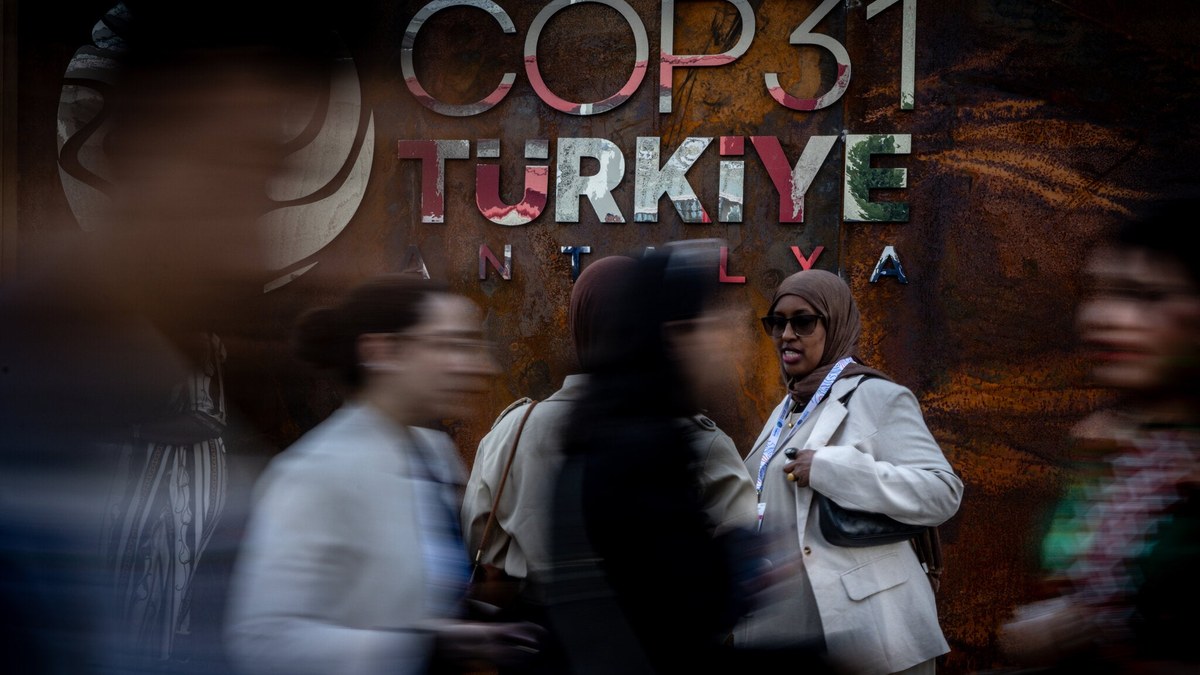
- What happened: At the 2026 U.N. climate conference, a dispute over when the IPCC should release its next climate science reports has escalated into a major diplomatic conflict. Countries including Saudi Arabia, India, and Russia want to delay publication until after 2028, potentially weakening the next global stocktake.
- Key facts & numbers: The IPCC typically releases major climate assessments every five to seven years, with the next round covering physical climate changes and emissions. Saudi Arabia, India, and Russia are pushing to delay at least two reports beyond 2028, when nations are scheduled to reassess climate commitments.
- What happens next: Delegates at the U.N. climate talks will vote on the IPCC’s report timeline in the coming weeks, with the outcome determining whether scientific input will inform the 2028 global stocktake as intended under the Paris Agreement.
Why It Matters
Delaying IPCC reports risks decoupling climate policy from the latest science during a critical window for emissions reductions. If fossil fuel-dependent nations succeed, the 2028 stocktake could lack authoritative data, weakening global pressure to phase out coal, oil, and gas.
This dispute exposes growing tension between scientific integrity and geopolitical interests within U.N. climate processes. Markets relying on policy signals for clean energy investment may face uncertainty, while climate-vulnerable nations fear diminished ambition in future commitments due to diluted scientific input.
How Outlets Are Framing It
- NYT Climate / Science Integrity Lens: Focuses on threats to IPCC independence, highlighting Al Gore’s accusation that Saudi Arabia is attempting to undermine climate science for fossil fuel interests.
- The New York Times / Diplomatic Conflict Lens: Emphasizes the geopolitical rift, framing the delay push by Saudi Arabia, India, and Russia as a strategic move to influence Paris Agreement outcomes.
- Global Climate Press / Equity and Process Lens: Warns that manipulating report timing could erode trust in the U.N. process, especially among vulnerable nations dependent on robust science for adaptation planning.
Background & Timeline
- November 2021: The Glasgow Climate Pact reaffirmed the IPCC’s role in informing the global stocktake, with the first formal assessment set for 2023.
- 2015: The Paris Agreement established the five-year global stocktake cycle, designed to ratchet up climate action using the latest scientific assessments.
Sources Cited
- NYT Climate — Timing of Climate Science Reports Ignites a Hot Fight at U.N. Talks
- The New York Times — Timing of Climate Science Reports Ignites a Hot Fight at U.N. Talks
Related Coverage
- Climate Talks Hang in Balance Over Fossil Fuel StandoffThe Guardian Environment
- COP31 Stalls Over Fossil Fuel Language and Climate FinanceBBC Environment
- IPCC Talks Collapse Over Climate Report DelayThe Guardian Environment
- It’s about to get a lot harder to keep countries honest about climate changeNew Scientist
Ask SkimNews