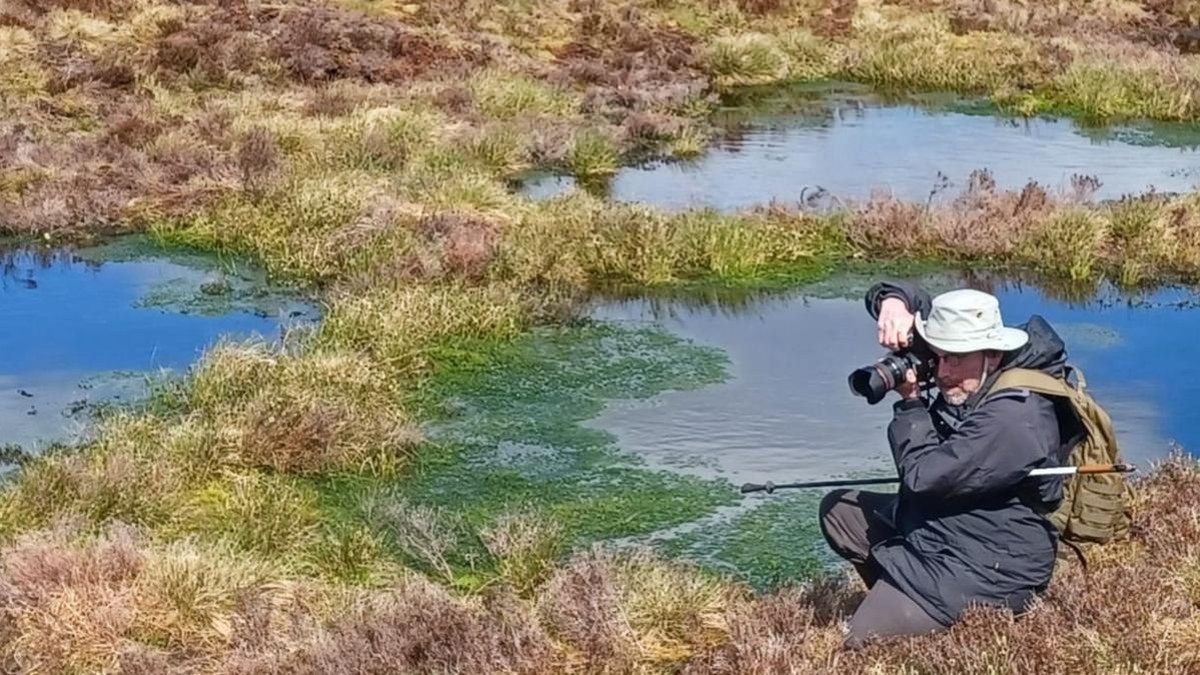
Scientist dubbed The Bogfather is restoring peatland to fight climate change
The 30-Second Skim
- What happened: Dr. Peter Jones, nicknamed 'The Bogfather,' has spent 30 years restoring Welsh peatlands — a nature-based climate fix tackling carbon storage, flooding and biodiversity loss — as Wales targets 1,800 hectares of restoration per year by 2030-31.
- Key facts & numbers: Dr. Peter Jones, nicknamed "The Bogfather" by younger colleagues, has spent 30 years championing peatland restoration in Wales as a single nature-based solution that addresses climate change, flooding, wildfires and biodiversity loss at the same time. Wales's peatlands store 30% of the country's land-based carbon despite covering just 4% of its surface, yet roughly 90% are degraded and actively leak greenhouse gases instead of storing them. Sphagnum moss, which can retain 20 times its own weight in water, is central to rebuilding peat at about 1mm per year — meaning a single metre of peat can take up to 1,000 years to form naturally.
- What happens next: Peat grows 1mm a year; a metre takes 1,000 years. One Welsh 'Bogfather' has spent 30 years trying to rebuild what almost got drained away.
- Dr. Peter Jones, nicknamed "The Bogfather" by younger colleagues, has spent 30 years championing peatland restoration in Wales as a single nature-based solution that addresses climate change, flooding, wildfires and biodiversity loss at the same time.
- Wales's peatlands store 30% of the country's land-based carbon despite covering just 4% of its surface, yet roughly 90% are degraded and actively leak greenhouse gases instead of storing them.
- Sphagnum moss, which can retain 20 times its own weight in water, is central to rebuilding peat at about 1mm per year — meaning a single metre of peat can take up to 1,000 years to form naturally.
- Wales has committed to restoring around 1,800 hectares of peatland per year by the end of 2030-31, scaling methods like drain-blocking and bog revegetation across more than 100 restoration techniques.
Why It Matters
Wales is betting that restoring one landscape type — peatland — can simultaneously cut carbon emissions, slow flooding and shelter biodiversity. With 90% of its peatlands still degraded and leaking greenhouse gases, the 1,800-hectare annual restoration pledge by 2030-31 is the concrete test of whether nature-based climate fixes can scale at a pace that materially affects emissions.
Sources Cited
Related Coverage
Ask SkimNews