ECB Raises Deposit Rate to 2.5% on Inflation Risks
The 30-Second Skim7 points
- What happenedThe ECB lifted its key deposit rate 25 basis points to 2.5% to contain energy-driven inflation, while warning that Middle East conflict and Russia’s war in Ukraine leave inflation above target and growth risks tilted downward.
- Key facts & numbersEuropean Central Bank raised its key deposit rate by 25 basis points to 2.5% from 2.25%, with LSEG data showing markets had priced a 100% chance of the move. Governing Council described the outlook as highly uncertain, citing upside risks to inflation, downside risks to growth and a broad range of outcomes around the energy shock. Christine Lagarde said the Middle East conflict and Russia’s war in Ukraine will keep headline inflation well above the ECB’s 2% target for an extended period, while energy prices and trade tensions remain a growth risk.
- What happens nextSame consensus across the listed coverage: the hike is meant to quell inflation. The overlooked wrinkle: resilient growth and a split investor survey make the rate path unusually uncertain.
- European Central Bank raised its key deposit rate by 25 basis points to 2.5% from 2.25%, with LSEG data showing markets had priced a 100% chance of the move.
- Governing Council described the outlook as highly uncertain, citing upside risks to inflation, downside risks to growth and a broad range of outcomes around the energy shock.
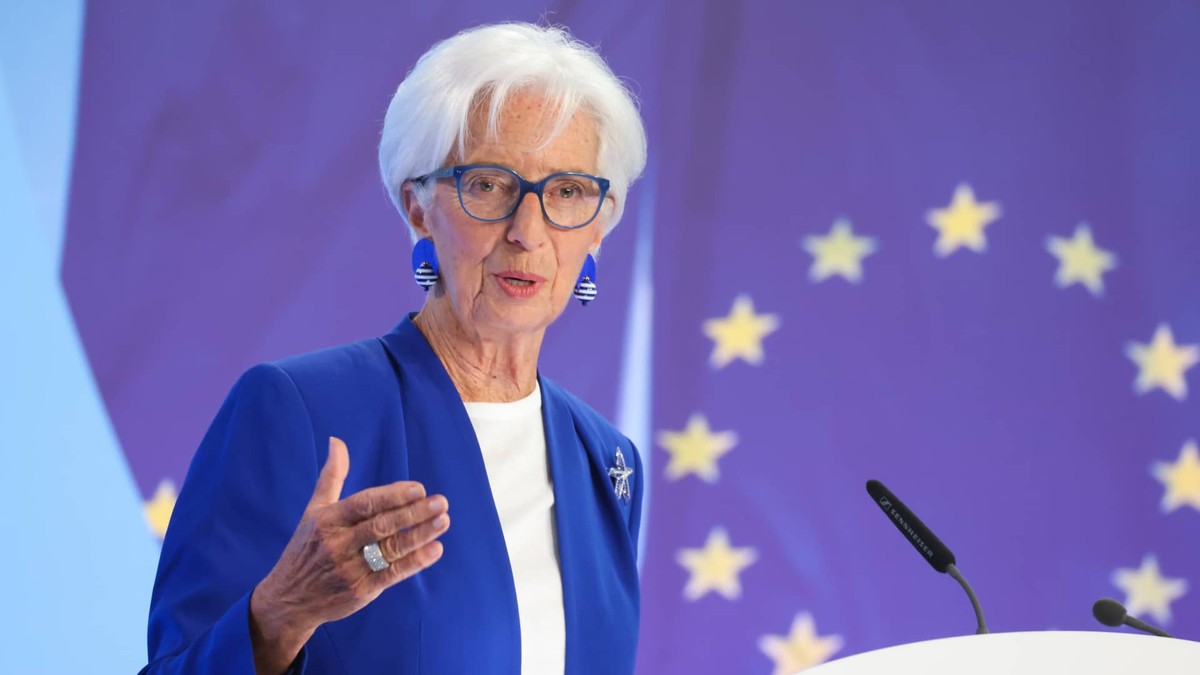
- Christine Lagarde said the Middle East conflict and Russia’s war in Ukraine will keep headline inflation well above the ECB’s 2% target for an extended period, while energy prices and trade tensions remain a growth risk.
- Euro zone inflation reached 3.3% in August, while energy inflation surged to 14.3% as the region remained a net energy importer.
Why It Matters
For European borrowers and governments, the ECB’s 25-basis-point increase to a 2.5% deposit rate tightens the policy setting while euro-zone inflation reached 3.3% in August and energy inflation surged to 14.3%. European bond yields have risen to multi-decade highs, reflecting the same inflation and rate-hike repricing behind the ECB action.
Sources Cited
- Financial TimesFinancial Times
- Euronews.comECB raises rates to 2.5% as energy costs bite
Related Coverage
Ask SkimNews
The day’s news in one short email, every morning.
Free. One email a day. Unsubscribe in one click.