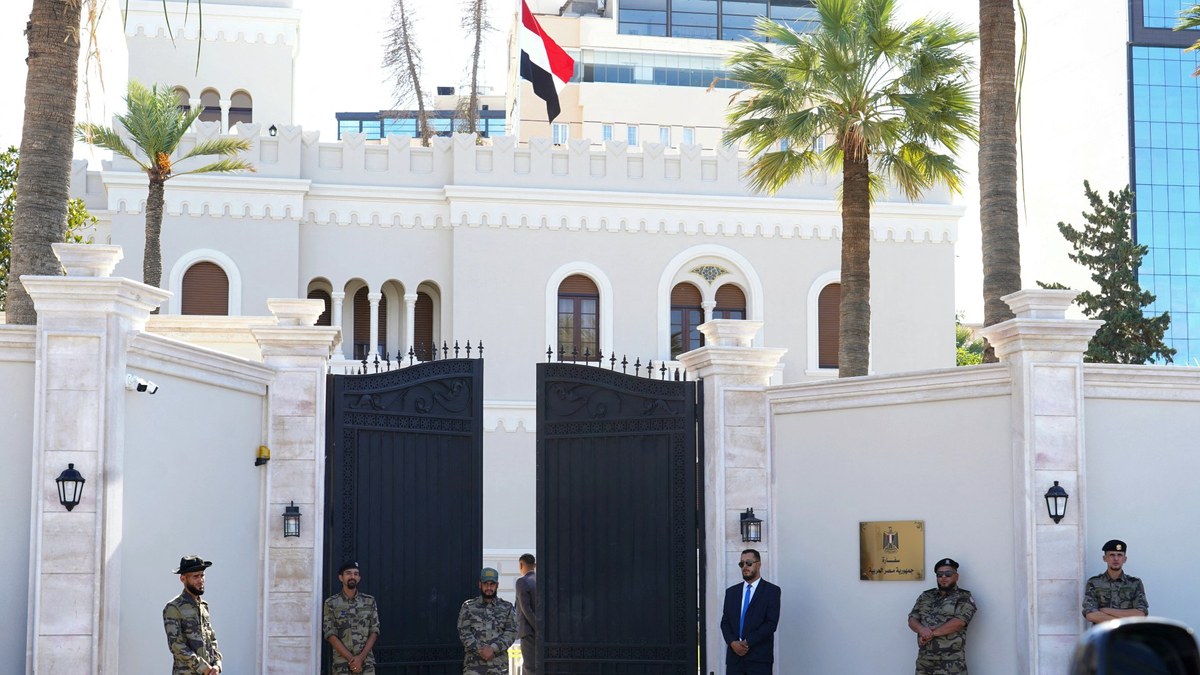
Egypt’s reopening of its embassy in Tripoli signals regional shift on Libya
The 30-Second Skim
- What happened: Egypt has reopened its embassy in Tripoli after 12 years, marking a strategic shift as regional dynamics and Libyan political developments push Cairo toward engagement with the internationally recognized government.
- Key facts & numbers: Egypt reopened its embassy in Tripoli after a 12-year closure, with Foreign Minister Badr Abdelatty inaugurating the diplomatic mission amid shifting regional alignments. Libyan political analyst Hazem al-Rayes noted that Egypt’s move signals a recalibration in its approach, ending five years without a foreign ministerial visit to the capital. Political science professor Elias al-Barouni stated the embassy reopening reflects a broader rearrangement of Cairo’s priorities in managing relations with Libyan factions.
- What happens next: Egypt’s embassy reopening isn’t just diplomacy—it’s damage control after Haftar drifted and Turkey gained ground. The real story? Cairo’s finally talking to the government it once sidelined.
- Egypt reopened its embassy in Tripoli after a 12-year closure, with Foreign Minister Badr Abdelatty inaugurating the diplomatic mission amid shifting regional alignments.
- Libyan political analyst Hazem al-Rayes noted that Egypt’s move signals a recalibration in its approach, ending five years without a foreign ministerial visit to the capital.
- Political science professor Elias al-Barouni stated the embassy reopening reflects a broader rearrangement of Cairo’s priorities in managing relations with Libyan factions.
- Cairo University professor Badr Hassan al-Shafei explained Egypt is moving away from exclusive reliance on Khalifa Haftar’s eastern forces due to strategic setbacks and Turkish influence.
Why It Matters
Egypt’s pivot from backing Haftar to engaging Tripoli reflects a loss of influence over its former ally and rising regional competition, particularly from Turkey. By reopening the embassy and negotiating directly, Cairo aims to protect its energy interests and regain leverage in a post-Haftar-aligned Libya, where reconstruction and elections are now possible.
Sources Cited
Related Coverage
Ask SkimNews