UN Security Council Welcomes Libya Election Deal
The 30-Second Skim
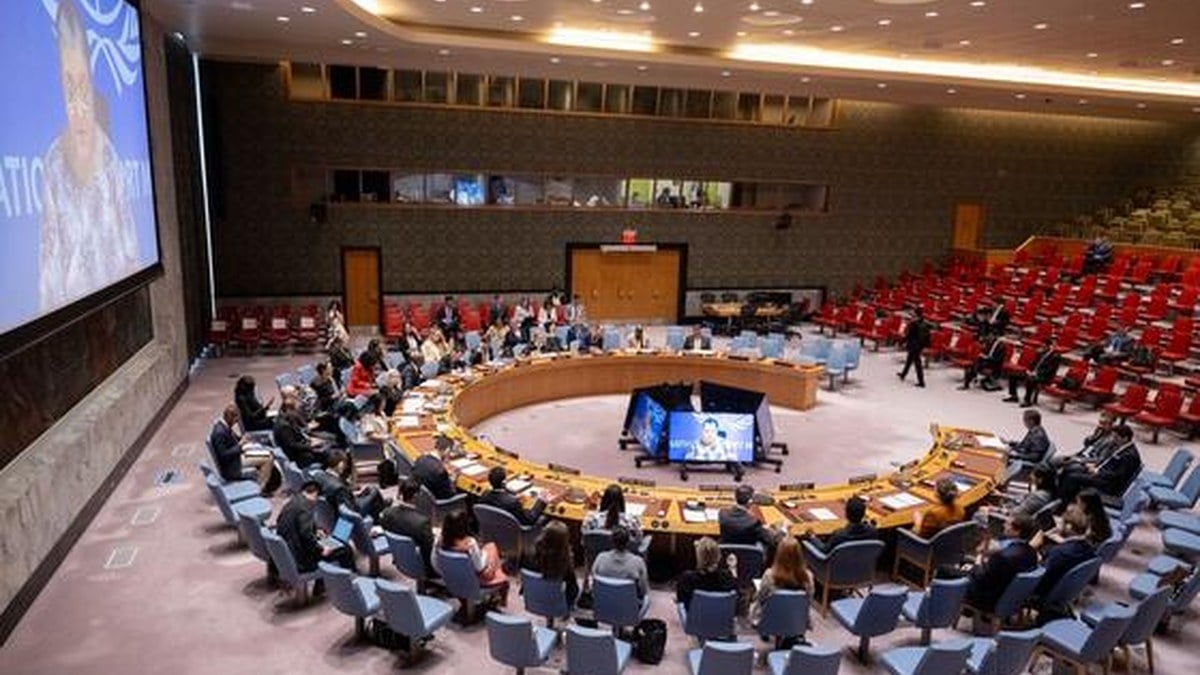
- What happened: The UN Security Council welcomed a breakthrough deal between Libya's rival political blocs on new election rules and a two-year timeline for national votes, while pressing all sides to move quickly from agreement to implementation.
- Key facts & numbers: UN Security Council welcomed the 30 August agreement between Libya's rival political blocs, calling it "an important step" toward the country's first national elections in over a decade The deal reconstitutes the board of Libya's High National Elections Commission with representation from all three regions and amends the legal framework for parliamentary and presidential elections to be held within two years under a single unified government UNSMIL brokered the "Smaller Convening" that brought together the Tripoli-based Government of National Unity, the eastern-based Libyan National Army command, and both parliamentary chambers to jointly resolve disputes blocking elections
- What happens next: Tetteh's line about trust being fragile among ordinary Libyans—not just politicians—is the real headline here. Wider coverage today is all Iran nukes; this Libya deal is flying under the radar.
- UN Security Council welcomed the 30 August agreement between Libya's rival political blocs, calling it "an important step" toward the country's first national elections in over a decade
- The deal reconstitutes the board of Libya's High National Elections Commission with representation from all three regions and amends the legal framework for parliamentary and presidential elections to be held within two years under a single unified government
- UNSMIL brokered the "Smaller Convening" that brought together the Tripoli-based Government of National Unity, the eastern-based Libyan National Army command, and both parliamentary chambers to jointly resolve disputes blocking elections
- Special Representative Hanna Tetteh cautioned that trust remains fragile "not just between the political actors, but among the Libyan people themselves," naming public buy-in and unifying divided military, security, and economic institutions as the biggest challenges ahead
Why It Matters
Libya's rival blocs have been deadlocked for years over how to compose the elections commission and whether to tie legislative and presidential votes together; this deal resolves both, but Tetteh's warning that trust is fragile 'among the Libyan people themselves'—not just politicians—signals the harder work of public buy-in and unifying security institutions lies ahead. The 35% female participation in dialogue is undermined by online harassment that pushes women out of civic life, leaving a two-year electoral clock to run while those gaps remain.
Sources Cited
Related Coverage
Ask SkimNews