Fed Chair Warsh Warns AI Could Disappoint Economy
The 30-Second Skim
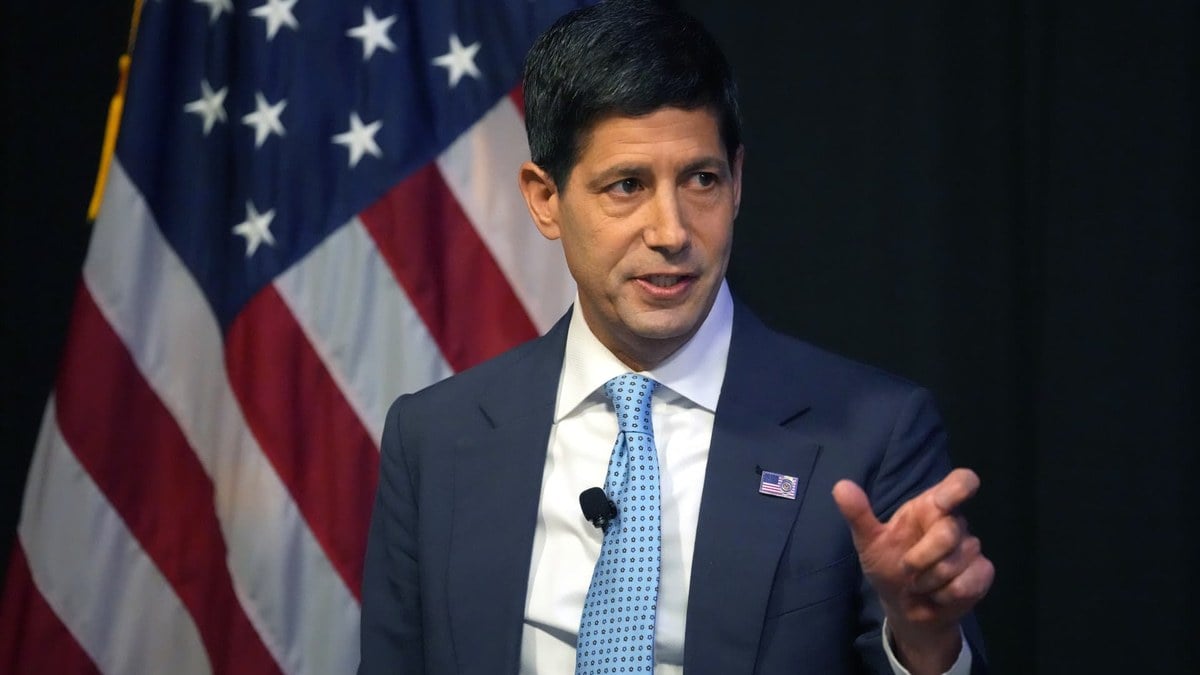
- What happened: Fed Chair Kevin Warsh spoke in San Francisco before a task force on productivity and employment, highlighting AI's economic promise while warning of risks like job displacement or unmet expectations. He described AI as 'superintelligence,' a term now favored by the U.S. government under President Donald Trump.
- Key facts & numbers: Warsh delivered remarks on November 16, 2026, in San Francisco, marking his first visit to a regional Fed bank. He referenced President Donald Trump’s directive to use 'superintelligence' instead of AI, and cited potential equity valuation declines if AI fails to generate returns.
- What happens next: The task force will continue discussions with business leaders and economists, culminating in a fireside chat between Warsh and Marc Andreessen, co-founder of Andreessen Horowitz, to explore AI’s economic trajectory and policy implications.
Why It Matters
Warsh’s remarks signal growing central bank scrutiny of AI’s macroeconomic implications, particularly its potential to alter inflation, employment, and productivity trends. If AI fails to deliver productivity gains after massive capital investment, equity markets could correct sharply, triggering broader economic slowdowns.
The Fed’s focus on AI as 'superintelligence' reflects a strategic shift in how policymakers frame technological change. This could influence regulatory approaches, monetary policy adjustments, and corporate investment strategies, especially as markets price in high expectations for AI-driven growth that may not materialize as anticipated.
How Outlets Are Framing It
- [CNBC / Market Risk Lens]: Focuses on AI-driven equity valuations and risks of a market correction if expected returns decline, framing Warsh’s comments as a caution to investors overhyped on AI profits.
- [NYT Business / Policy Impact Lens]: Emphasizes the Fed’s institutional response, highlighting Warsh’s task forces as signs of deepening policy preparation for AI’s labor and productivity disruptions.
- [BigGo Finance / Techno-Economic Lens]: Stresses the 'superintelligence' terminology shift and explores dual scenarios of accelerated growth versus structural unemployment, underscoring strategic uncertainty.
Background & Timeline
- March 2026: President Trump issued an executive directive promoting use of 'superintelligence' over 'artificial intelligence' in federal communications and policy documents.
- September 2026: Kevin Warsh launched four additional Fed task forces on communication, data, balance sheet policy, and inflation, ahead of the November AI-focused session.
Sources Cited
- CNBC — Fed Chairman Kevin Warsh stresses importance of AI to economy, but says it could ‘disappoint’
- NYT Business — NYT Business
- C-SPAN — Fed Chair Kevin Warsh Emphasizes Importance of AI But Warns of Disruption
- Forex Factory — Fed Chairman Kevin Warsh stresses importance of AI to economy, but says it could ‘disappoint’
- BigGo Finance — Fed Chair Describes AI as "Superintelligence," Stresses Need to Prepare for Scenarios Ranging from Accelerated Growth to Higher Unemployment
Related Coverage
Ask SkimNews