Fed to Probe AI's Inflation Risks Ahead of Rate Decision
The 30-Second Skim
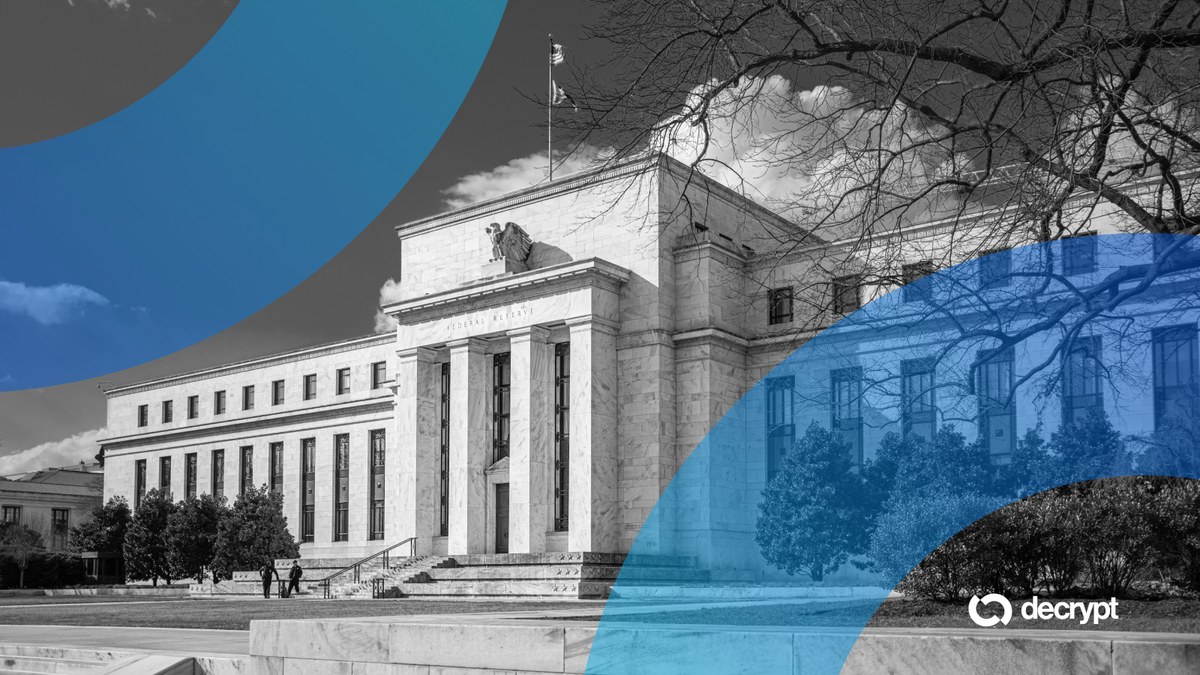
- What happened: Federal Reserve Chair Kevin Warsh is convening a November 16 forum in San Francisco to assess how AI investment affects inflation, productivity, and employment. The event brings together tech leaders and economists amid growing debate over AI’s net economic impact.
- Key facts & numbers: Fed Governor Lisa Cook warned in September that AI investment is adding inflationary pressure, delaying the 2% target. Hyperscale Data shut down Bitcoin mining in Michigan in September to prioritize a $1.2 billion AI infrastructure deal.
- What happens next: The forum precedes the Fed’s December 9 interest-rate decision. While no immediate policy change is expected, the discussion may signal whether AI-driven inflation risks could prolong high rates.
Why It Matters
The Fed’s scrutiny of AI’s inflationary footprint could prolong high interest rates, reducing liquidity for speculative assets like Bitcoin. If AI infrastructure continues to strain power grids and labor markets, rate cuts may be delayed, reinforcing the dollar’s strength and pressuring crypto valuations.
Beyond markets, the forum highlights a policy pivot: treating AI not just as a productivity tool but as a macroeconomic disruptor. Job displacement risks and energy competition between AI and crypto sectors could force regulators to weigh industrial priorities, reshaping investment flows and energy policy.
How Outlets Are Framing It
- [Decrypt / Crypto Impact Lens]: Focuses on Bitcoin’s vulnerability to AI-driven energy competition and rate policy, highlighting miners exiting operations for AI contracts as a structural shift in digital infrastructure demand.
- [Yahoo Finance / Public Sentiment Lens]: Emphasizes growing public skepticism toward AI’s benefits, framing Warsh’s forum as a response to economic anxiety over job losses and rising costs from tech investment.
- [USA Today / Monetary Policy Lens]: Centers on the Fed’s dilemma—balancing potential long-term productivity gains against near-term inflation—positioning AI as a key variable in rate decisions.
Background & Timeline
Sources Cited
Related Coverage
Ask SkimNews