How FD laddering boosts returns and liquidity
The 30-Second Skim7 points
- What happenedFixed deposit laddering is a strategy that splits a lump sum into multiple FDs with staggered maturities to balance returns, liquidity, and interest rate risk in volatile markets.
- Key facts & numbersFixed deposit (FD) laddering involves dividing a lump sum into several FDs with different maturity dates, allowing annual access to funds and reinvestment at prevailing rates Investors who split ₹5 lakh into five ₹1 lakh FDs maturing over 1–5 years gain flexibility, with one deposit maturing each year for use or reinvestment FD laddering helps manage interest rate risk by enabling reinvestment at higher rates if yields rise, avoiding the lock-in of all funds at lower rates
- What happens nextEveryone’s pushing long-term FDs for yield, but laddering quietly wins: you dodge rate risk AND keep cash flowing yearly. The smart middle ground.
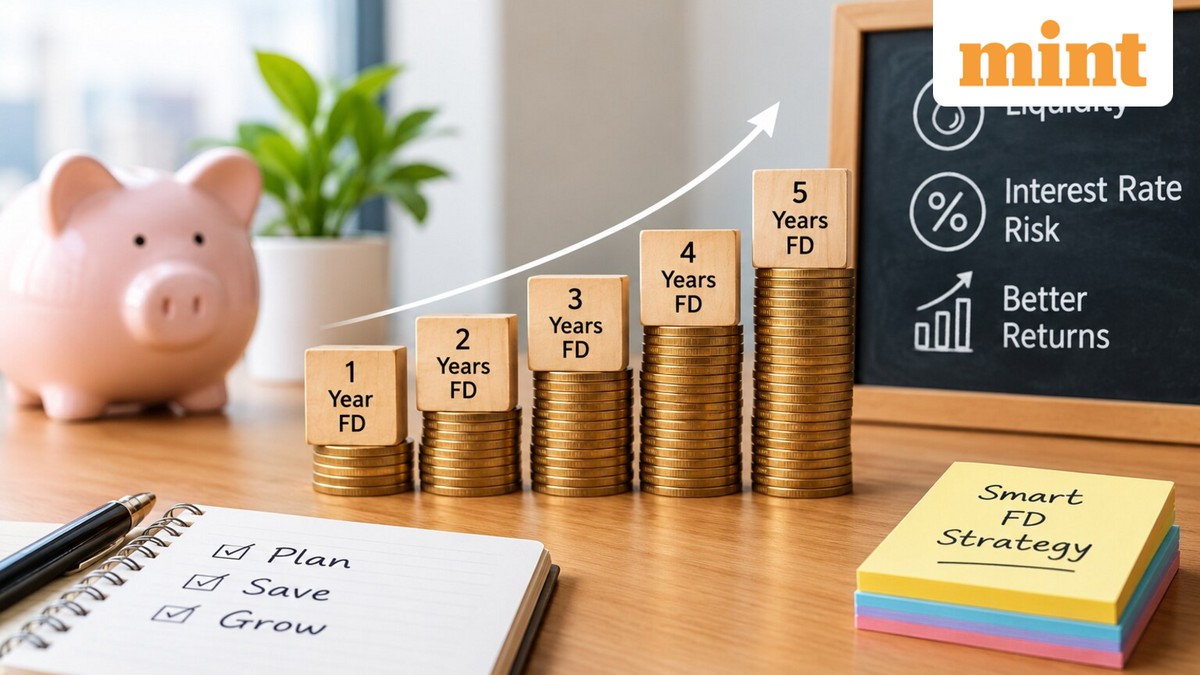
- Fixed deposit (FD) laddering involves dividing a lump sum into several FDs with different maturity dates, allowing annual access to funds and reinvestment at prevailing rates
- Investors who split ₹5 lakh into five ₹1 lakh FDs maturing over 1–5 years gain flexibility, with one deposit maturing each year for use or reinvestment
- FD laddering helps manage interest rate risk by enabling reinvestment at higher rates if yields rise, avoiding the lock-in of all funds at lower rates
- Investors may face penalties for premature withdrawals, and actual returns depend on interest rates, compounding frequency, taxes, and reinvestment choices
Why It Matters
By staggering maturities, investors gain annual liquidity and adaptability to rate changes without sacrificing yield stability—critical in volatile markets where long-term locks risk missed opportunities or forced withdrawals. This shifts control from timing bets to structured flexibility.
Sources Cited
Related Coverage
Ask SkimNews
The day’s news in one short email, every morning.
Free. One email a day. Unsubscribe in one click.