Oil Prices Dip After U.S.-Iran Ceasefire
The 30-Second Skim7 points
- What happenedA U.S.–Iran cease‑fire sparked a sharp dip in oil prices, yet ongoing attacks and a hesitant Strait of Hormuz keep Persian Gulf output stalled, delaying any meaningful global supply rebound.
- Key facts & numbersOil prices fell sharply after President Trump announced a cease‑fire with Iran on Tuesday evening. Iran kept attacking targets across the Arabian Peninsula on Wednesday while Israel struck Lebanon, casting doubt on the two‑week truce. Strait of Hormuz remains a deterrent as mariners stay reluctant to navigate it, leaving full tankers stuck in the Persian Gulf and blocking oil flow.
- What happens nextHeadline says prices are up, but tankers are still stuck and oil flow won’t normalize until the strait clears.
- Oil prices fell sharply after President Trump announced a cease‑fire with Iran on Tuesday evening.
- Iran kept attacking targets across the Arabian Peninsula on Wednesday while Israel struck Lebanon, casting doubt on the two‑week truce.
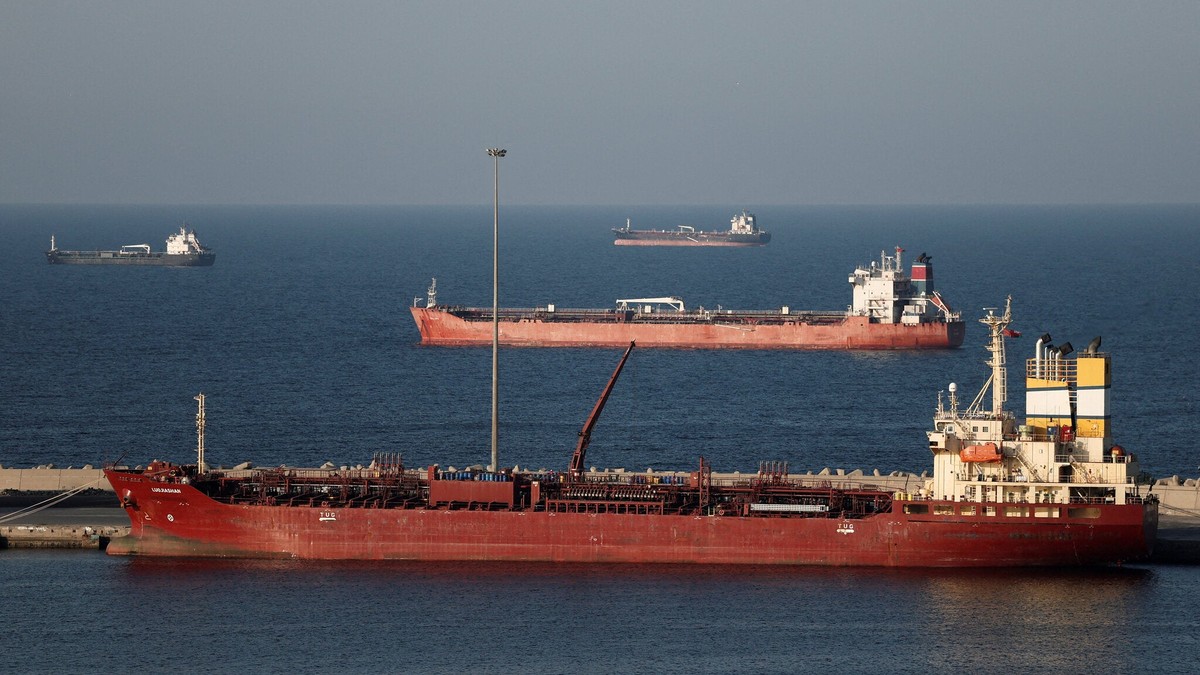
- Strait of Hormuz remains a deterrent as mariners stay reluctant to navigate it, leaving full tankers stuck in the Persian Gulf and blocking oil flow.
- Helima Croft of RBC Capital Markets warned that moving ships is “messy” while drones and missiles continue to be fired in the region.
Why It Matters
Energy firms in the Gulf lose immediate revenue as tankers stay anchored and wells stay shut, while downstream buyers—especially in Asia—remain dependent on scarce supply. The stalled restart means the cease‑fire’s promised price relief is delayed, keeping markets on edge.
Sources Cited
- The New York TimesOil Prices Fall, but Energy Firms Remain Frozen After U.S.-Iran Deal
- The Economic TimesIndia OMCs to pay discounted rates to refiners amid fuel price freeze
- The Motley FoolOil Glut, Wind Freeze, and Energy Policy in the Year Ahead
Related Coverage
Ask SkimNews
The day’s news in one short email, every morning.
Free. One email a day. Unsubscribe in one click.