400M barrels released as Hormuz oil flow halts
The 30-Second Skim
- What happened: Oil markets face escalating disruption as Iran's actions halt traffic through the Strait of Hormuz, threatening global supply despite temporary U.S. measures to stabilize prices.
- Key facts & numbers: Iran has attacked civilian ships and energy infrastructure, causing traffic through the Strait of Hormuz to fall to a standstill, disrupting a key global oil transit route. Strait of Hormuz normally carries roughly 20% of the world’s oil supply, but passage has effectively stopped due to Iranian attacks on shipping and energy facilities. U.S. and allied governments are releasing 400 million barrels from strategic reserves—the largest such release on record—to offset oil supply disruptions caused by the conflict.
- What happens next: Everyone’s focused on military escalation, but the real shock hits in April when the oil buffer runs out and prices spike—already 20% of supply is stranded.
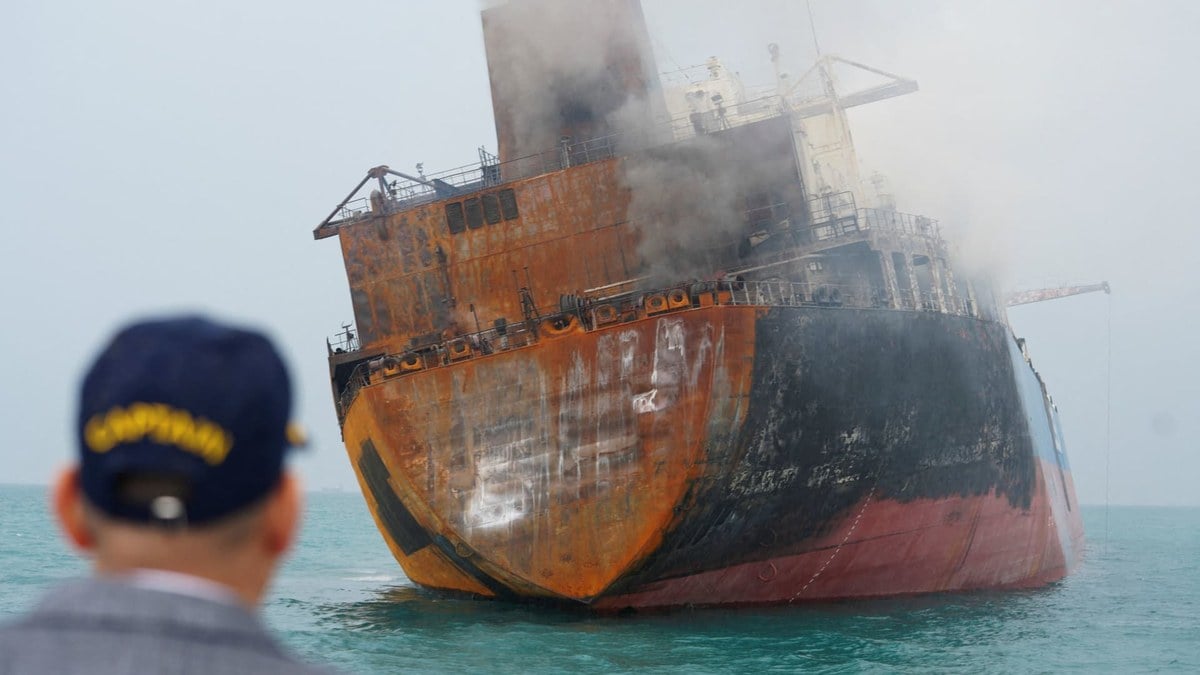
- Iran has attacked civilian ships and energy infrastructure, causing traffic through the Strait of Hormuz to fall to a standstill, disrupting a key global oil transit route.
- Strait of Hormuz normally carries roughly 20% of the world’s oil supply, but passage has effectively stopped due to Iranian attacks on shipping and energy facilities.
- U.S. and allied governments are releasing 400 million barrels from strategic reserves—the largest such release on record—to offset oil supply disruptions caused by the conflict.
- White House officials assert that the president’s military strategy will soon neutralize the Iranian threat, allowing energy price pressures to subside in the coming weeks.
Why It Matters
The 400 million barrel reserve release is buying time, but with 20% of global oil supply still blocked and no guarantee of reopening by mid-April, consumers and economies face materially higher energy costs once emergency measures expire—shifting risk from markets to households.
Sources Cited
Related Coverage
Ask SkimNews