U.S., Israel Strike Iran, Kill Khamenei
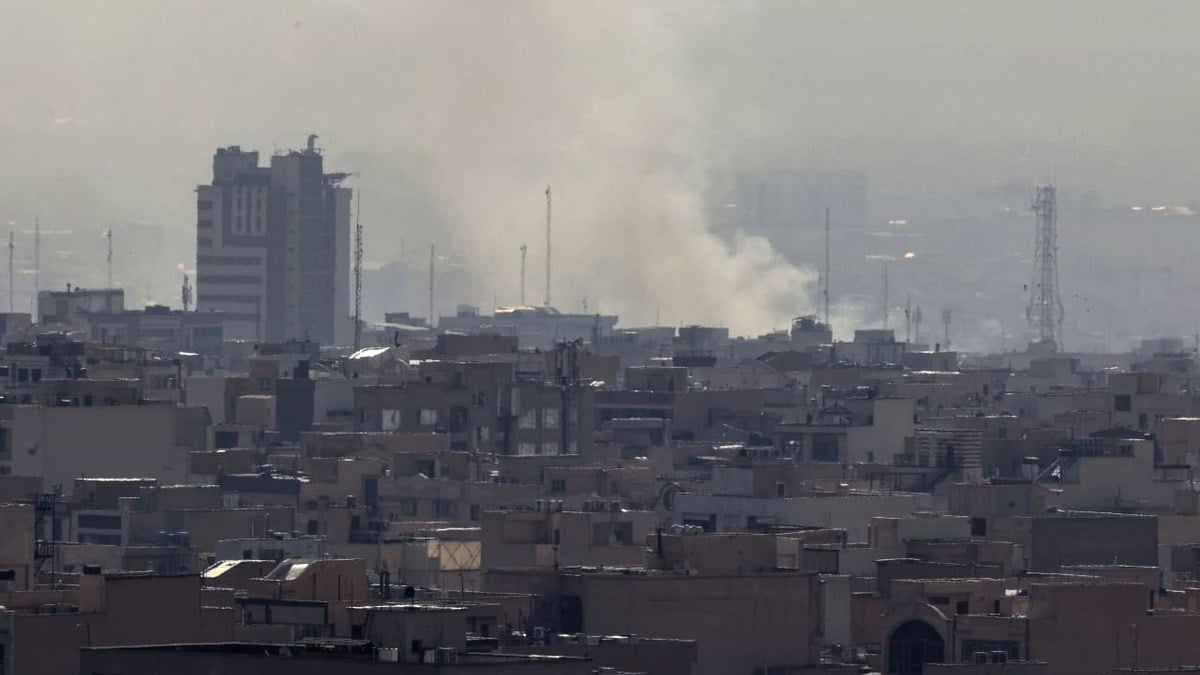
The 30-Second Skim7 points
- What happenedU.S. and Israeli forces struck Iran on Saturday, with President Trump announcing that Supreme Leader Ayatollah Ali Khamenei was killed and vowing continued bombing, as analysts warned the campaign could go beyond the brief June 2025 nuclear-site operation and target regime change, rattling oil and equity markets.
- Key facts & numbersPresident Trump announced on Saturday that Iranian Supreme Leader Ayatollah Ali Khamenei was killed in coordinated U.S.-Israel strikes and pledged that bombing would continue "uninterrupted throughout the week or as long as necessary" to achieve "PEACE THROUGHOUT THE MIDDLE EAST." The new campaign follows a brief June 2025 operation against Tehran's nuclear sites, but analysts at Monachil Capital Partners and Oxford Analytica said this round appears aimed at regime change rather than limited nuclear deterrence. Iran reportedly threatened to limit passage through the Strait of Hormuz, the waterway connecting the Persian Gulf to the Gulf of Oman and Arabian Sea that handles a major share of global oil shipments.
- What happens nextJune 2025 playbook is dead — analysts say this is regime change, not another limited nuclear strike. Watch Hormuz next 48h.
- President Trump announced on Saturday that Iranian Supreme Leader Ayatollah Ali Khamenei was killed in coordinated U.S.-Israel strikes and pledged that bombing would continue "uninterrupted throughout the week or as long as necessary" to achieve "PEACE THROUGHOUT THE MIDDLE EAST."
- The new campaign follows a brief June 2025 operation against Tehran's nuclear sites, but analysts at Monachil Capital Partners and Oxford Analytica said this round appears aimed at regime change rather than limited nuclear deterrence.
- Iran reportedly threatened to limit passage through the Strait of Hormuz, the waterway connecting the Persian Gulf to the Gulf of Oman and Arabian Sea that handles a major share of global oil shipments.
- Brent crude could surge past $100 a barrel from near $73 on Friday, according to Barclays analysts, citing risks of a "spiraling security situation" and Middle East supply disruptions.
Why It Matters
Investors pricing in a replay of the contained June 2025 operation now face an explicitly regime-change-oriented campaign that puts Iran's oil infrastructure and the Strait of Hormuz directly in play. With Brent already near $73 and Barclays flagging a path to $100, energy costs, equities, and safe-haven assets all face repricing depending on whether Iran retaliates by disrupting Gulf shipping in the next 24 to 48 hours.
Sources Cited
Related Coverage
Ask SkimNews
The day’s news in one short email, every morning.
Free. One email a day. Unsubscribe in one click.